Vegan Vegetable Frittata

Vegan Frittata

Who says that you can’t make egg-free frittata?

But honestly, if you asked me a year ago if I could make frittata without eggs, I would have said, ‘hell, no!’

Vegan Frittata

Frittata, by definition, is an omelette – specifically an Italian-style omelette filled with various ingredients. And as we all know, you need eggs to make omelette.

Or do you?

Vegan Frittata

Fast forward to the present day. I’ve learned that you can make egg-free omelette. And since you can make egg-free omelette, you can make egg-free frittata. Hallelujah.

Vegan Frittata

To make a vegan frittata you need to use chickpea flour, vegetable starch (I use arrowroot powder but you can also use corn starch or potato starch), nutritional yeast, onion, garlic and mustard powder. All of these ingredients are very important for both texture and flavours so don’t skimp or omit any of them. The recipe yields a texture similar to that the normal frittata, but slightly softer and tender, somewhat like scrambled eggs (without the eggs, of course).

Vegan Frittata

Why I love it: 

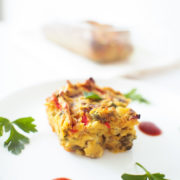
It really reminds me of egg frittata! I served mine with Sriracha sauce (I’m a bit of a Sriracha addict) and garnished it with some fresh parsley leaves. The leaves add freshness to the dish, and also make the frittata look pretty and stylish on the plate. It didn’t take long before I made a huge mess of the plate, though.

This vegan vegetable frittata recipe uses no oil apart from greasing the baking dish so it’s perfect for those who are looking to eating more whole foods as part of a plant-based diet. It is full of protein so it’s just like eating real frittata (minus the cholesterol and saturated fat)

Vegan Frittata


Vegan Frittata
Recipe Type: Breakfast
Author: Keren
Prep time:
Cook time:
Total time:
Serves: 4-6
Ingredients
  • Omelette batter
  • 1 cup chickpea flour
  • 1 Tbsp arrowroot powder (or cornstarch)
  • 3 Tbsp nutritional yeast
  • 1/2 tsp salt
  • 1/2 tsp mustard powder, garlic powder
  • 1/2 tsp baking powder
  • 2 ½ cup vegetable stock
  • Fillings
  • 2 cups of chopped vegetables – I use:
  • ¼ cup chopped spring beans
  • ¼ cup diced red capsicum
  • ½ cup chopped asparagus
  • 1 cup shredded kale
  • Seasoning
  • ½ large red onion
  • 3 garlic cloves
  • A pinch of black salt or Kala Namak (optional but highly recommended)
  • Freshly ground pepper
  • [url href=”https://www.passionatelykeren.com.au/make-vegan-parmesan/” target=”_blank”]Vegan parmesan[/url]
Instructions
Cuisine Companion Method
  1. Preheat oven to 180 degrees C.
  2. Chop red onion and garlic cloves using superblade on speed 8 for 20 sec. Transfer into a plate, rinse the bowl and blade and wipe dry.
  3. Add all the dry chickpea batter ingredients into the bowl. Mix for 5 seconds on speed 8.
  4. Add the vegetable stock and cook using speed 5 at 100 C for 5 minutes
  5. The mixture should be thick.
  6. Add the chopped veggies to the batter. Mix at speed 8 for 10 -15 seconds until mixed through
  7. Transfer batter onto greased pyrex pan. Even it out with spatula.
  8. Bake for 25 minutes and then cover with aluminium foil and bake for another 25 minutes or until the centre is not jiggly and the edges are lightly brown. Depending on the type of your vegetables you use you might need more or less time for the batter to cook. Just prick the centre with a fork to test done-ness.
  9. Stand for 10-15 minutes to set.
  10. Sprinkle with a bit of black salt for an eggy flavour boost.
  11. Serve warm with some freshly ground pepper, [url href=”https://www.passionatelykeren.com.au/make-vegan-parmesan/” target=”_blank”]vegan parmesan[/url], and your favourite hot sauce.
Manual Method
  1. Preheat oven to 180 C.
  2. Heat oil in a pan over medium heat, cook onion and garlic until fragrant, about 3 minutes.
  3. Add vegetable stock. Bring to a boil.
  4. Add the chickpea flour, arrowroot powder and the remaining dry ingredients
  5. Cook for about 5 minutes until the mixture becomes thick. Stir in the chopped veggies and mix.
  6. Transfer batter onto greased Pyrex pan and flatten the surface with spatula.
  7. Bake for 25 minutes.
  8. Cover with aluminium foil and bake for another 25 minutes or until the center is not jiggly and the edges are lightly brown. Depending on the type of your vegetables you use you might need more or less time for the batter to cook.
  9. Prick the centre with a fork to test done-ness. Stand for 10-15 minutes to set.
  10. Serve warm with some freshly ground pepper, [url href=”https://www.passionatelykeren.com.au/make-vegan-parmesan/” target=”_blank”]vegan parmesan[/url], a sprinkle of black salt and your favourite hot sauce.
Notes
Freeze leftovers for up to 4 weeks.[br]Sprinkle with some black salt before serving for an ‘eggy boost’.

Did you make this recipe?

Please let me know how it turned out for you! Leave a comment below and/or share a picture and tag me @passionatelykeren on Instagram .

Love and greens,

Keren

The Secret Ingredient For Health And Weight Loss

Green Nutrition News 8 Aug

What if I told you that I had a secret food ingredient that is guaranteed to help you feel full for hours, aids in digestion, reduces your risk of diabetes, heart disease, cancer and high cholesterol, helps flush fat out of your system, adds texture to food, keeps you regular, and has ZERO calories? Would you want to get some of this? What would you be willing to pay for this magic supplement?

As it turns out, not only does this fantastic food component exist abundantly in nature, it costs you virtually NOTHING! So what is the big F-word for health and weight loss? The answer is simple: fibre (or, if you’re in the US, fiber).

According to research published in The Journal of Nutrition the ‘secret’, proven way to prevent weight gain or even encourage weight loss without dieting is, of course, to consume more fibre.

As reported in a recent ‘Eating Well’ article, researchers at Brigham Young University in Utah followed the eating habits of 252 middle-aged women for nearly two years and found that those who increased their fibre intake generally lost weight. Women who decreased the fibre in their diets gained weight.

The research scientists found that increasing fibre by 8 grams for every 1,000 calories consumed resulted in losing about 4½ pounds (2kg) over the course of the study.

While it helps you feel full, “fibre has no calories,” says Larry Tucker, Ph.D., lead researcher and professor in the Department of Exercise Sciences at Brigham Young.

Plantbased for weightloss

How much fibre should you eat?

The USDA recommends 14 grams of fibre for every 1,000 calories consumed by healthy adults. So a person eating 2,000 calories a day should aim to get at least 28 grams (or more) of fibre daily.

Most Australians do not consume enough fibre. On average, most Australians consume 20–25g of fibre daily, whereas the Australian Heart Foundation recommends that adults should aim to consume approximately 25–30g daily.

You could easily meet or exceed the recommended amount of daily fibre by eating the following healthy plant foods over the course of a day:

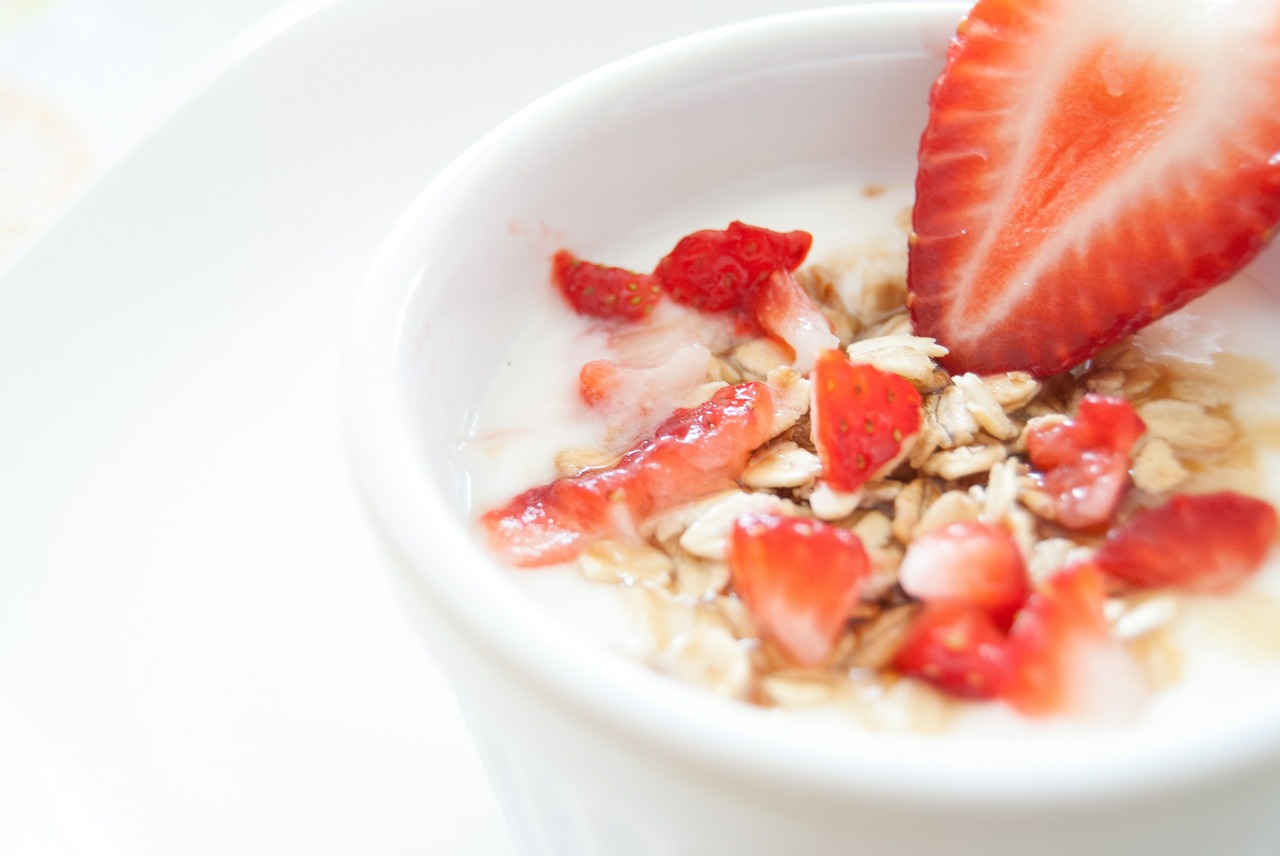
  • ½ cup oatmeal (3 grams fibre)
  • 1 small banana (3 grams)
  • ½ cup cooked red or black beans (7 grams)
  • 1 small apple (5 grams)
  • ½ cup lentils (8 grams)
  • and ½ cup blueberries (3 grams)

strawberries-498207_1280


Dangers of a low-fibre diet

Reducing the amount of fibre-rich, whole plant foods in your diet is dangerous to your health. Disorders that can arise from a low-fibre diet include:

  • Constipation
  • Irritable bowel syndrome
  • Diverticulitis
  • Haemorrhoids
  • Heart disease
  • Bowel cancer

Note that animal products have no fibre at all, so the more meat, dairy and eggs you consume, the less room in your diet for this important food component.

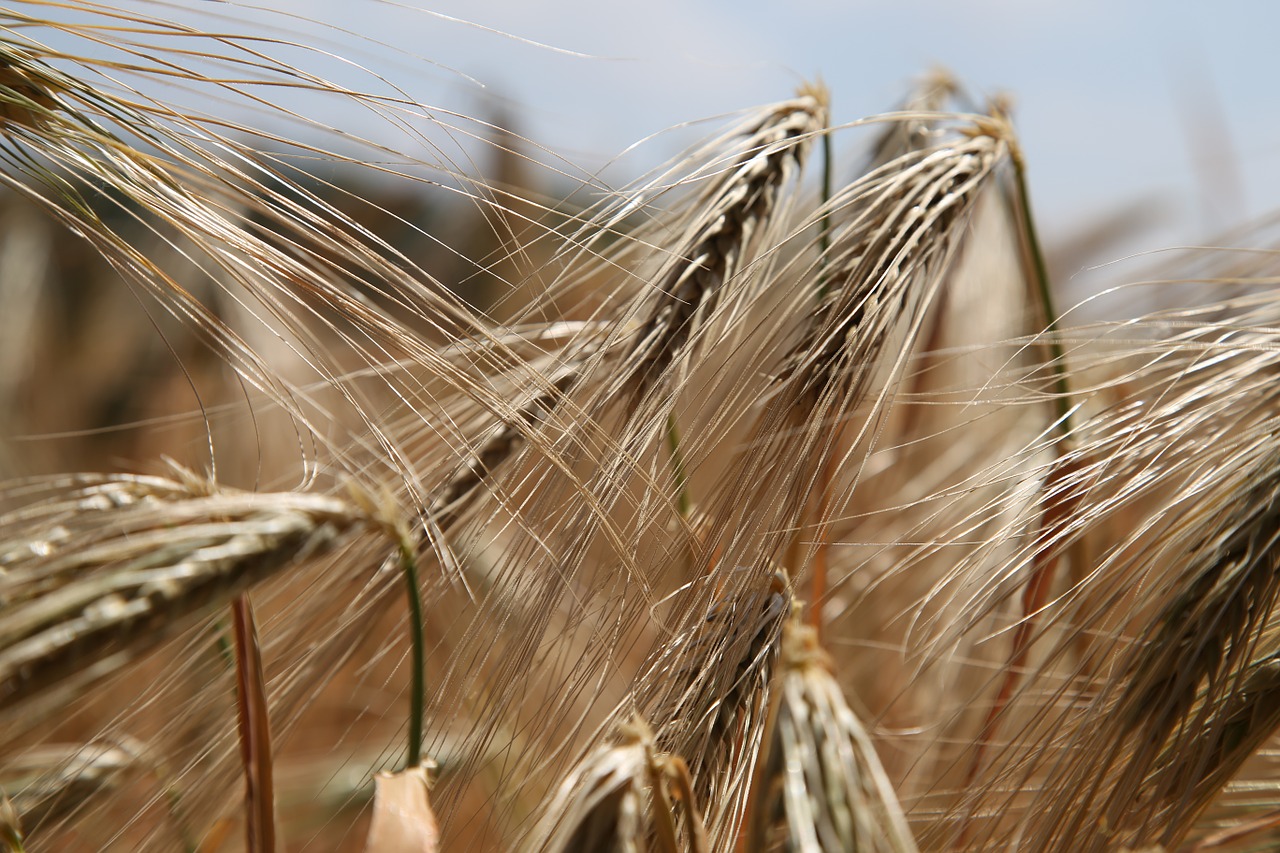
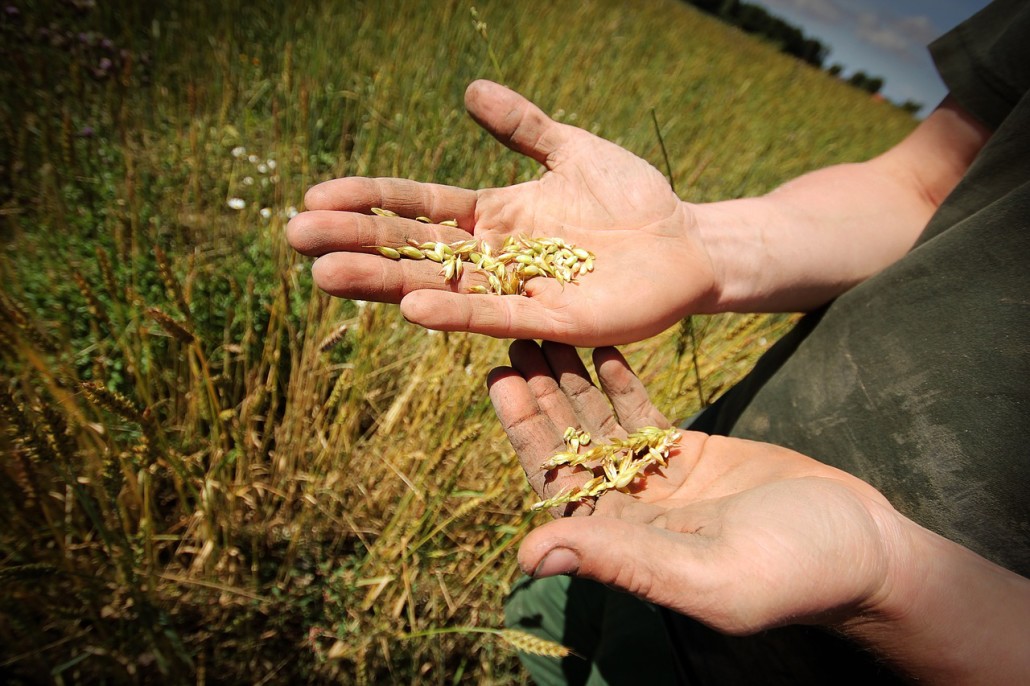
wheat-809441_1280

What is dietary fibre?

Dietary fibre is a type of complex carbohydrate made up of the indigestible parts or compounds of plants, which pass relatively unchanged through our stomach and intestines. Other terms for dietary fibre include ‘bulk’ and ‘roughage’, which can be misleading since some forms of fibre are water-soluble and aren’t bulky or rough at all.

Unlike other food components such as fats, proteins or carbohydrates that your body breaks down and absorbs, your body doesn’t digest fibre. Rather, fibre passes relatively intact through your stomach, small intestine, and colon, and out of your body.

Types of fibre

There are two categories of fibre, commonly classified as soluble (dissolves in water) or insoluble (doesn’t dissolve), and we need to eat both in our daily diets. They are:

  • Soluble fibre – includes pectins, gums and mucilage, which are found mainly in plant cells. This type of fibre dissolves in water to form a gel-like material. One of its major roles is to lower LDL (bad) cholesterol levels. Good sources of soluble fibre include fruits, vegetables, oat bran, barley, seed husks, flaxseed, psyllium, dried beans, citrus fruits, carrots, barley, lentils, peas, and soy products.
  • Insoluble fibre – includes cellulose, hemicelluloses and lignin, which make up the structural parts of plant cell walls. A major role of insoluble fibre is to add bulk to faeces and to prevent constipation and associated problems such as haemorrhoids. This type of fibre promotes the movement of waste material through your digestive system and increases stool bulk, which helps with constipation. Good sources include wheat bran, corn bran, rice bran, the skins of fruits and vegetables, nuts, seeds, dried beans and whole-grain foods.

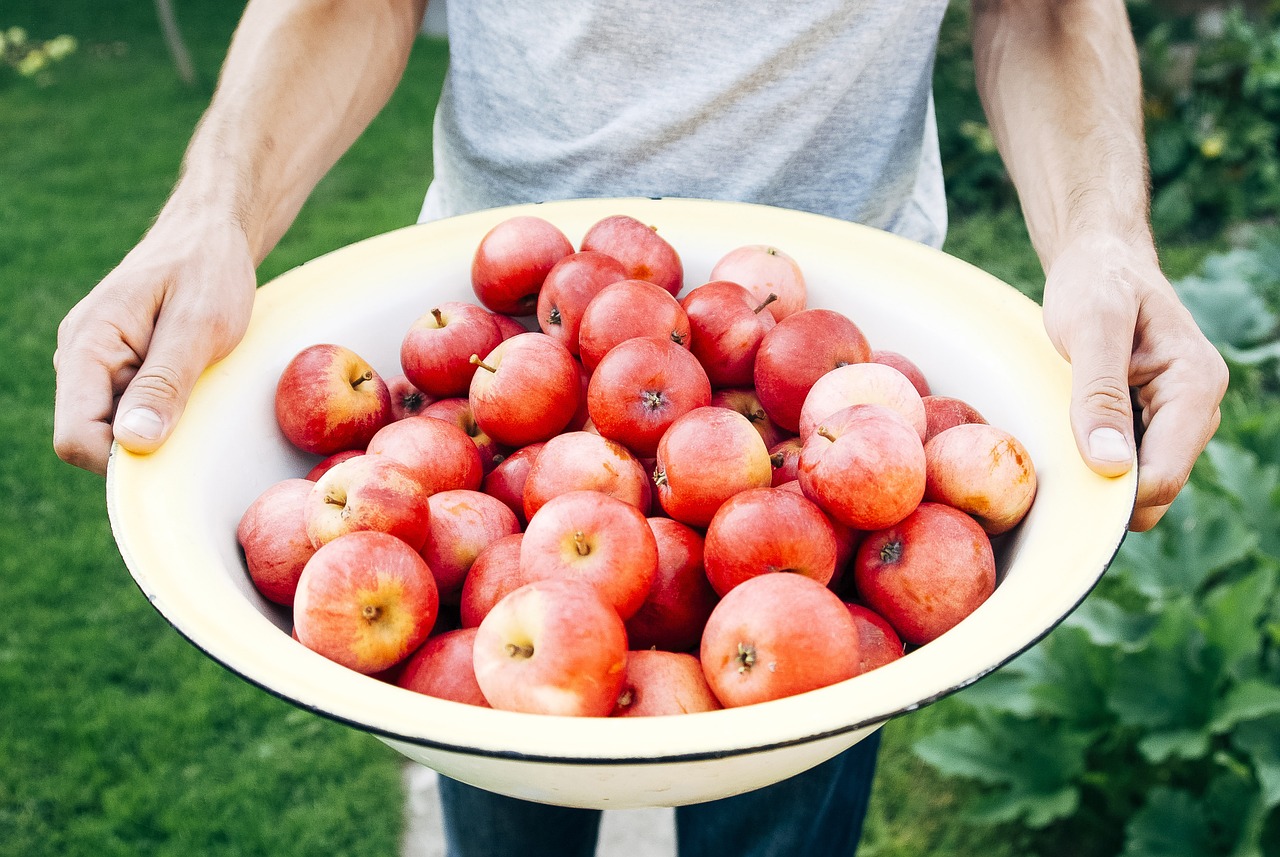
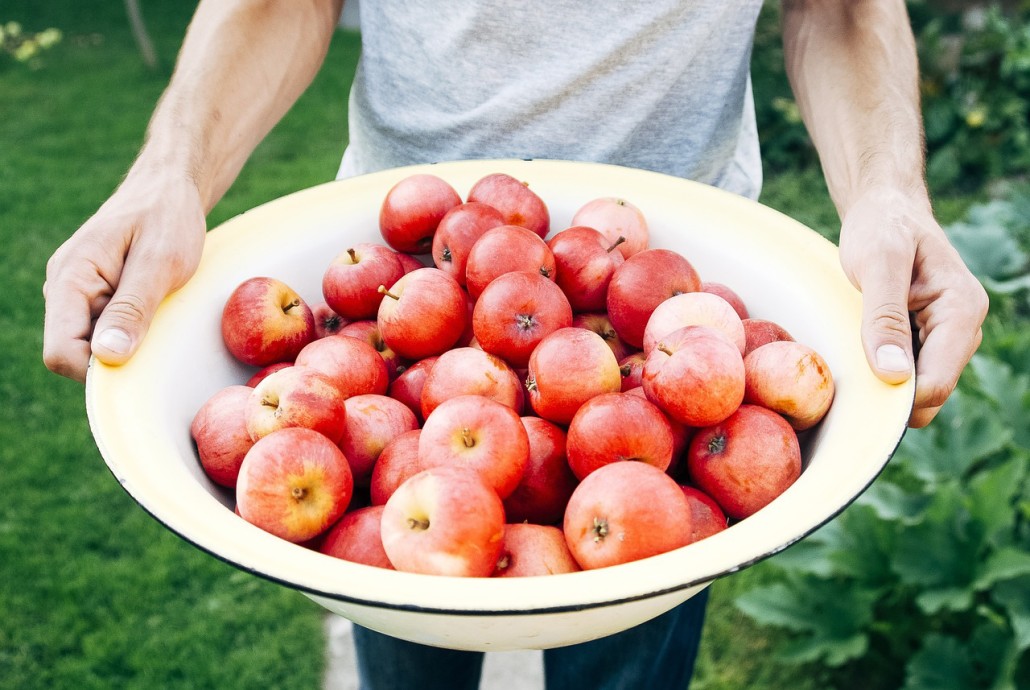
organic apples

Health benefits of fibre

Both types of fibre are beneficial to the body and most plant foods contain a mixture of both types – soluble and insoluble fibre. However, the amount of each type varies in different plant foods. To receive the greatest health benefit, eat a wide variety of high-fibre (whole plant-based) foods.

Individuals with high intakes of dietary fibre appear to be at significantly lower risk for developing coronary heart disease, stroke, hypertension, diabetes, obesity, and certain gastrointestinal diseases. Increasing fibre intake lowers blood pressure and serum cholesterol levels. Increased intake of soluble fibre improves glycaemia and insulin sensitivity in non-diabetic and diabetic individuals.

Why fibre is important for healthy weight loss

  • High-fibre foods require more chewing time, which gives your body time to register when you’re no longer hungry, so you’re less likely to overeat.
  • A high-fibre diet tends to make meals feel larger and linger longer, so you stay full for a greater amount of time.
  • High-fibre diets also tend to be less “energy dense,” which means they have fewer calories for the same volume of food.

Your best food choices for fibre

Your best choices for fibre are healthy whole plant foods. These include:

  • Whole-grain foods
  • Fruits
  • Vegetables
  • Beans, peas and other legumes
  • Nuts and seeds

Remember, fibre is only found in abundance in relatively unprocessed, whole plant foods. Refined or processed foods such as canned fruits and vegetables, pulp-free juices, white breads and pastas, and non-whole-grain cereals are lower in fibre. The grain-refining process removes the outer coat (bran) from the grain, which lowers its fibre content, as does removing the skin from fruits and vegetables.

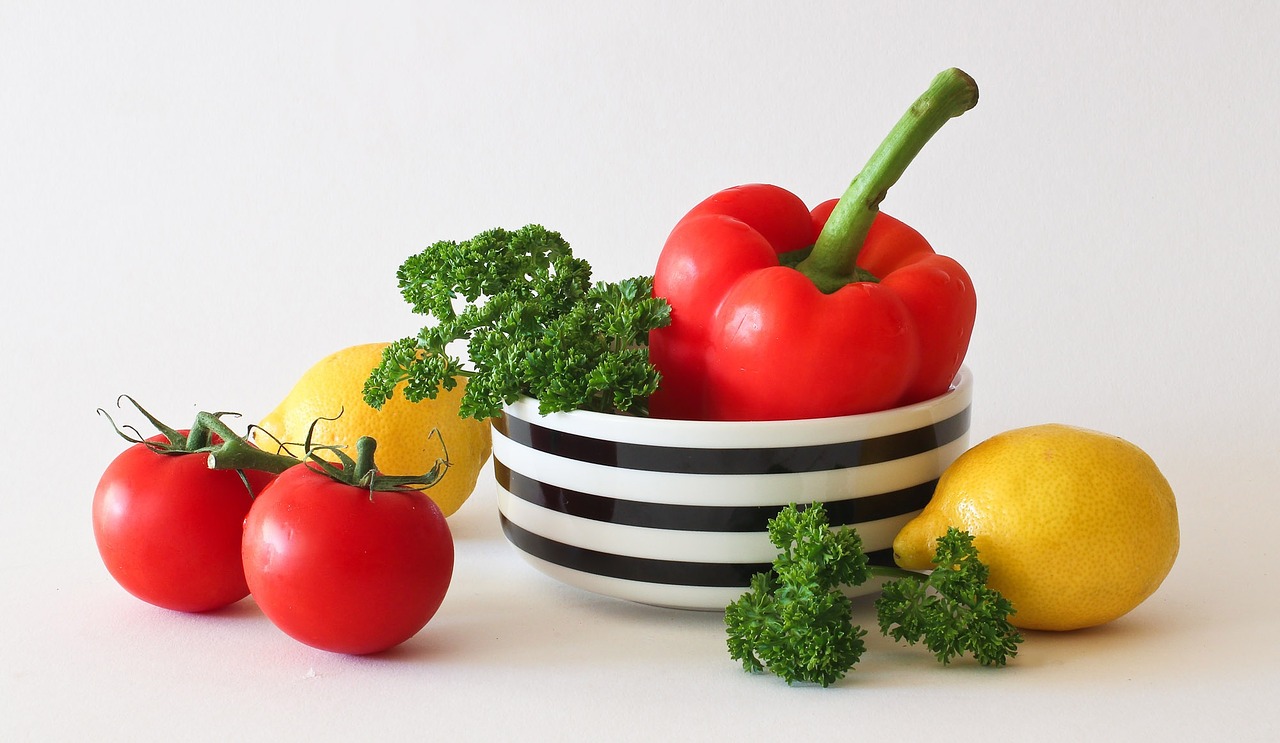
vegetables-760860_1280

6 Ways To Fit Fibre Into Your Food

  1. Bulk-up at breakfast. For breakfast choose a high-fibre breakfast cereal such as rolled oats or a whole-grain cereal. Or try baked beans on whole wheat toast
  2. Have the whole grain. Choose breads that list whole wheat, whole-wheat flour or another whole grain as the first ingredient on the label. Have brown rice, wild rice, barley, whole-wheat pasta and bulgur, instead of white rice and pasta.
  3. Vegify your mealsAdd fresh or frozen vegetables to soups and sauces. For example, mix chopped frozen broccoli into prepared spaghetti sauce or toss fresh baby carrots into stews.
  4. Love your legumesLentils, beans, and peas excellent sources of fibre. Use lentils and beans in curries, stews, salads, Mexican dishes and soups.
  5. Go fruityApples, bananas, oranges, pears and berries are all good sources of fibre.
  6. Plant-power snacks. Instead of cookies, cake or chocolate, snack on fresh fruits, raw vegetables, low-fat popcorn and whole-grain crackers. An occasional handful of nuts or dried fruits also is a healthy, high-fibre snack, although be aware that nuts and dried fruits are high in calories.

High-fibre foods are not only important to assist and sustain weight loss, but they’re good for your health. Be careful adding too much fibre to your meals at once, however, as this can lead to intestinal gas, abdominal bloating and cramping. Gradually increase your dietary fibre over a period of a few weeks. This allows the natural bacteria in your digestive system to adjust to the change.

Finally, drink plenty of water. Fibre works best when it absorbs water, making your stool soft and bulky.

Where Do You Get Your Fibre

Information sources:

Tom Perry

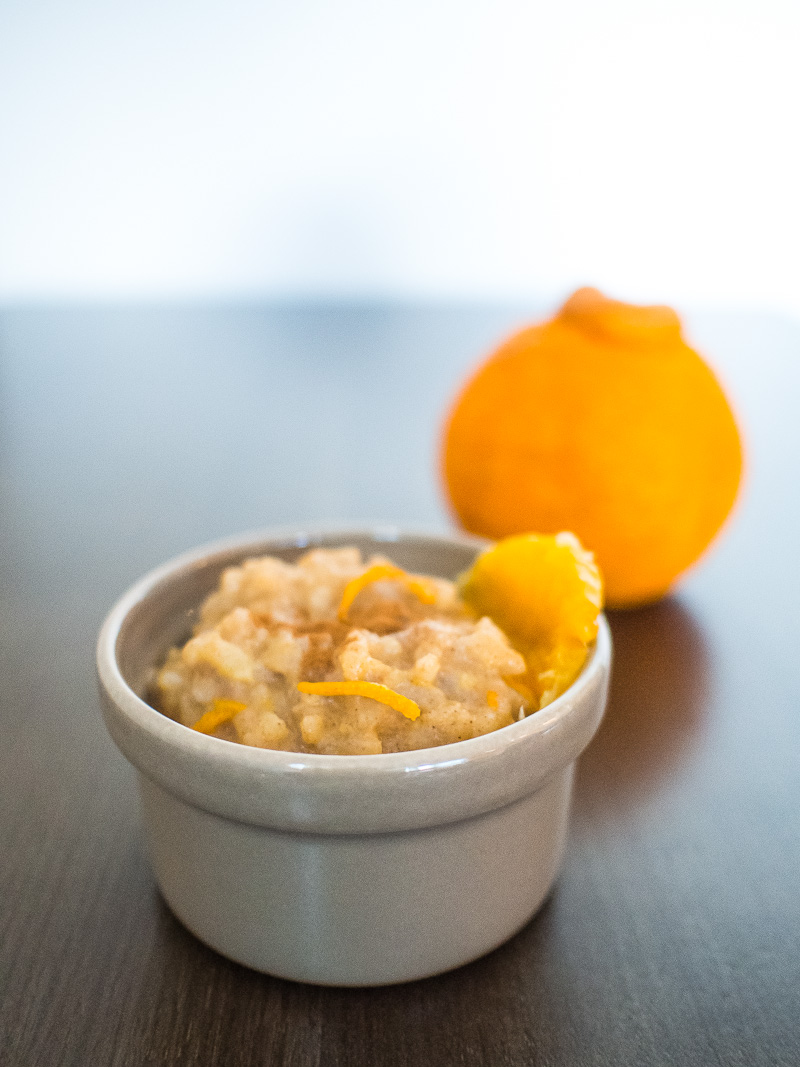
Sumo Citrus Spiced Rice Pudding (vegan and sugar-free)

Sumo Citrus Rice Pudding-2

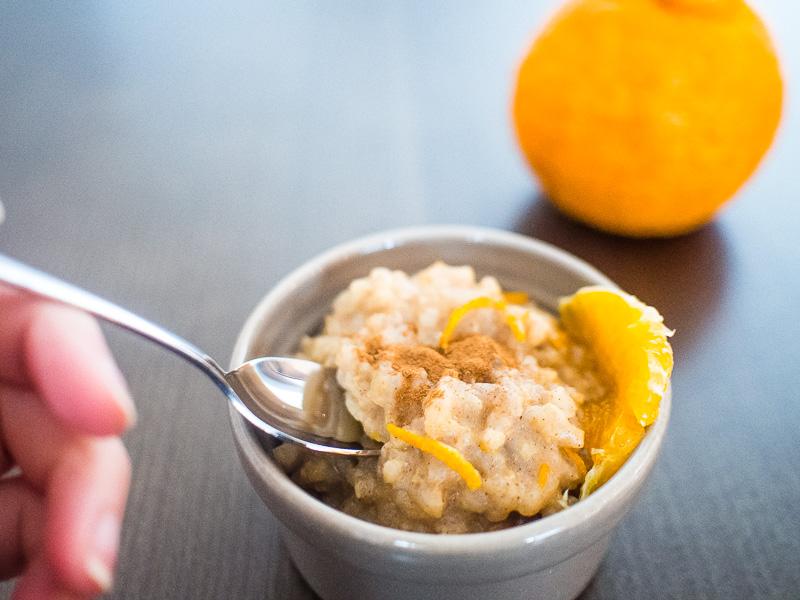
This weekend I whipped up a super easy, super delicious and nutritious recipe and entered it into a competition. It’s my healthy, refined sugar-free and dairy-free take on the normal rice pudding. It is very simple and easy to make. Just need to cook your rice in a pan, make your smoothie and then stir your smoothie into the rice. Let it simmer until thick and creamy and voila! You have your rice pudding. Serve with a sprinkle of ground cinnamon and tell your partner it was such a hard work. It may score you a shoulder massage or two :P.

Why I love it:

What I love about most about this rice pudding is the fact that it’s rich and creamy but also light and refreshing at the same time. It has a gentle citrus tang and it smells like Christmas morning.

Made using walnut citrus smoothie it contains lot’s of omega-3 from walnut (great for the brain) and the goodness of one whole orange which is rich in fibre and Vitamin C and is a good source of minerals such as Thiamin, Folate and Potassium.

Sumo Citrus Rice Pudding-3

Make this. I promise you will love it.


Sumo Citrus Spiced Rice Pudding
Recipe Type: Dessert
Author: Keren
Prep time:
Cook time:
Total time:
Serves: 4
Creamy, nutty and fragrant rice pudding that is mildly sweet, citrusy and every bit delicious. It’s a rich and decadent dessert, easy to make, dairyfree and refined-sugar free.
Ingredients
  • 1 large Sumo Citrus
  • 1 cup arborio rice
  • a pinch of salt
  • 2 cups of filtered water
  • Walnut Sumo Citrus Smoothie
  • Sumo Citrus flesh
  • 2 cups of filtered water
  • ½ cup of walnut
  • ½ cup rice malt syrup
  • ½ tsp allspice powder
  • 2 tsp vanilla extract
  • 1 tsp ground cinnamon
Instructions
  1. Grate the zest of Sumo Citrus. Set aside. Remove the flesh for smoothie and reserve 2 strips of peel.
  2. Make Walnut Sumo Citrus Smoothie: In a blender, add all the smoothie ingredients. Blend for 1-2 minutes until smooth. Set aside.
  3. Combine 2 strips orange peel, 2 cups water, a pinch of salt in a heavy-based saucepan and bring to a boil.
  4. Add the rice and return to a boil, then reduce the heat to simmer and cook, stirring occasionally, until the liquid is absorbed, about 10-15 minutes.
  5. While the rice is cooking, slowly add the smoothie. Simmer over medium-low heat, stirring, until the liquid is mostly absorbed, about 15-20 minutes.
  6. Remove the peel and stir in zest. Serve immediately with a sprinkle of ground cinnamon.

If you want to help me win the competition, you can vote up my recipe and get me in the top 5. Let me know if you voted in the comment section so I can personally thank you. Thank you!

Vote For Little Green Habits!

Did you make this recipe?

Please let me know how it turned out for you! Leave a comment below and/or share a picture on Instagram with the hashtag #littlegreenhabits.

Love and greens, 

Keren x

Beating Temptation, Diverticulosis, Grains, Gluten and Obesity

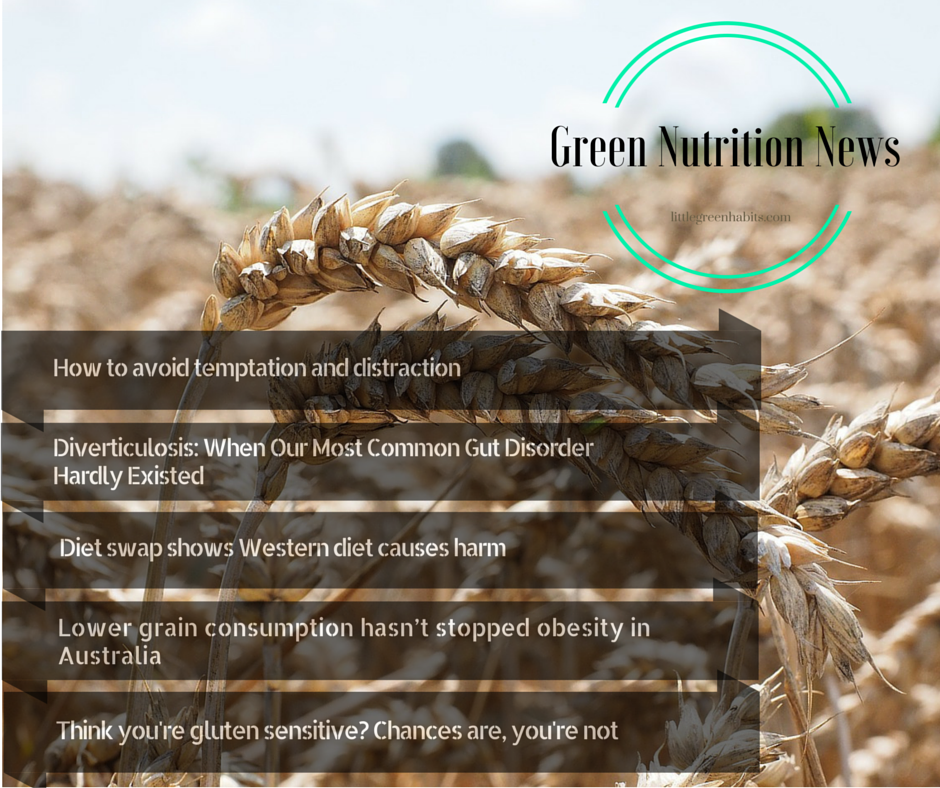
This week my top 5 nutrition news items includes an article by James Clear about the health-promoting power of saying “I don’t”; the prevalence of and preventative measures against diverticulosis; a diet swap which highlights the dangers of the Western diet; how dramatically lower grain consumption in Australia hasn’t stopped obesity, and the misconceptions around gluten-intolerance and the supposed health benefits of gluten-free foods.
Green Nutrition News Aug

How to avoid temptation and distraction

So, you want to give up or reduce your consumption of meat, dairy, eggs, sweets or junk food? Or perhaps you want to start working out regularly, drop a dress size (or two!), or just start eating healthier? What mindset and motivational words help you the most?

In this article by author and motivational expert James Clear, the very words we use when we set out on a quest to eat healthier or exercise more make a difference. Maybe a big difference! As James says, saying ‘no’ to unnecessary commitments and daily distractions can help you to focus and recover, while saying ‘no’ to temptation can help you stay on track and achieve your health goals.

In one study, a group of students were split into two. One group was told that when faced with temptation, they would say “I can’t do X”, while the other group was told they would say “I don’t do X”. When offered the choice between a chocolate bar or a granola health bar, 61% of the “I can’t do X” students chose the chocolate bar, while only 36% of the “I don’t do X” went for the chocolate.

The same researchers formed a group of 30 women for another study, that were split into 3 groups of 10, and told to think of a long–term health and wellness goal that was important to them. If they felt tempted to lapse on their goals, the first group was told: “just say no”; the second group was told “I can’t…miss my workout today” (for example), and the third group was told to implement the ‘don’t’ strategy, such as “I don’t miss workouts”.

After 10 days of implementing these strategies to meet their health goals, the women reported their findings:

  • Group 1 (the “just say no” group) had3 out of 10 members who persisted with their goals for the entire 10 days.
  • Group 2 (the “can’t” group) had1 out of 10 members who persisted with her goal for the entire 10 days.
  • Group 3 (the “don’t” group) had an incredible8 out of 10 members who persisted with their goals for the entire 10 days.

Why “I don’t” works better than “I can’t”

As James explains, “every time you tell yourself “I can’t”, you’re creating a feedback loop that is a reminder of your limitations. This terminology indicates that you’re forcing yourself to do something you don’t want to do.”

However, adds James, “when you tell yourself “I don’t”, you’re creating a feedback loop that reminds you of your control and power over the situation. It’s a phrase that can propel you towards breaking your bad habits and following your good ones.”

According to Heidi Grant Halvorson, the director of the Motivation Science Center at Columbia University, “I don’t” is experienced as a choice, so it feels empowering. It’s an affirmation of your determination and willpower. “I can’t” isn’t a choice. It’s a restriction, it’s being imposed upon you. So thinking “I can’t” undermines your sense of power and personal agency”.

So next time you’re offered food you know you shouldn’t eat, or you think of avoiding exercise, just try saying: “I don’t eat that” or “I don’t skip workouts”, and let us know how it works for you!

Diverticulosis: When Our Most Common Gut Disorder Hardly Existed

medical

Dr Michael Greger from Nutrition Facts presents information about diverticulosis, a condition that occurs when abnormal pouches form in the wall of the colon (large intestine). When these pouches become inflamed and infected the diagnosis becomes diverticulitis, and both conditions come under the heading ‘Diverticular Disease’.

According to the State of Victoria, Australia, government’s Better Health Channel, “diverticulitis is often a medical emergency, requiring immediate medical attention and, frequently, admission to hospital. Mild attacks can be treated at home, but should always be assessed promptly”.

How common is Diverticulosis?

More than two-thirds of Americans over age 60 have diverticulosis and in Australia more than half of people aged over 70 have the condition, but it is less common in Asia, and almost unknown in Africa. According to Dr Greger, Diverticular Disease is our most common gut disorder, affecting up to 70% of people living in industrialized countries by age 60.

How can we prevent Diverticulosis?

More than a hundred years ago, in early 1900’s America, Diverticular Disease was virtually unknown, with only a total of 25 cases reported in 1907. Within a single lifespan of about 70 years, the disease was rampant.

In 1971, surgeons Neil Painter and Denis Burkitt suggested that Diverticular Disease was a deficiency disease, caused by a deficiency of fibre. It has been found that more than 50% of African Americans in their 50s have Diverticular Disease, but only less than 1% of Africans, eating a traditional plant-based diet, have the disease (that equates to 2 cases out of 4,000).

Does Fibre really protect against Diverticulosis?

In his second video in this series, Dr Greger explains how one widely-reported study from the University of North Carolina, which claimed to show that fibre didn’t prevent diverticulosis, failed to highlight the fact the study group eating the ‘higher fibre’ diet were still well under the minimum recommendations for fibre intake (about 32 grams a day). This renders the study findings useless, as it only compared one fibre-deficient diet (25 grams a day) to another fibre-deficient diet (8 grams a day).

By contrast, populations in rural Uganda, where they essentially have no diverticulosis, regularly consume ‘large plates of leafy vegetables’, with a fibre intake of 70-90 grams of fibre a day; 3-4 times more than consumed in North America and most other western countries.

In a recent study of 47,000 people, it was confirmed: “consuming a vegetarian diet and a high intake of dietary fibre were both associated with a lower risk of both hospitalization and death from diverticular disease”….and the group with the lowest risk (78% lower risk) of diverticular disease? Yes, you guessed it, the fully plant-based vegans!

Diet swap shows Western diet causes harm
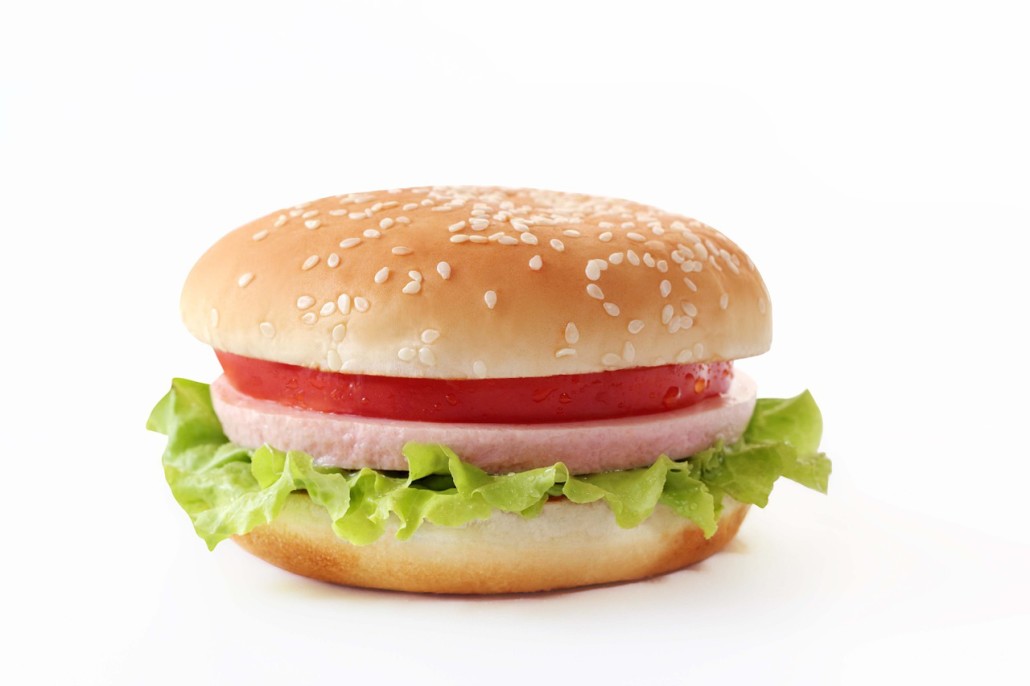
burger

In a recent study reported in the Brisbane Times, researchers from the University of Pittsburgh asked 20 Americans to swap their diet with 20 Africans for 2 weeks.

The Americans were fed a typical African diet including beans and pulses, high in fibre and low in fat. By contrast the Africans consumed a high-fat, low-fibre western-style diet, with plenty of burgers and fries.

While you don’t have to be Einstein to guess which diet was healthier, what was surprising was the speed the subject’s bodies responded to their dietary changes, with the low-fat African diet significantly reducing bio-markers of colon cancer risk.

In just two weeks, a change in diet from a Westernised composition to a traditional African high-fibre, low-fat diet reduced these biomarkers of cancer risk, indicating that it is likely never too late to modify the risk of colon cancer,” lead researcher Dr Stephen O’Keefe was quoted as saying.

As a result of the study, researchers estimate that up to one third of bowel cancer cases could be avoided by improving your diet.

Fibre is not just fantastic for your bowels. Another new study found that eating more fibre is one simple way to lose weight and improve your overall health.

By changing one thing, people in the fibre group were able to improve their diet and lose weight and improve their overall markers for metabolic syndrome,” said the study’s lead author.

Lower grain consumption hasn’t stopped obesity in Australia
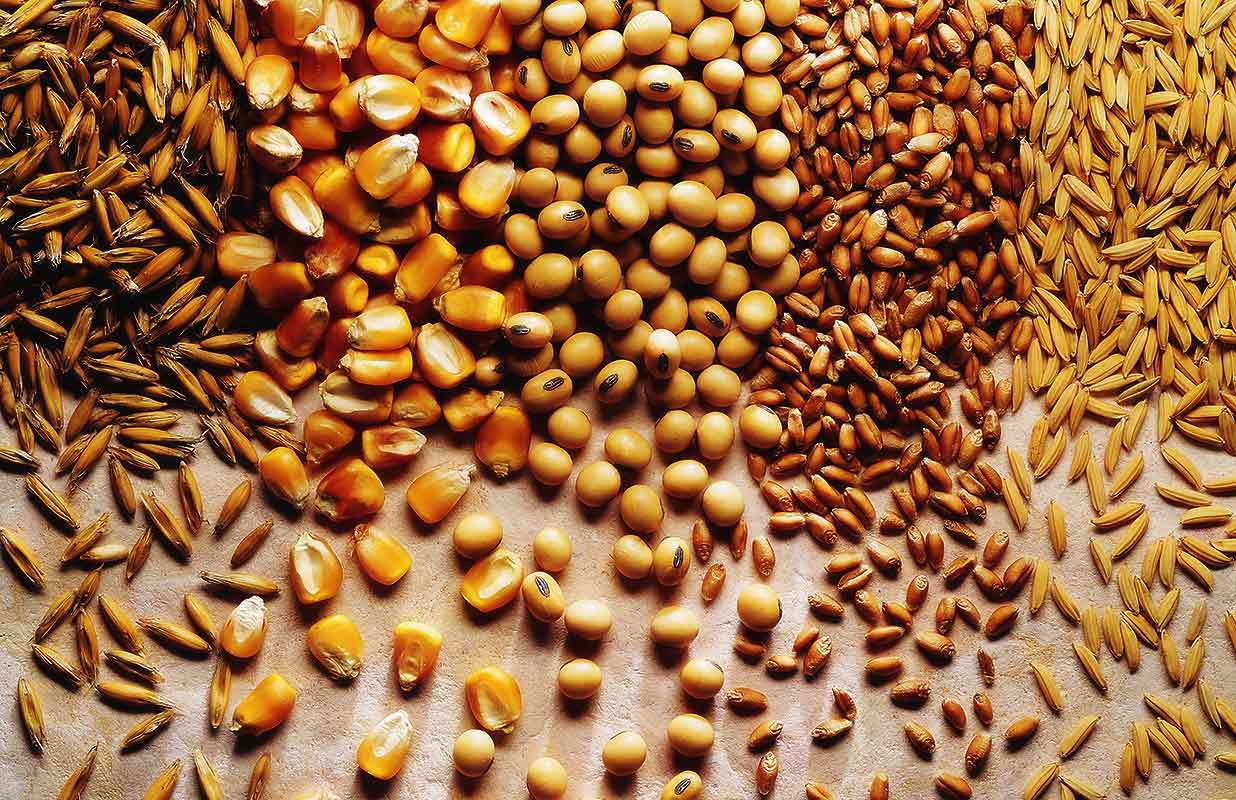
grains

In just 3 years from 2011 to 2014, Australia’s core grain consumption reportedly dropped by a whopping 30%. It is thought that fad diets such as Paleo and Gluten-Free have contributed to this rapid decline in grain consumption.

According to dietician and general manager of Australia’s Grains and Legumes Nutrition Council, Michelle Broom, people, and women in particular, were missing out on important nutrients.

Core grains provide fibre, iron and folate,” said Ms Broom, while the rate of gluten allergies and coeliac disease is constant at 1 to 2 per cent of the population.

Sarah Hyland, who is researching consumer attitudes to food and nutrition, was quoted in the report: “There is an increase in obesity rates amongst everybody in the last seven years, which is ironic, because we’re eating less grain, but getting fatter.”

Little Green Habits tip: go for the ‘whole’ grain, with less or minimal processing, such as rolled oats, or wholemeal pasta. White flour and white flour products have most of the fibre and nutrients of the original grain stripped out of them.

Think you’re gluten sensitive? Chances are, you’re not
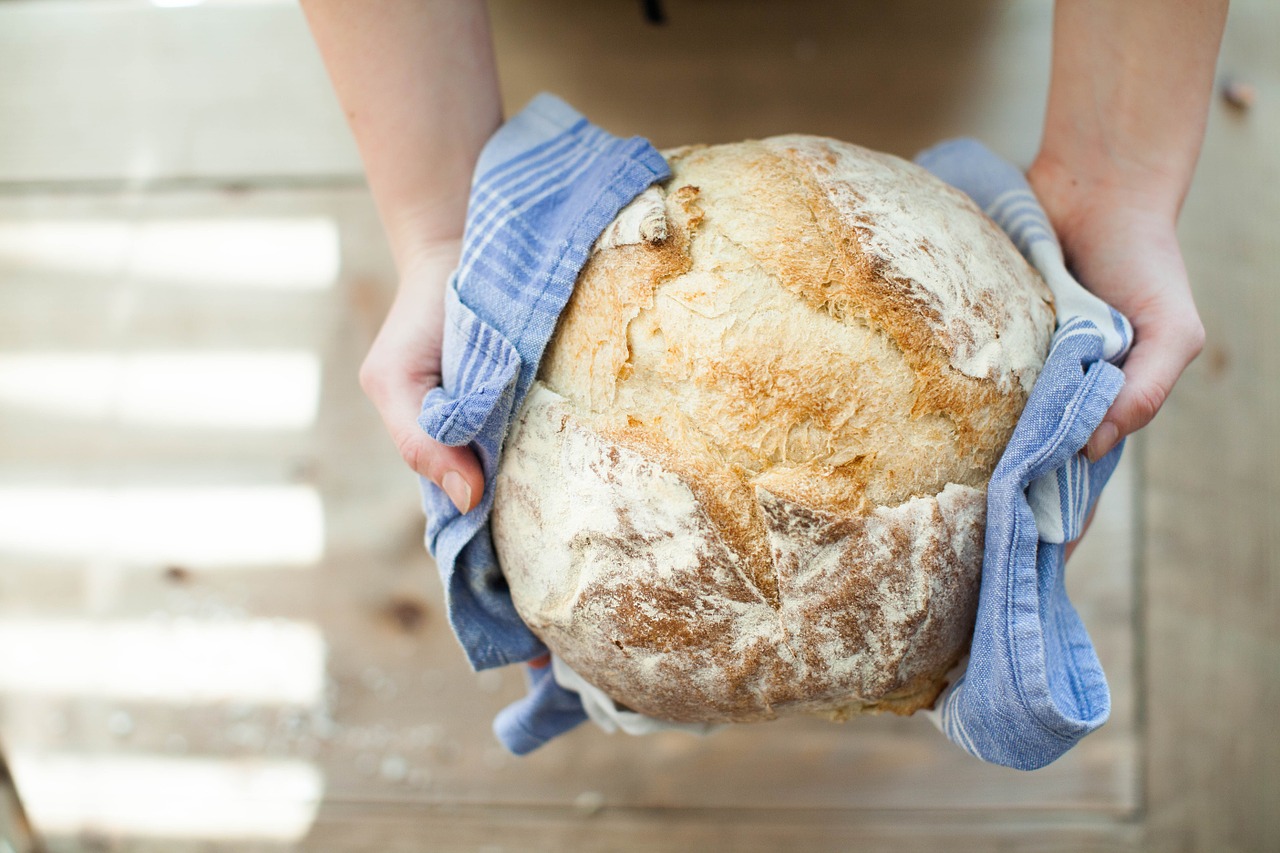
bread

In June 2015 a Huff Post article reported on a recent study in the journal Digestion, that found 86% of individuals who believed they were gluten sensitive could tolerate it.

Individuals with the hereditary auto-immune coeliac disease, which affects about 1% of Americans, or 3 million people, must avoid gluten.

Apart from those with extremely rare wheat allergies, the other group of recommended gluten-avoiders include those with gluten sensitivity; about 6% of the US population, or around 18 million people.

Despite these relatively low figures, an estimated 30% of shoppers are choosing “gluten-free” options, and 41% of U.S. adults believe “gluten-free” foods are better for everyone. Many popular gluten-free foods, such as cookies, crackers, snack bars and chips, are not necessarily healthier, however, and are often lower in nutrients and higher in sugars, sodium and fat than their gluten-free counterparts.

People want to believe that they are gluten intolerant because it’s a way for them to avoid carbs, because they also think carbs make them fat,” according to registered dietician Vandana Sheth, a spokesperson for the Academy of Nutrition and Dietetics.

This study showed that, as with coeliac disease and wheat allergies, gluten sensitivity is not nearly as prevalent as many believe. Eating a gluten-free diet isn’t necessarily healthier, and it is not recommended for weight loss – instead, it could lead to weight gain.

Many gluten-free products are higher in calories, fat, sodium and sugar because they need to enhance the flavor and texture to make up for the lack of gluten,” explained registered dietician Marina Chaparro, a spokesperson for the Academy of Nutrition and Dietetics.

For the vast majority of us, the best way to achieve a healthy weight and to avoid chronic disease is to consume a diet high in vegetables, fruit, beans, legumes, whole grains, nuts and seeds.


Tom Perry

Easy Homemade Cashew Milk Recipe

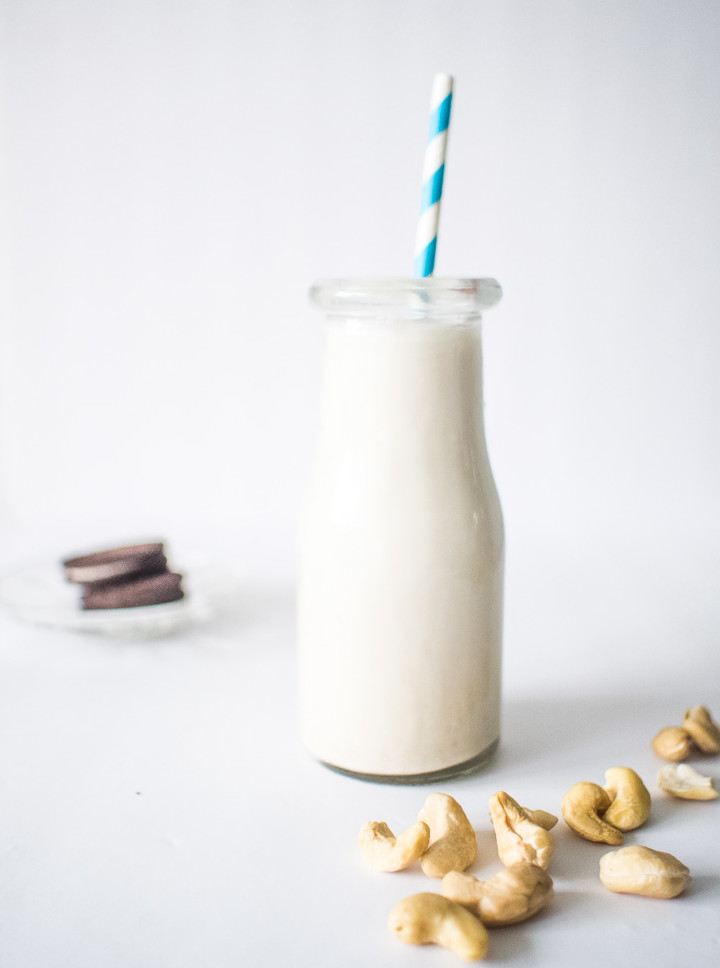
If you’ve never had cashew milk, you need to do yourself a favour and find some, or make some.

Why I love it:

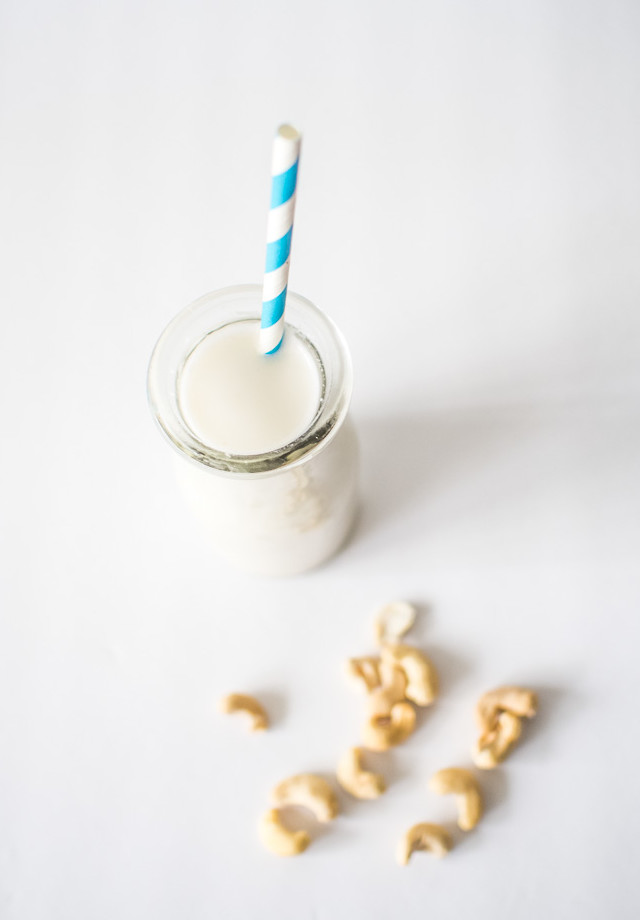
It is absolutely delicious, creamy and refreshing and is great on its own, as a smoothie base or served alongside your favourite cookies. What makes cashew milk different from other nut milks is that it requires no straining after blending. That means you don’t need a nut bag, and you don’t need to figure out what to do with the pulp. Less messing about and less waste. All you have to do is pour it into a glass and enjoy. I love adding some vanilla extract, cinnamon or other spices such as ground ginger, nutmeg or cardamom to give delicious flavour to my cashew milk.

Cashew milk is also full of nutrients and minerals, including magnesium, phosphorus, iron, potassium and zinc as well as protein and healthy fats.

Notes and Tips:

I soak my cashews before I blend them. Soaking helps with the blending process and also helps release some beneficial enzymes.

Add vanilla extract, cinnamon or other spices such as ground ginger, nutmeg or cardamom.


Homemade Cashew Milk
Recipe Type: Breakfast
Author: Keren
Prep time:
Total time:
Serves: 5
Simple, no strain nut milk that is creamy, delicious, and nutritious.
Ingredients
  • 1 cup raw cashews
  • 4 cups water
  • 2 tablespoons maple syrup or rice malt syrup
  • 2 teaspoons vanilla extract
  • Dash of sea salt
  • Pinch of cinnamon (optional)
Instructions
  1. Soak the cashews in water for at least 4 hours. Alternatively you can soak them overnight in the refrigerator.
  2. Drain the cashews and rinse until the water runs clear.
  3. Add the cashews and two cups water to a blender.
  4. Start on a low setting and increase the speed until the cashews are totally pulverised. This could take 2 minutes in a high-powered blender or longer in a regular blender.
  5. Blend in 2 cups more water,* and your sweetener of choice, vanilla extract, sea salt or cinnamon (optional). If your blender can’t totally break down the cashews, strain the milk through a fine mesh strainer or cheese cloth.
  6. Store the milk in a covered container in the refrigerator. It should keep for 3 to 4 days.

Did you make this recipe?

Please let me know how it turned out for you! Leave a comment below and/or share a picture on Instagram with the hashtag #littlegreenhabits.

Love and greens, 

Keren x

Demystifying Protein – Animal vs Plant Protein

One of the most common questions vegans or vegetarians get is “where do you get your protein?” Animal foods such as meat and eggs are seen by many people as the gold standard of this macronutrient. Plant foods, on the other hand, are often seen as deficient and lacking in ‘complete’ protein. The truth is quite different, so how does the myth of plant-protein deficiency keep being recycled as fact? Well, let’s start by looking at the facts.

DNA Strand

Why is protein so important?

Protein, according to Julieanna Hever, the Plant-Based dietitian,  in her book ‘The Complete Idiot’s Guide to Plant-Based Nutrition’ plays a crucial role in most – if not all – structural and functional mechanisms of the human body. Protein makes up part of every cell in the body, including muscles, organs, hair, nails, skin, teeth, ligaments, cartilage and tendons, and, although not as efficient as carbohydrate, acts as source of energy. The building blocks of protein are a total of 20 amino acids. Your body can produce 11 of these amino acids, and there are 9 amino acids you must get from your diet.

Plant protein

If you consume enough calories from a variety of whole plant foods, you will get enough protein. Even mainly carbohydrate foods such as bananas, potatoes and rice have 5, 8 and 9 percent respectively of their calories as protein. The real plant-food superstars of protein though are beans, legumes, nuts, and seeds. For example, lentils have 36 percent of their calories as protein, and leafy green vegetables have almost half their calories from protein. Soybeans and its by-products such as tempeh and soybean curd, or tofu, are high in protein, which does have all essential amino acids.

Don’t you need complete protein?

Because most plant foods have less of one or some of the essential 9 amino acids, it was thought that you would need to combine certain plant foods to make up for this ‘deficiency’. This notion was based on the idea that you need all 9 essential amino acids at every meal. Animal foods have all essential amino acids, and, except for a few examples such as soybeans and quinoa, most plant foods don’t. However the fact is that your body needs amino acids, not foods with ‘complete’ proteins, and a varied plant-based diet has every amino acid you need.

chickpea-316594_1280

How much protein do you need?

According to the US Department of Agriculture, the Recommended Dietary Allowance (RDA) for protein for the average adult is 0.8 grams per kilogram of body weight. In Australia, the amounts are very similar: The recommended dietary intake (RDI) for protein (measured in grams per kilogram of bodyweight) is:

  • 0.75 g/kg for adult women
  • 0.84 g/kg for adult men
  • Around 1 g/kg for pregnant and breastfeeding women, and for men and women over 70 years.

For example, a 75 kg adult male would need 63 g of protein per day. Consider this (brief) list of regular servings of plant foods and their corresponding protein quantities in grams:

  • Quinoa, half-cup cooked: 11.1 g
  • Tofu, raw, firm, half-cup: 19.9 g
  • Barley, pearled, 1 cup cooked: 16.4 g
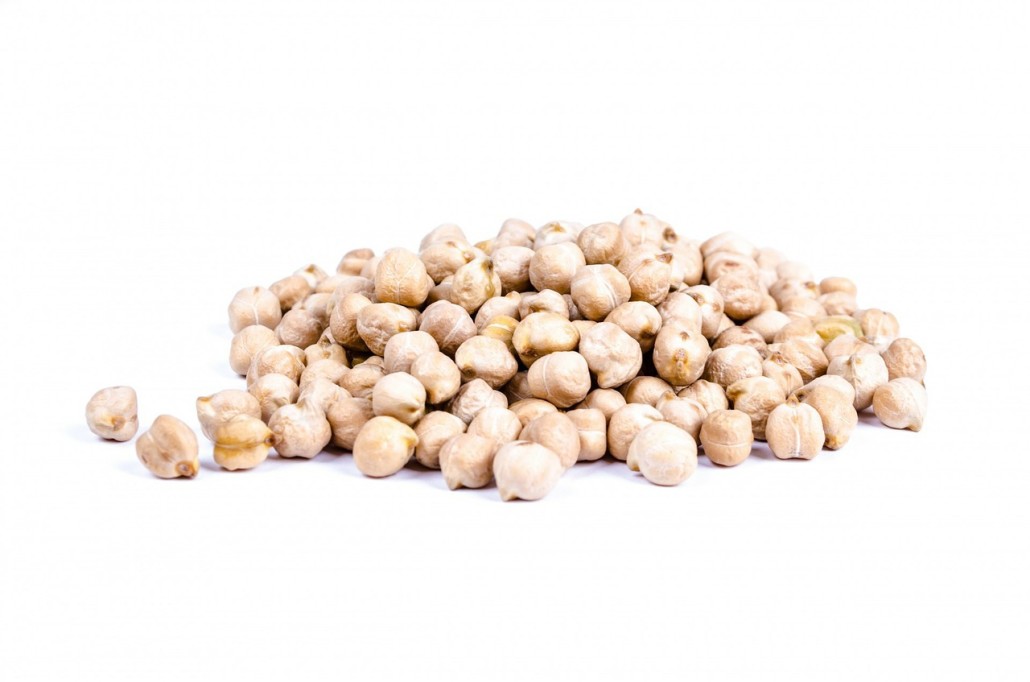
  • Chickpeas, 1 cup cooked: 14.5 g
  • Lentils, 1 cup cooked: 17.9 g
  • Baked beans, 1 cup: 12.1 g

Can you have too much animal protein?

There are many high-protein, low-carb diets around today, in particular Paleo and its variations. Typically, lots of meat, no grains or starches, and some veggies feature prominently in such diets. But can you get too much meat and protein?

According to dietitian Amanda Benham, the Human Herbivore,  diets such as Paleo and Atkins “…encourage unhealthy eating patterns such as high consumption of animal products (…meat, eggs, cheese etc.), which are loaded with saturated fats and cholesterol and devoid of fibre and other beneficial plant components.”

Dr Neal Barnard and the Physicians Committee for Responsible Medicine (PCRM) say that “a diet that is high in protein can actually contribute to disease and other health problems.” The PCRM advice is that too much animal protein can lead to increased risk of osteoporosis, as high protein intake is known to encourage urinary calcium losses. An excess of animal protein and foods in the diet can also lead to increased cancer risk, impaired kidney function, heart disease and weight-loss sabotage.

Cornell University Professor Emeritus of Nutritional Biochemistry, Dr T Colin Campbell, and author of The China Study, tells us that animal protein is a potent carcinogen.

According to Dr Campbell, “Casein [the main protein of cow’s milk] is the most relevant chemical carcinogen ever identified.”

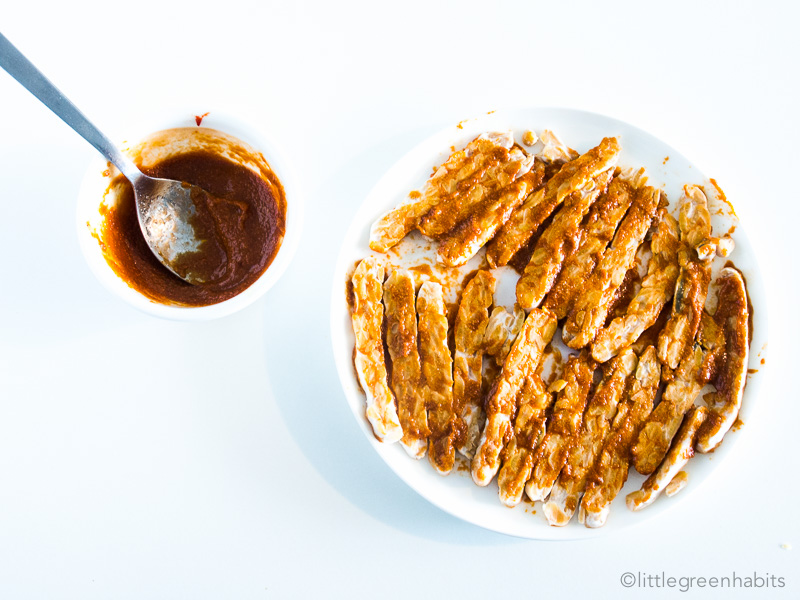
Tempeh

How to get enough healthy plant protein

It is important to get enough protein, however too much animal protein can be harmful to your health. The following guidelines are based on those developed by PCRM:

  • Have a least 5 servings of grains each day, which may include half a cup of hot cereal, 1 ounce of dry cereal, or one slice of wholemeal bread. Each serving contains about 3 grams of protein.
  • Consume three or more servings of vegetables each day. This may include 1 cup of raw vegetables, half a cup of cooked vegetables, or half a cup of vegetable juice (I use my NutriBullet to make vegetable and fruit blended beverages). Each serving contains roughly 2 grams of protein.
  • Try to have 2 to 3 servings of legumes each day, including half a cup of cooked beans, 4 ounces of tofu or tempeh, 8 ounces of soymilk, and 1 ounce of nuts. While protein content can vary significantly, each serving may contain about 4 to 10 grams of protein. Meat analogues and substitutes are also great sources of protein that can be added to your daily diet. (Thanks to PCRM for this checklist).

Still not convinced?

If you’re skeptical about plant foods being able to meet your protein needs, think about the sheer bulk and muscle power of such plant-eaters as gorillas, elephants and rhinos. In the human race, consider the ultra-fit vegan athletes that don’t rely on any animal products for their super-human achievements. Strongman Patrik Baboumian, marathon champion Brendan Brazier and fighter Mac Danzig are elite athletes who swear that a plant-based is the secret behind their success. Patrik Baboumian, an Armenian-German, known as the herbivore strongman with 50-cm biceps, was quoted regarding his change to a vegetarian, then later vegan diet:

”I was amazed by the great gains in lean body-mass and strength I got with the meat-free diet,” says Patrik.

Former professional Ironman triathlete and two-time Canadian 50km Ultra Marathon Champion Brendan Brazier , swears by a whole-food vegan diet. He was also quoted in the article:

“Through good nutrition we can thrive in life without the need for stimulants, sugars and pharmaceuticals, and the Vegetarian, Vegan and Raw Plant Based Whole Food choices are the best,” Brendan says.

American MMA (mixed martial arts) and UFC fighter Mac Danzig has been a vegan since 2004 and follows a high carbohydrate, low fat raw vegan diet. According to the 33-year-old Mac, who has 21 wins under his belt from 33 bouts enjoys a diet rich in nuts, seeds, avocados, and coconuts and “feels amazing”. Maybe it was time you started feeling “amazing” too?

Tom Perry

Vegan Spring Onion Buns

spring onion bun

One of my favourite Chinese breads is the Spring Onion bun. It’s slightly sweet, tender and savoury all at the same time. If you’ve had any oriental (i.e. Chinese or Japanese) bread, you’ll find that they are sweeter and more delicate and tender in texture than your normal bread. They taste like a soft hamburger bun or brioche.

Unfortunately most of these breads are made with eggs or butter so I can’t have them.

And since I don’t want to deprive myself of these comfort foods,  I made my own vegan-friendly version of spring onion buns :)

I use the Cuisine Companion to make them which makes it feels almost like I’m cheating because the machine does all the kneading for me, but, if you want to go manual, it can certainly be done quite easily too.

The first step is to proof the yeast (i.e. ‘waking it up’ in warm sugary water) to make sure that the yeast is still active. It usually takes about 5-8 minutes. After this the process is quite simple – just add the yeast mixture to the dry mixture and knead until it’s elastic and no longer sticky. It would take about 15 minutes by hand or 3 minutes if you use a mixer with dough attachment.

Then you need to let the dough sit in a warm spot until it doubles in size.

Then the fun begins…. You cut the dough into 4 sections, use a rolling pin (or your hands) to flatten them to 1 cm thickness and spread the sliced onion all over the surface of the dough, make a log roll and cut them up in equal portions. Finally into the oven they go while you wait impatiently for them to cook…


Spring Onion Buns
Recipe Type: Snack
Cuisine: Vegan
Author: Keren
Prep time:
Cook time:
Total time:
Serves: 8
Easy savoury and sweet bun for morning or afternoon snack
Ingredients
  • 4 cup bread flour (white or wholemeal)
  • 1 packet (5g) of Instant yeast
  • 1 tbsp sugar
  • 1 cup water
  • 1/2 tsp salt
  • 2 tsp egg replacer mixed in 4 tbsp water
  • 1 tsp baking powder
  • 1 tbsp non-dairy butter or Nuttelex
  • 1/2 cup of spring onion, sliced thinly
  • 1/4 cup of non-dairy milk
Instructions
  1. Preheat oven to 180C. Line pan with baking paper.
  2. Mix sugar and water in a bowl or in a small pot. Microwave for 30 seconds or heat on the stove until just warm (not hot to touch).
  3. Sift flour and baking powder into the cuisine companion bowl. Add yeast mixture and press Pastry Program 1.
  4. For manual method: Sift flour and baking powder into a bowl. Add yeast mixture. Knead gently until just smooth. Leave in warm temperature covered with kitchen towel until almost double in size, about 30-60 min (depending on your weather condition)
  5. Roll out dough to a rectangle using a lightly floured rolling pin. Brush with Nuttilex.
  6. Sprinkle over onion, leaving a 1cm border on 1 long side. Starting at opposite end, roll up dough.
  7. Cut into 8 even slices. Brush with non-dairy milk.
  8. Bake for 25 minutes or until golden and cooked through. Stand in pan for 5 minutes. Serve warm.
  9. These breads are good for freezing too. Just pop in the microwave for 30-40 second to heat up when you’re hungry.

vegan spring onion bun

Did you make this recipe?

Please let me know how it turned out for you! Leave a comment below and/or share a picture on Instagram with the hashtag #littlegreenhabits.

Love and greens, 

Keren

Protein Myth, Vegan Athletes and Plantbased Diet For Weight Loss


GNN #04

This week my top 5 nutrition news items focus on that perennial source of controversy with vegetarian or vegan diets – protein.

We have the current high-protein vs high-carb diet dichotomy, then there’s animal vs plant protein, and there’s the inevitable question that arises when people don’t eat meat or animal products: “where do you get your protein?”

Hopefully these articles will help to answer these questions. Not to mention the fact that, as a 190cm / 6ft 3” male, I have easily obtained enough dietary protein from plant sources since I went vegetarian (and later vegan) in 1982!

Slaying The Protein Myth

In 2014 Forks Over Knives published an article by vegan ultra-athlete, author and speaker Rich Roll titled ‘Slaying the Protein Myth’. In this article Rich Roll identifies the relentless marketing messages from the wealthy and powerful animal food industry that, naturally, would have us all believe that their products are necessary for protein intake.

Speaking as a plant-based athlete, Rich Roll can confidently say that not only is consumption of animal protein unnecessary, “it’s killing us, luring us to feast on a rotunda of factory-farmed, hormone- and pesticide-laden, low-fiber foods extremely high in saturated fat.” Rich then poses the questions; does it matter if we get our protein from plants, and how much do we need?

As Rich notes, the nine essential amino acids our body needs can readily be synthesized by a variety of plant foods, which, after all, is where herbivorous animals get it from. The danger lies not in getting too little protein, but in consuming too much animal protein. Not only is there evidence that excess protein intake is often stored in fat cells, Rich Roll writes, it contributes to the onset of a variety of diseases, such as osteoporosis, cancer, impaired kidney function, and heart disease.

Compare this to the plant-based lifestyle, which Rich Roll says repaired his health and “revitalized” his “middle-aged self” to teenage proportions.

If you’re not convinced, Rich Roll invites you to consider all the well-known, plant-based athletes (see below), and the huge, powerful animals which build their muscular bulk on raw plant foods, such as elephants, rhinos and gorillas.

Do Vegetarians and Vegans Eat Enough Protein?

The fact is adults require about 42 grams of protein intake each day, and vegetarians/vegans consume, on average, 70% more protein than the recommended intake (over 70 grams).

Another article on the Forks Over Knives website, based on Dr Michael Greger’s Nutrition Facts research, answers the question that many ask, or think of; do vegetarians/vegans get enough protein?

The real dietary deficiency in the US and other wealthy western countries (including Australia) is not protein, but fibre, which is found only in whole plant foods like beans, fruits, vegetables, and whole grains.

A lack of adequate dietary fibre intake has been associated with a higher risk of diabetes, cardiovascular disease, obesity, and various cancers, as well as higher cholesterol, blood pressure, and blood sugar.

Short answer is yes. As long as they eat enough calories to meet their dietary intake, vegetarians and vegans get enough protein.

Dr. Ornish On The Hazards Of The High-Protein Trend

In a recent op-ed piece in the New York Times, physician, author, researcher, and plant-based diet guru Dr. Dean Ornish challenges current notions about the importance of dietary animal protein and fats.

As Dr. Ornish observes, many people have claimed that obesity is linked to the high consumption of sugar and starch, and not enough meat, fat and eggs. Recently the US Dietary Guidelines Advisory Committee lifted recommendations that restricted dietary cholesterol (only found in animal foods), citing research showing that dietary cholesterol doesn’t have a major impact on cholesterol levels.

Contrary to popular claims that people have abandoned meat and fat for sugary processed foods, Americans consumed 67% more added fat, 39% more sugar, and 41% more meat in 2000 than that they did in 1950, and nearly 25% more calories than they had in 1970.

The Australian Health Survey found that Aussies are eating 30 per cent less fruit and vegetables than 15 years ago, with one in four adults eating no vegetables on an average day and only 7 per cent eating the daily recommended five servings. Meanwhile, we have also decreased our grain consumption, with Australians consuming 29 per cent fewer core grain foods in 2014 than in 2011, while six per cent did not eat any at all. Instead, we are filling up more on take away food high in saturated fat, animal products, and sugar. Meat consumption in Australia has increased from 103 kg in 1962 to 111 kg per person in 2011, with chicken and pork significantly increasing their market share, and Australians allocating about 40 percent of their food expenditure on meat. As Dr Ornish notes, it’s no wonder people are fatter and unhealthier.

According to Dr. Ornish, research shows that “animal protein may significantly increase the risk of premature mortality from all causes, among them cardiovascular disease, cancer and Type 2 diabetes.” He makes the point that low-carb, high-animal protein diets promote heart disease in ways other than just their effects on cholesterol levels.

The problem with meat and egg yolks is that their increased production of TMAO – trimethylamine N-oxide significantly increases the risk of coronary heart disease and cancer. Furthermore, animal protein increases IGF-1, an insulin-like growth hormone, and chronic inflammation, an underlying factor in many chronic diseases.

Dr. Ornish has proven in randomized, controlled trials that a whole-foods, plant-based lifestyle can reverse the progression of severe coronary heart disease. After a few weeks of these trials, episodes of chest pain reduced by 91%. After 5 years, there were 2.5 times fewer cardiac events, and blood flow to the heart improved by 300%.

It is possible, writes Dr. Ornish, that these diet and lifestyle changes can alter your genes, turning on the ones that keep you healthy, and turning off genes that promote disease; and even lengthen telomeres – the ends of our chromosones that control aging.

Dr. Ornish found in his research that the more people followed a whole food plant based lifestyle, controlled stress, did regular exercise, and reduced the amount of fat and cholesterol they consumed, the more improvement in their health was measured. As Dr. Ornish puts it, “what you gain is so much more than what you give up.”

10 Male Athletes You Didn’t Know Were Vegan

As legendary US gridiron quarterback Joe Namath once said of his transition to vegetarianism, “It shows that you don’t need meat to play football.”

This list of famous vegan male athletes surely slam-dunks the archaic notion that plant based athletes don’t get enough protein, particularly animal protein, to build serious muscle strength and power.

Some of the names listed may be well known to you, such as healthy vegan diet athletes, authors and plant based advocates Rich Roll and Brendan Brazier, but some, like Mike Tyson, might raise a few eyebrows. It’s good to see an Aussie make the list too: one of our celebrated Olympic swimming champions, the ‘Seaweed Streak’, Murray Rose.

Bodybuilders, Mixed Martial Arts fighters, super-strong men; this roll call of male vegan athletic superstars demonstrates emphatically that strength and endurance can be easily developed on a fully plant based diet.

Plant-Based: Officially The Best Diet For Weight Loss

Plantbased for weightloss

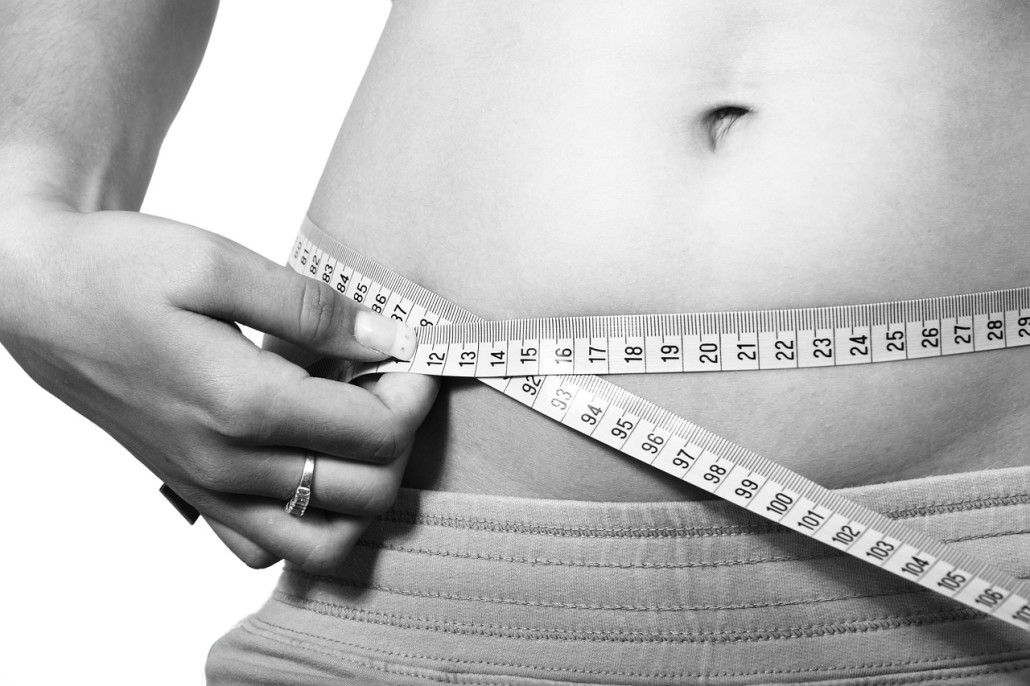
You’ll always find us banging on at Little Green Habits about how a whole food plant based diet is best for long-term health and sustained weight loss. Well, now it’s official!

As recently widely reported, including the New Daily, you can save the planet, your health and your waistline by simply going veggo.

Despite the oft-repeated claims that vegetarians and vegans will waste away due to lack of animal protein, and that scarfing loads of animal protein is best to fill you up and trim off the kilos, a study recently published in the Journal of General Internal Medicine found that, on average, vegetarian dieters lost an extra 2 kilos (and vegans an extra 2.5 kilos) than those who ate animal products.

Lead author Dr. Ru-Yi Huang stated:

“Vegetarian diets are more effective than non-vegetarian diets for weight loss.”

Deakin University (Melbourne, Australia) Associate Professor Tim Crowe, who reviewed the study, said that:

Even if you do it for the short term, [going vegetarian] can be an effective way to lose a small amount of weight.

Associate Professor and nutrition expert Tim Crowe encouraged people to follow a mostly plant based diet, low in sugar, and with regular exercise. “Those are the keys to long term health,” Associate Professor Crowe said. For the sake of your health, weight loss, animals and the environment, I heartily agree!

Tom Perry
Simple Green Smoothie

Do you notice how green drinks are hitting the mainstream cafes and juice bars now? Maybe it’s just me but when I go out, I see green juice everywhere. All the major juice bars seem to have it on their menu now. It’s so exciting and encouraging to see that green drinks are becoming more mainstream. Things are changing and I think it’s awesome.

I started having green smoothie about two years ago. Since then I’ve been having it almost everyday for breakfast. I did lots of trials with different recipe to find the perfect combination of fruit and vegetables and have since found a base recipe that works for me. There’s so many green smoothie recipes available online and offline that it can be overwhelming if you’re just starting out.

I used to put so much stuff (protein powder, superfood supplements, etc) to make it taste good but I have since simplified the recipe to make it easier for me to make (it’s not fun having to take out 10 different things out of the pantry every morning). So this is actually an updated recipe of my old green smoothie recipe which has twice the amount of ingredients. I’ve cut it down such that it can tastes great without having to put tons of fruit in it. Not that there’s anything wrong with fruit but if’s going to be a vegetable smoothie, I figure it should have more vegetables than fruit.
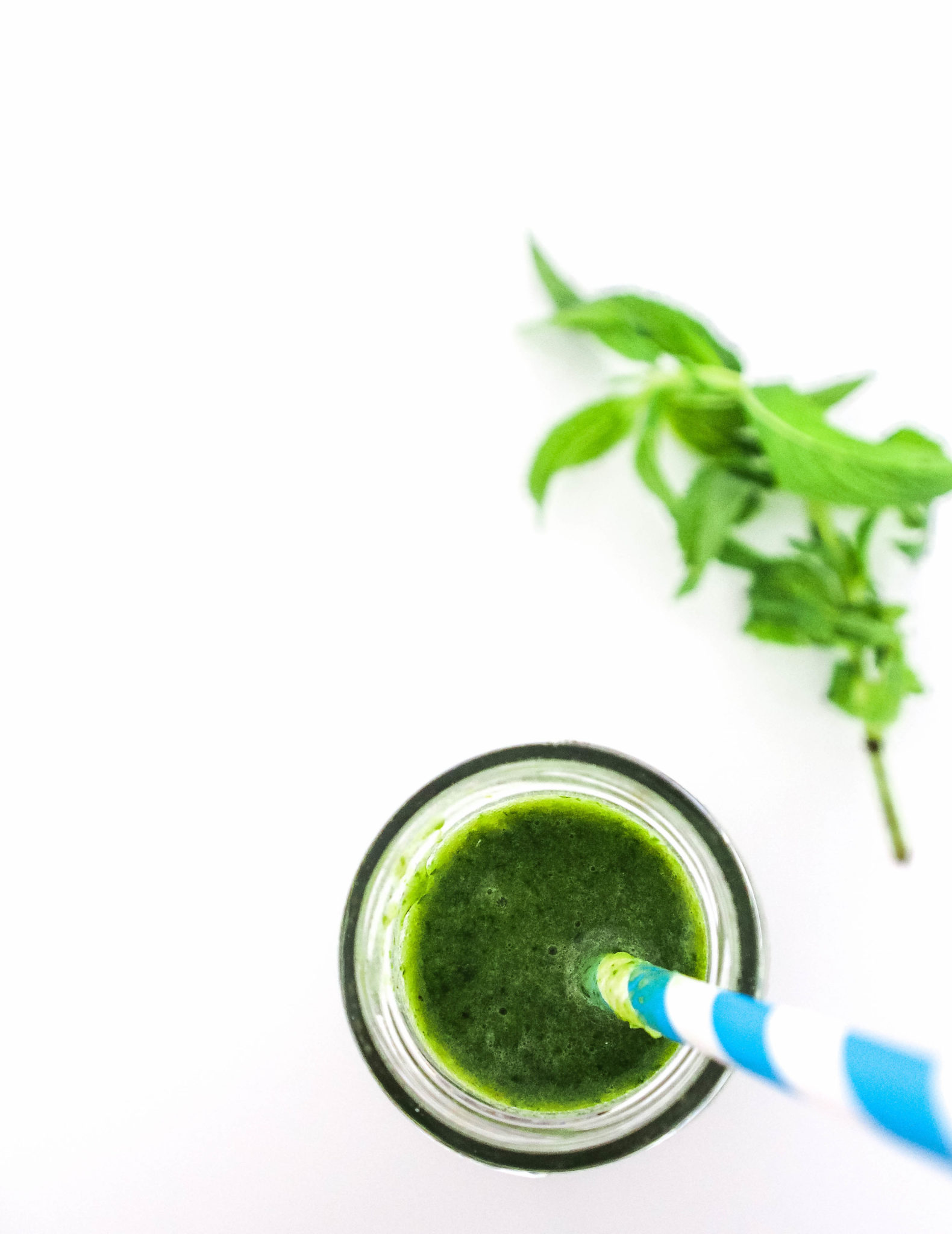
Currently, my favourite smoothie base consists of Frozen Kale, Spinach, Banana, and Avocado. I then add to it more veggies, fruits, herbs, nuts and seeds depending on what I have and what I feel like.

You can get a bit creative with it, adding different kind of fruits and vegetables, seeds, nuts, protein powder, superfood mix, etc etc. Here’s my basic breakfast Green Smoothie recipe which I have made over 200 times and shared with people. My hope is that you will give this recipe a try and start making your own green blend.

Simple Green Smoothie
Recipe Type: Drinks
Author: Keren
Prep time:
Total time:
Serves: 2
Imagine being addicted to something so healthy as this. I am. Not because it’s healthy but because it tastes great and it makes me feel great.
Ingredients
  • 2 big handful (~ 3 cups) of baby spinach
  • 2 big handful (~ 3 cups) of kale leaves (washed and freeze overnight)
  • 2 medium size ripe banana
  • 1 avocado
  • 1 cup chopped cucumber
  • 6 sprigs of parsley
  • 10-15 mint leaves (the more, the better)
  • 2 cups of non-dairy milk
  • 1/2 cup water
  • 1 cup of ice
  • Optional – 1 tbsp of each of your favourite superfoods, soaked nuts or seeds
Instructions
  1. Add ingredients in a blender starting from the heaviest item (so it catches the blade of the blender, it helps the blending process). Blend until smooth.
  2. Pour into a glass and serve.
  3. Can be refrigerated in a glass container for up to 3 days or store in the freezer for about a week

So, what do you think about green smoothie? Are you a green smoothie drinker? If so what’s your favourite green ingredients?

Lots of love,

Keren

Green Nutrition News – Obesity epidemic, how much is too much fruit and is buying organic really worth it?

My top nutrition news items this week include information from Dr Fuhrman about the increasing obesity epidemic; while Dr Greger poses the questions on his Nutrition Facts websites how much is too much fruit, and is buying organic really worth it?

GNN #03

Our Obesity Epidemic – getting worse, not better

Dr Joel Fuhrman recently posted an article about the continuing rise of obesity in the United States. As Dr Fuhrman writes, in the 28 years between 1980 and 2008, the prevalence of obesity in adults in the US more than doubled from 15% to 34%.

Today, 35.7% of Americans are obese, and a total of 68.8% are either overweight or obese.

Here in Australia, the rates of overweight and obesity amongst adults have doubled over the past two decades with Australia now being ranked as one of the fattest developed nations.

According to the Australian Institute of Health and Welfare (AIHW), 63% of Australian adults are overweight or obese, and 25% of children are overweight or obese. Being overweight and obese is the second highest contributor to burden of disease, after dietary risks. Smoking is the third highest.

Why are so many people overweight?

As Dr Fuhrman says: diets don’t work. Dr Fuhrman’s belief is that Americans are not only out of touch with their hunger and fullness signals, but are addicted to their disease-causing Standard American Diet (SAD).

According to Dr Fuhrman, “trying to lose weight by eating smaller amounts of the same foods fails over and over; you do not feel satisfied by the small portions, and between meals you suffer from the uncomfortable cravings and withdrawal symptoms (headaches, light-headedness, etc.) associated with unhealthy foods”.

What is the answer?

Dr Fuhrman prescribes a high-nutrient eating style, based on larger amounts of vegetables, which helps remove addictive cravings and withdrawal symptoms.

High-nutrient, health-promoting whole plant foods provide adequate micronutrients that don’t produce toxic withdrawal symptoms; and reduce the desire to overeat.

Whole plant foods and recipes recommended by Dr Fuhrman not only satisfy you with fewer calories, but also accelerate loss of body fat. This is the most effective strategy for weight loss, disease-reversal, and enhanced longevity.

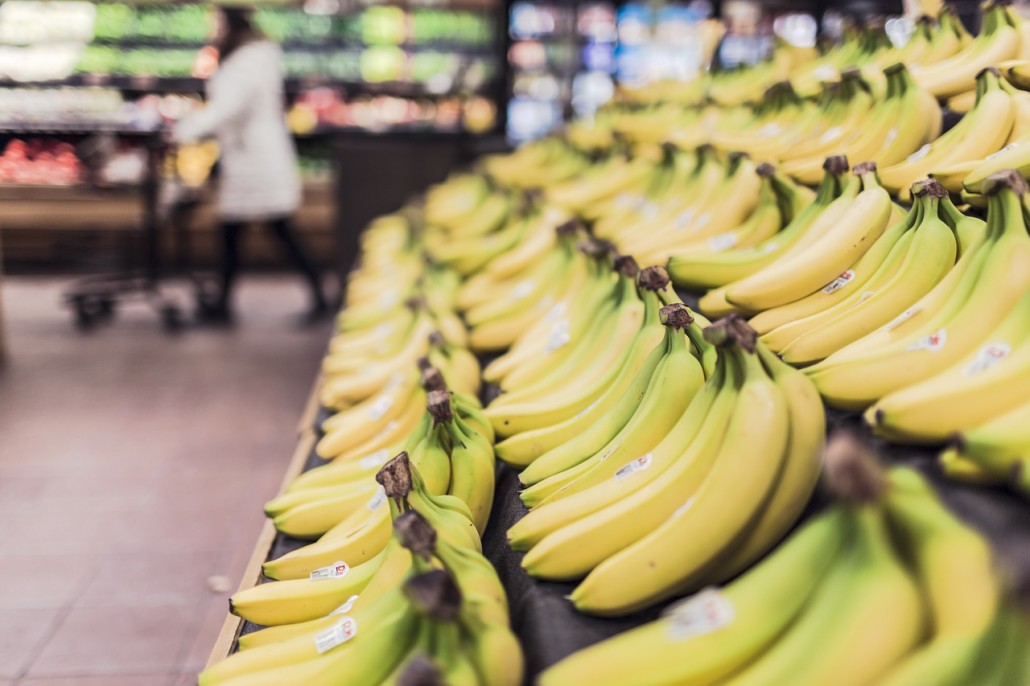
bananas 

How Much Fruit Is Too Much?

With all the publicity about the dangers of too much sugar in our diets, some people have questioned whether the fructose in fresh fruit might be a problem.

This is of particular relevance to diabetics, who might be impacted with the consumption of too much fruit, which contains fructose. As is often the case, Dr Michael Greger deftly answers this question in his Nutrition Facts online videos and articles.

In answering the question is added fructose different to the naturally occurring fructose in fruit; research shows clearly that fresh fruit has protective benefits refined sugars lack.

In one study people who ate a whopping 20 pieces of fruit a day, which translates to about 4 times the upper adult limit of fructose toxicity, experienced “no adverse effects (and possible benefits) for body weight, blood pressure, and insulin and lipid levels after 12 to 24 weeks”. In another similar study no adverse effects were reported, with an added bonus 38-point drop in LDL (bad) cholesterol.

Quoting from the Harvard Health Letter, “the nutritional problems of fructose and sugar come when they are added to foods. Fruit, on the other hand, is beneficial in almost any amount [emphasis added]”.

 organic farming

Is buying organic really worth it?

Most vegans and vegetarians are big supporters of organic farming, without use of harmful chemical fertilizers or pesticides.

Intuitively, this seems like the right thing to promote. The question arises then, should we be focusing not only on encouraging people to eat more vegetables, fruit, and healthy, natural plant foods, but also on buying (often more expensive) organic produce as well? Dr Greger of Nutrition Facts addresses this question in a series of videos.

Are Organic Foods more Nutritious?

Hundreds of studies comparing organic to conventional produce didn’t find significant differences for most of the traditional nutrients like vitamins and minerals. The conclusion was there is no strong evidence to support the perception that organically produced foods are more nutritious. The studies, did, however, find higher levels of phenolic phytonutrients, which are cancer-protective anti-oxidants. It could be argued, though, that simply by purchasing an extra serve of conventional produce (usually cheaper than organic); the same levels of phenolic phytonutrients could be obtained for around the same cost.

Are Organic Foods safer?

As Dr Greger puts it, “…organic foods may not have more nutrients per dollar, [but] consumption of organic foods may reduce exposure to pesticide residues and antibiotic-resistant bacteria”.

Studies have shown that although the risk of consuming food poisoning bacteria was the same with organic or conventional meat, exposure to multidrug resistant bacteria, resistant to multiple classes of antibiotics was lower with the organic meat.

What then of pesticide residue on plant foods?

According to Dr Greger, “There is a large body of evidence on the relation between exposure to pesticides and elevated rate of chronic diseases such as different types of cancers, diabetes, neurodegenerative disorders like Parkinson’s, Alzheimer’s, and ALS, as well as birth defects and reproductive disorders, but they’re talking about people who live or work around pesticides.”

Measuring the levels of pesticide residue running through the bodies of both children and adults after alternating between a predominantly organic and conventional diet, found that “eating organic provides a dramatic and immediate protective effect against exposures to pesticides commonly used in agricultural production”.

These dietary studies showed that during the week with mostly organic consumption, pesticide exposure was significantly reduced – by a nearly 90% drop in exposure.

Dr Greger concluded, “Consumption of organic foods provides protection against pesticides”. However, does protection against pesticides mean protection against disease? Currently, we don’t have the studies to prove this either way. In the meantime, consumption of organic food is a logical precaution.

organic apples

Are Organic Foods Healthier

As Dr Greger observes in this video report, “by eating organic we can reduce our exposure to pesticides, but it remains unclear whether such a reduction in exposure is clinically relevant”.

In some studies, organic consumers report being significantly healthier than conventional consumers. However, they also tend to eat more plant foods, less soda and less alcohol, processed meat or milk, and just eat healthier in general. No wonder they feel much better!

Dr Greger notes that the “Million Women Study in the UK was the first to examine the association between the consumption of organic food and subsequent risk of cancer. The only significant risk reduction they found, though, was for non-Hodgkin’s lymphoma”.

Certainly, studies have shown that higher levels of pesticides have been linked to higher incidence of conditions including ADHD, testicular cancer and birth defects. It is unclear, though, whether the increased pesticide levels were due to other factors such as higher consumption of animal products and environmental exposure by farm workers.

To date, there haven’t been, according Dr Greger, any ‘interventional trials’, comparing people raised on organic diets compared to those raised on conventional diets – except, as Dr Greger drolly observes, studies done on fruit flies!

Organic Food Benefits – overrated or underrated?

For 25 years pesticides have been classed as probable carcinogens, potentially damaging our DNA, genes or chromosomes. Most of the damage, however, seems to be done to the farm workers in close contact with these chemicals. Exposure to pesticide residue on produce is at levels well below acceptable limits.

There is still scientific controversy about the safety of pesticide levels, even under the safe limit. Cadmium levels, about half that in organic produce, is another highly toxic heavy metal that accumulates in the body and may be linked to phosphate fertilizers used in conventional crops.

On the flip side, the ‘organic’ food market has grown substantially over the years, and isn’t always a guarantee of health. People may falsely judge organic Oreo cookies, for example, as having less calories than regular Oreos, and believe there is less need for exercise when consuming these ‘organic’ junk foods.

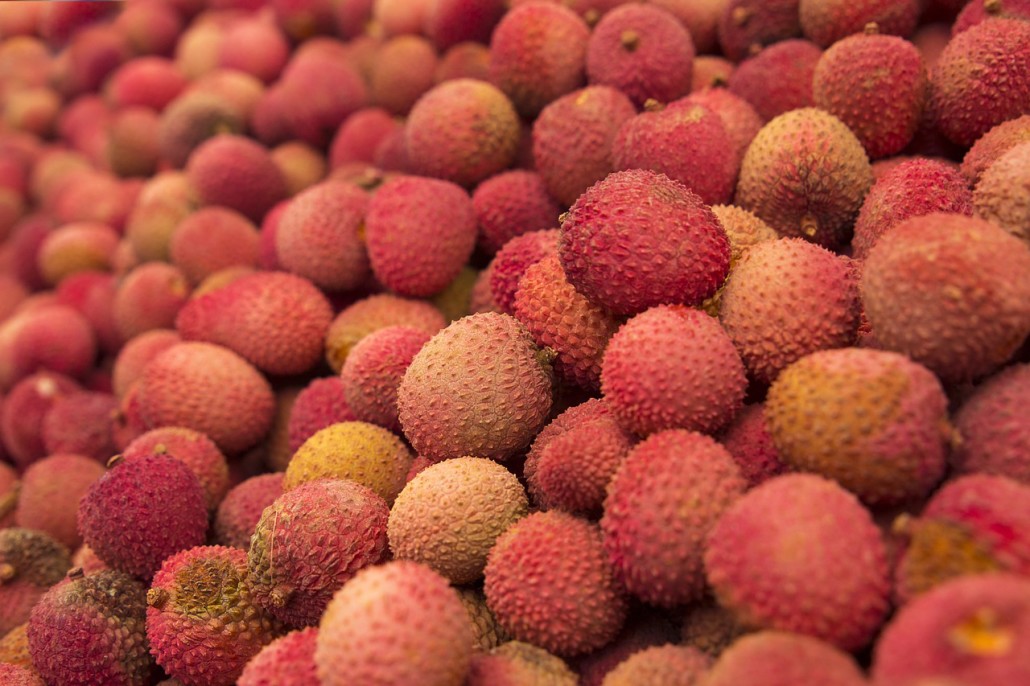
lychee-520481_1280

People tend to overestimate the nutritional benefits of organic food, and overestimate the risk of pesticides. In the US they erroneously believe that as many people die from pesticides residues on conventional foods as die from motor vehicle accidents. Some buyers of organic food might think that eating conventional produce is almost as bad as smoking a pack of cigarettes! The danger of this type of thinking is that it could lead to an overall decrease in fruit and vegetable consumption.

According to a study cited by Dr Greger, if half the US population increased their fruit and vegetable consumption by just one serving a day, an estimated 20,000 cancer cases might be avoided each year. Even if you allow for an additional 10 cases of cancer caused by the pesticide residue ingested due to the extra fruit and vegetable consumption; that represents potentially 19,990 fewer cases of cancer each year!

I’ll leave the last word on this subject to Dr Greger:

“We get a tremendous benefit from eating conventional fruits and vegetables that far outweighs whatever tiny bump in risk from the pesticides, but hey, why accept any risk at all when you can choose organic? I agree, but we should never let concern about pesticides stop us from stuffing our face with as many fruits and vegetables as possible”.

Tom Perry