Vegan Peanut Butter Banana Pancakes

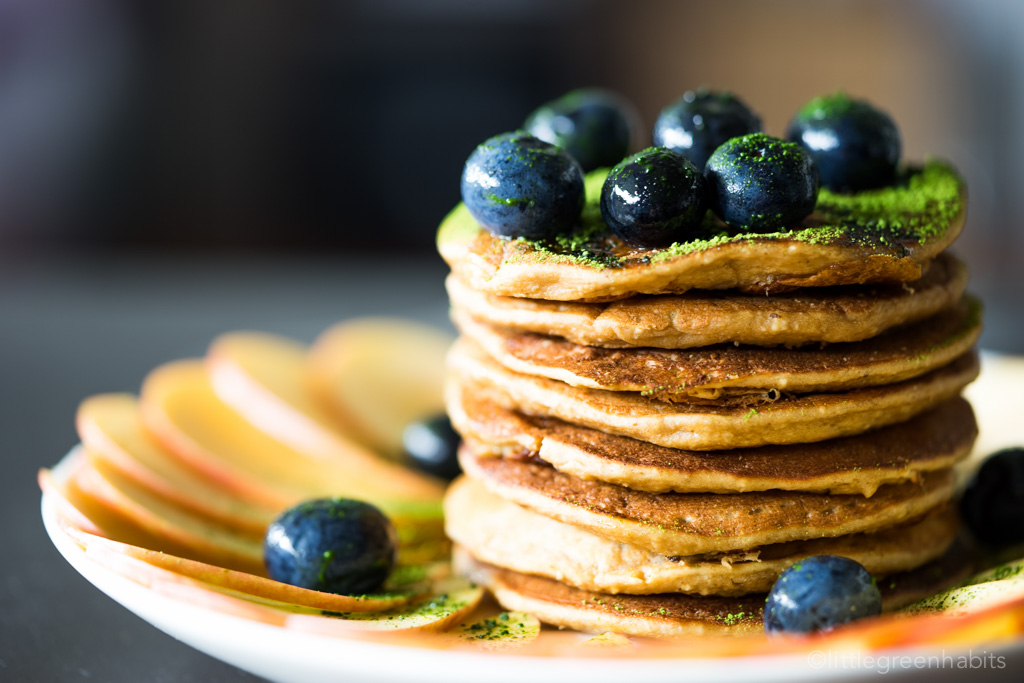
Finally! Gluten free, refined sugar-free, vegan pancakes that don’t suck. It’s super easy to make too!
   DSC04107

Why I love these pancakes

Well what’s not to love. It’s sugar-free, gluten-free, vegan, and the batter sets beautifully to allow for some flipping action. Peanut flour gives this pancake a lovely nutty taste and also gives it a protein boost (the one I use contain 16g protein per 1/4 cup). You can find peanut flour at the health-store (I got mine from iHerb). Combined with banana, these pancakes are mildly sweet, protein-dense and every bit delicious.
DSC04084

Vegan Peanut Butter Banana Protein Pancakes

Ingredients
  • 1/2 cups gluten-free oat flour* see tips
  • 3/4 cups peanut flour
  • 1 large ripe banana
  • 1 tbsp baking powder
  • 1 cup soy milk
  • 1 tsp vanilla extract
  • a pinch of salt
  • Rice malt or maple syrup
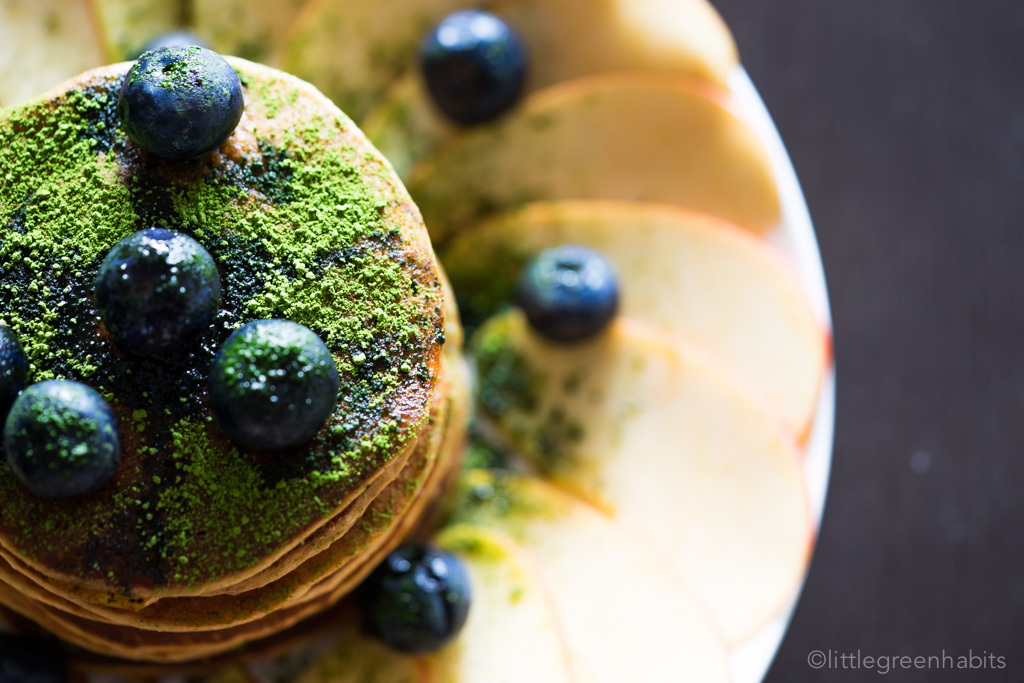
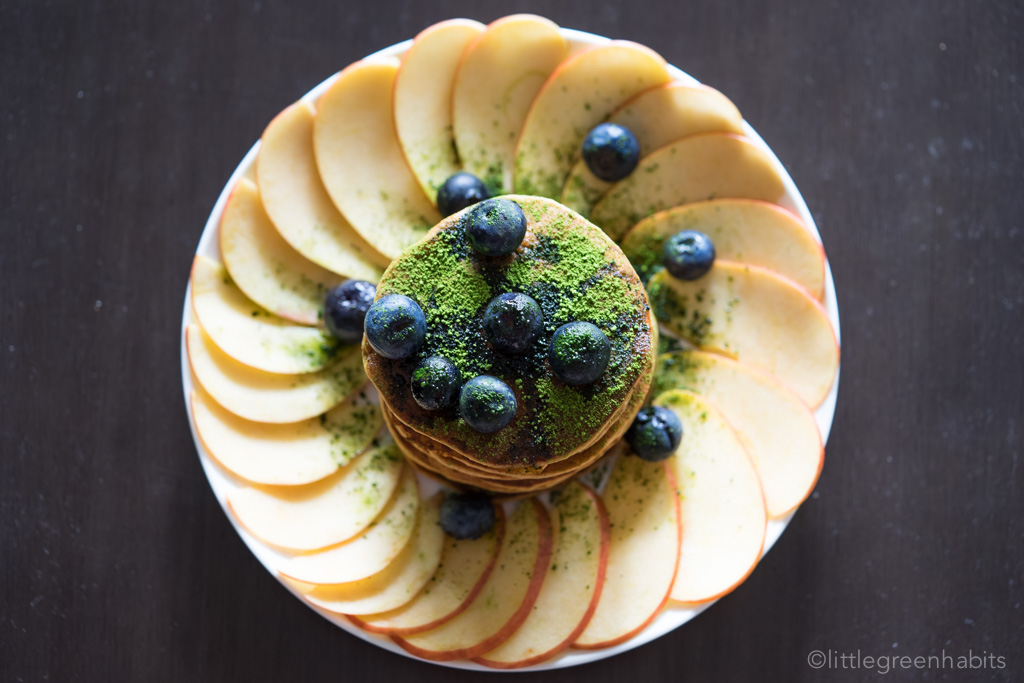
  • Your favourite fruit and topping (I use blueberries and match powder).

Method (Cuisine Companion)

  • Place all ingredient except the peanut flour in the bowl  fitted with the kneading/crushing blade. Mix at speed 10 for 30 seconds. Gradually add the flour through the opening on the lid, still at speed 10, until just mixed.
  • Cook 1/4 cup of batter on an oiled non-stick pan over medium heat.
  • Cook for about 4 minutes until bubbles appear on surface. Flip and cook for another 2-3 minutes or until cooked through
  • Serve with some maple/ rice malt syrup

Notes and Tips

1. Make oat flour by processing rolled oat in a food processor or a blender
2. Mix rice malt or maple syrup with peanut butter for peanut butter sauce.
3. You can also use a blender to mix the ingredients or manually by hand using a whisk.

Did you make this recipe?

Please let me know how it turned out for you! Leave a comment below and/or share a picture on Instagram with the hashtag #littlegreenhabits
Image
DSC04126

Vegan Sweet Potato Blondies

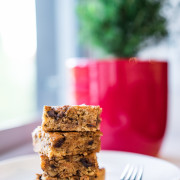
A little comfort food sometimes go a long way. Especially when it’s this good. I made these Vegan Sweet Potato Blondies during the Christmas break in place of gingerbread men and boy did they change my life.

sweet-potato-blondie-17

These are sweet, comforting, and every bit delicious… this recipe is an adaption of Sweet Potato Blondies recipe from Vegan Cookies Invade Your Cookie Jar (awesome cookbook by the way!) – I’ve reduced the amount of sugar, double the amount of spices and included coconut cream to make them slightly less sugary and more nutritious. And the result, boy oh boy…. everyday is Christmas as far as these bars concern.

sweet-potato-blondie-20

Why I love these blondies

First of all I love sweet potatoes. I think they’re superfood – rich in fibre, beta-carotene and vitamin A.  They also contain lots of antioxidants and anti-inflammatory nutrients. The spices thrown in the mix (cinnamon and ginger) are also great for digestion, cold, flu, and pain relief among other benefits.

These are super easy to make and the result is nothing short of spectacular. They’re mildly sweet, moist, spicy and decadent. Best of all, they’ll make your house smell like Christmas morning. These are beautiful when warm but they also make a delicious cold snack. I highly recommend serving with a scoop of vanilla ice cream.

sweet-potato-blondie-25


Vegan Sweet Potato Blondies
Recipe Type: Dessert
Author: Keren
Prep time:
Cook time:
Total time:
Serves: 6
A delicious bake that will make your house smells like Christmas morning. And no one would be able to guess the secret ingredient that makes this cake so moist and flavourful, sweet potato!
Ingredients
  • Wet Ingredients
  • ¾ cup cooked, mashed sweet potato (skin removed)
  • ¼ cup coconut oil, melted
  • 1/3 cup coconut sugar
  • 1 cup coconut cream (or you can also use coconut milk)
  • 1 tbsp apple cider vinegar
  • Dry Ingredients
  • 1¼ cup plain flour
  • ½ tsp baking powder
  • ¼ tsp salt
  • 1 tsp ground cinnamon
  • 1 tsp ground ginger
  • Topping
  • ½ cup walnuts, chopped roughly
  • ⅓ cup non-dairy chocolate chips
Instructions
  1. Preheat oven to 180ºC. Line a 20 cm (8 inch) square pan with aluminium foil. Make sure foil covers the sides of the pan. Brush or spray the pan with cooking oil.
  2. Arrange walnuts on a cookie sheet in a single layer, bake in the preheated oven for about 5-8 minutes, checking every couple of minutes. Let cool for a few minutes.
  3. Sift the dry ingredients into a bowl. Mix to combine.
  4. Mix the wet ingredients together.
  5. Stir in the wet ingredient into the dry ingredients and mix just enough to moisten the mixture. Do not overmix.
  6. Fold in the chopped nuts and chocolate chips.
  7. Pour mixture into the prepared pan and smooth the top with the back of the spoon or spatula. Bake for 28 minutes. Cake is done if a toothpick inserted into the centre comes out mostly clean (a few moist bits are ok). If it’s still a bit wet, bake for another 2-4 minutes. The key is not to over-bake the cake. Allow to cool for at least 30 minutes for the texture and flavour to develop then slice into bars.
Notes
*You can replace coconut cream with any non-dairy milk.[br]*If you’re super lazy, you can just use chopped raw walnut, they won’t taste as ‘roasted’ but they’ll be just as delicious.

If you make this, I’d love to hear from you. Leave a comment below or find me on Instagram and share your creation. Don’t forget to tag me @passionatelykeren so I won’t miss your post.

Keren x

Vegan French Onion Soup with Mushrooms

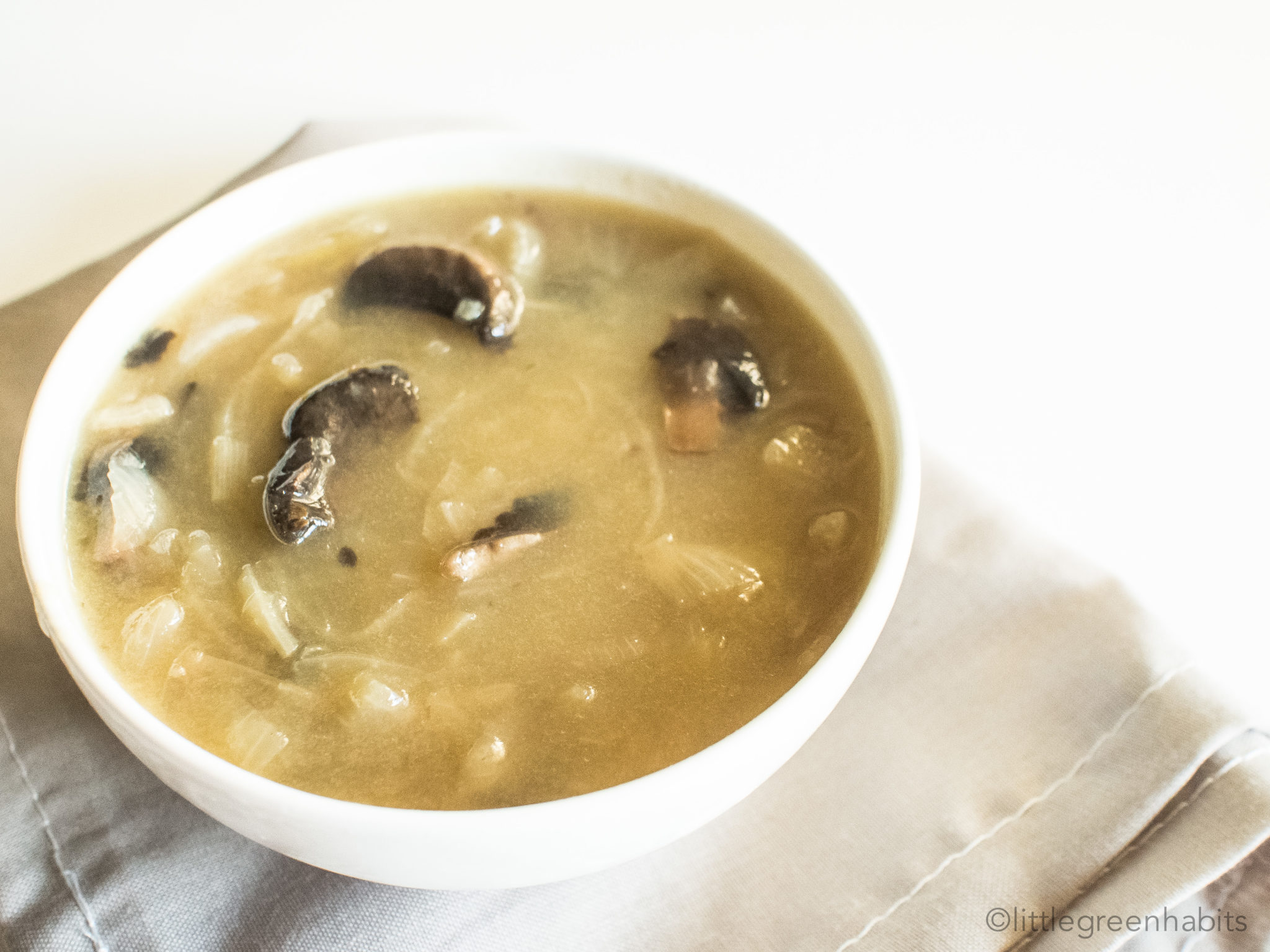
Here’s my dairy-free take to the traditional French onion soup. Made hearty and satisfying with the addition of mushrooms.

Why I love this soup

This soup is not only comforting and delicious, but it is also good for you. Both onions and mushrooms are loaded with antioxidants and cancer fighting properties. They also help boost the immune systems and are full of beneficial phytonutrients. Too many big words? Basically, just make this :)

Onion Soup with Mushroom-3

Vegan French Onion Soup with Mushrooms
Recipe Type: Soup
Author: Keren
Prep time:
Cook time:
Total time:
Serves: 4
Delicious, nutritious and satisfying bowl of onion soup with the hearty flavour of Mushrooms.
Ingredients
  • 2 tablespoon olive oil
  • 1 kg brown onions (6 large onion), Peeled & Quartered
  • 350g button or flat mushroom, sliced
  • 2 tbsp tapioca flour
  • 4 tbsp water
  • 4 cups vegetable stock
  • 1 tsp salt
  • 2 tsp muscovado sugar or brown sugar
Instructions
  1. Peel and half onions. Slice thinly with a knife or add to Cuisine Companion bowl and chop for 15 seconds using chopping blade at speed 5.
  2. Replace blade to stirring blade. Add olive oil and saute for 10 minutes at 100 C.
  3. Add stock and cook for 30 minutes at 100 C reduce to speed 4.
  4. Add mushroom and cook for 5 minutes/100 degrees/speed 4.
  5. Mix tapioca flour with 4 tablespoon water to form a smooth paste.
  6. Add tapioca paste to CC bowl and mix for 2 minute / 100 degrees / speed 4.
  7. Serve in soup bowls and season with salt and pepper.
Notes
P.S. If you don’t have Cuisine Companion you can make this on the stove top. Just follow the direction and use large pot to cook the soup, stirring as needed.

5 Last Minute Christmas Gift Ideas That Won’t Cost You A Cent

Christmas is just around the corner and most people I know have started turning their home into Christmas wonderland with their Christmas lights and decorations, baubles, tinsels and all. But if you’re like me, frantically busy trying to get everything done before the end of the year, it may feel less Christmas-y than it is craaazzyyy. If you haven’t bought your Christmas gifts yet, or if you are looking for something different this Christmas, you’re going to love this post. I’ve got some Christmas gift ideas that are not only great for last-minute gifts, but also won’t cost you a penny! But first, let me tell you how I feel about Christmas.

christmas-791150_1920

Growing up, Christmas was more of a religious event than a family tradition. There was no family Christmas lunch or dinner. We celebrated at church. We stopped putting up Christmas trees when I was eight and began celebrating Christmas very simplistically. I didn’t care. The best part about Christmas was that I didn’t have to go to school and I got to spend time with my parents, especially my dad. My dad runs his own business and doesn’t believe in silly things like having a holiday, so Christmas is one of the few days when he’s able (or forced to, I’m not sure) to take a few days off and spend time with us. The fact my birthday is on Christmas’s Eve makes the experience quite unique as well.

I believe Christmas is a very special time. It’s an occasion that passes in the blink of an eye if you don’t slow down and appreciate every second of it. I see people going nuts at the shops trying to get their Christmas shopping done at the last minute instead of enjoying the holiday season. Why would you do that to yourself?

kaboompics.com_Glamour Christmas Tree Ball

My approach to Christmas is quite simple. It’s less about the present than it is about having the opportunity to spend time with your loved ones: time to listen and sing Christmas carols; and time to pray, reflect, and appreciate the fact that you’re still here on this earth for yet another Christmas.

So here are my 5 Last Minute Christmas gift ideas that won’t cost you a cent, to help you enjoy this Christmas with less stress and more meaning. With just a bit of extra creativity, you can make Christmas a little bit special this year.

Christmas gift ideas

1. Make something with what you already have

Stop and look around you: old antique books, old prints, pretty jars, cake mixes, old empty CDs from the 90’s, those origami papers that have bee sitting for years in your drawer. Think of what can you make with the things you have available. Here’re some ideas:

  • Make a Christmas playlist either on a CD or on a USB
  • Make home made treats (cookies, cakes, chocolate, etc) with ingredients you already have at hand
  • Make art pieces like decorated jars, bowls, plates, etc.
  • Make a personalised cookbook with printed free online recipes
  • Make a photo book or photo collage

2. Re-gift old presents

Remember when you told yourself last year that you’re going to sell those unwanted presents on eBay one day? Yeah, it’s probably not going to happen. Save yourself the hassle and just re-gift it. You’ll save money from buying presents and the headache of putting stuff online and only getting pennies for it. To you, it could just another unwanted gift but to someone else, it could be what they’ve always wanted for Christmas.

On that note, you should also consider giving your ‘I’ll fit into that one day’ dress/pants/fill the blank to someone who can actually fit into it right now. It’ll make more room for new clothes you can buy when that day eventually comes.

3. Give a gift of time

I believe time is the most precious gift you can give to someone, especially to people close to you: your partner, your parents, children, or perhaps, your employees. Give them time off from their daily chores so they can enjoy themselves. Let your kids play till dawn, let your parents go out for bingo night, let your husband or wife have some personal time. Imagine telling them, “Sweetie, I’ll pick up all the housework, today you just go have fun”. How lovely would that sound?

4. Give an experience

It’s free, and yet it could be the best gift you could give someone. Use your God-given talent and give them an experience they’ll remember for years to come. Here’re some ideas:

  • Write a poem about them
  • Sing a song
  • Dance
  • Present a play, a video or a slideshow

You can do this live or even record yourself performing on video. Share it around and watch people smile.

dog-983023_1920

5. Give an act of service

Last but not least, an impressive gift doesn’t need to be a big expensive gift, or even one that costs money at all. An act of service could be the loveliest, most impressive and heartfelt gift you can give. It could be something small, something simple, and something that won’t cost you a dime. You can also tie it in with the gift of time. Write up your own voucher on a fancy paper (or your business card) with the particular service you wish to give. Put it in a nice envelope or inside your Christmas card. Here are some fun ideas on what type of services you could offer:

  • Give a massage. Even if you not so great at it. It would be a pretty impressive gift for someone who enjoys a bit of shoulder rub.
  • Cook something. Give the house chef a break and treat them with a breakfast or a dinner. Everyone has one dish they’re good at. This could be your time to shine in the kitchen.
  • Mind their furry babies. This could be the best gift for people with pets, especially if they intend to go away on holiday and need someone to look after Rover. You may also enjoy having some furry company around.
  • Clean something. Sounds horrible at first but it can actually be fun. The key is to aim small. Perhaps it’s the car, the laundry, the kitchen, or the dusty old trophies or paintings. Something small that you wouldn’t mind doing, and which would mean something to the recipient.

Each of us has something special and unique we can give in the spirit of Christmas. Be creative, be brave, be fun. What will you give this Christmas?

Vegan Cinnamon Scrolls With Chai Spice

Sometimes, there’s nothing I want more than a freshly baked vegan cinnamon scrolls.

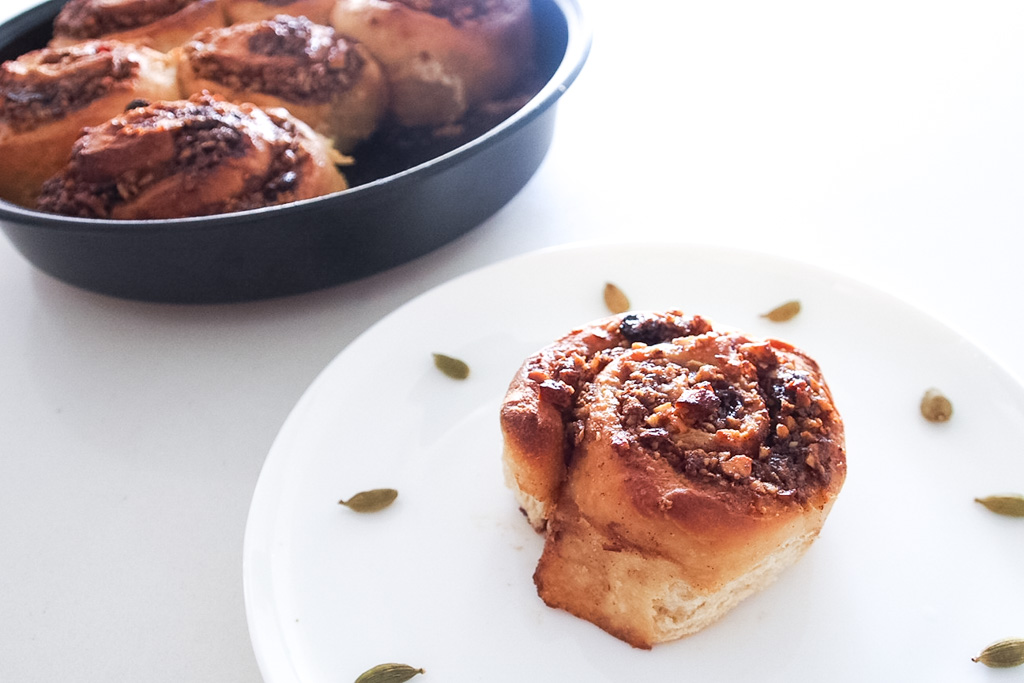
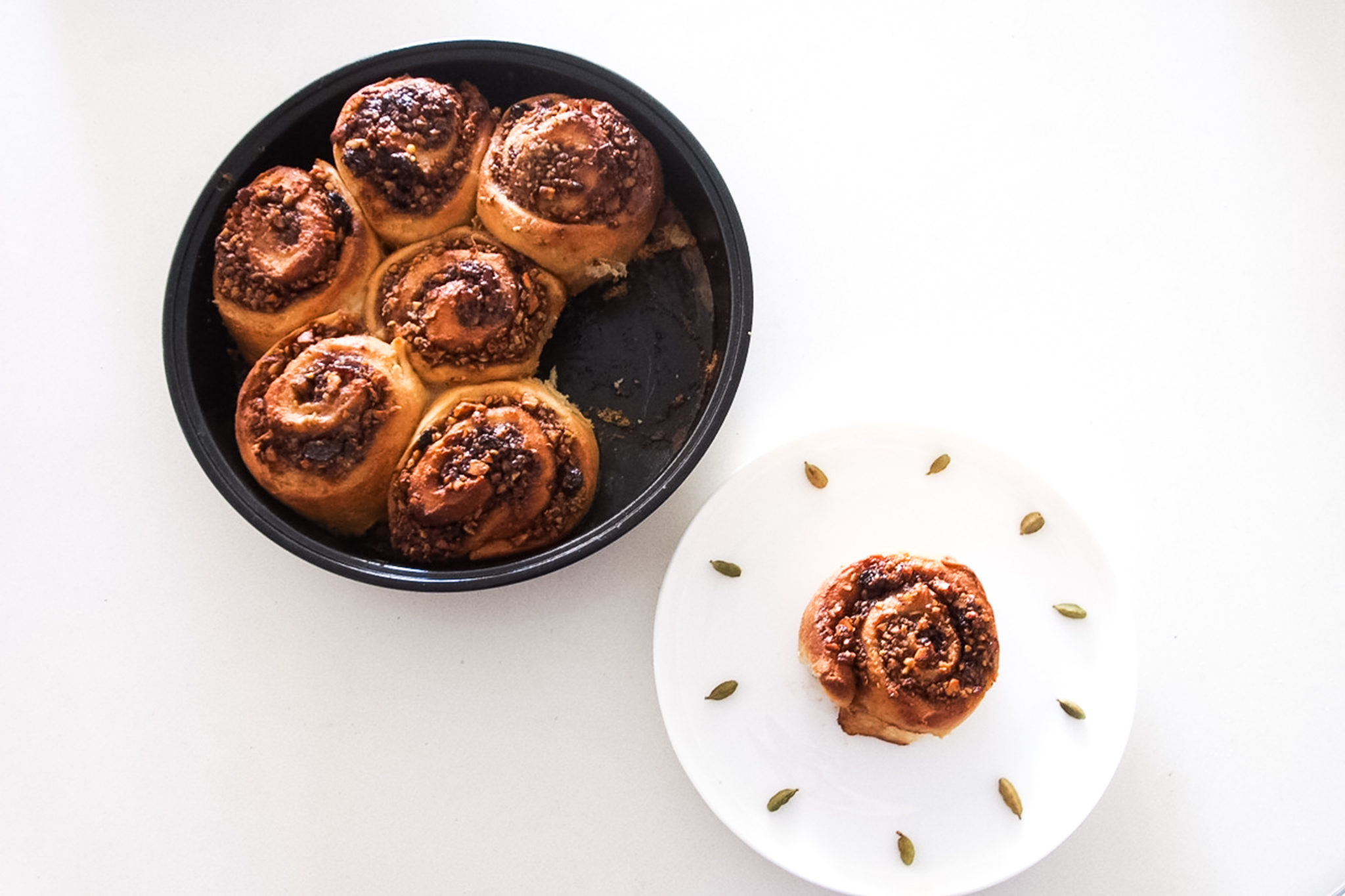
Vegan cinnamon scrolls

This recipe was a result of one of my spurs of the moment ideas. It was inspired by cinnamon scrolls recipe from The Joy of Vegan Baking by Collen Patrick Goudreau, which, I must say, is a must-have for anyone who loves baking.

Vegan Cinnamon Scrolls

So I was enjoying my second last cinnamon scroll I made a few days earlier over a cup of chai tea. It was soft and tender and it tasted so good and ‘matched’  the Rainbow chai tea I was having. Suddenly an idea came to me. Why not combine the two flavours together? It will be sweet, mildly spicy and nutty. Wouldn’t that be nice?

And just like that, these babies were born.

Vegan Cinnamon Scrolls With Chai Spice

Why I love these Vegan Cinnamon Scrolls:

They’re sweet, mildly spiced, comforting and, best of all, they smell amazing…

Chai spices are known for it’s health benefits, antioxidants and phytochemicals with cancer-prevention properties. It also tastes delicious. Though these scrolls don’t score high on the nutritional scale, it is significantly lower in sugar compare to your regular scrolls (especially if you include the icing glaze on top). Mashed banana is added in the dough mix, which makes the dough mildly sweet. As a result, you don’t need a lot of sugar for the filling and you won’t even miss the glaze. It’s has a delicate spicy taste and did I say it smells amazing?

Vegan Cinnamon Scrolls With Chai Spice 

Ingredients

Yeast Mixture

  • 1 cup non dairy milk
  • 1/2 cup non-dairy butter
    1 teaspoon raw sugar
  •  4 teaspoons of instant dry yeast

Chai Spiced Nut Filling

  • 1/4 cup brown sugar (packed)
  • 1/2 cup walnuts (you can also use other nuts or mixed nuts)I’m 
  • 1/4 cup non-dairy butter (I use Nuttelex)
  • Chai spice:
    • 1/4 tsp ground cloves
    • 1/4 tsp ground ginger
    • 1/4 tsp ground nutmeg
    • 1 tsp ground cardamom
    • 1 tbsp ground cinnamon

Dough mix

  • 5 cups plain flour (separate 1 cup aside)
  • 2 medium ripe banana, mashed
  • 3 tsp egg replacer powder
  • 6 tbsp water
  • 1 tsp sugar
  • 1 tsp salt

Step 1. Proof the yeast

  1.  Combine the milk, butter and sugar in a bowl. Warm the mixture in the microwave for 30 seconds on in a small pot on the stove. The mixture shouldn’t be too hot to put your finger in.
  2. Add the dry yeast into the mixture. Set aside for 10 minutes. You should see foam and bubbles forming on top of the yeast mixture. If not, your yeast may be too old and no longer active in which case, you’ll need get a fresh yeast pack.

Step 2. Prepare your dough

  1. Whip together the egg replacer powder with the water using a fork until it’s thick and creamy.
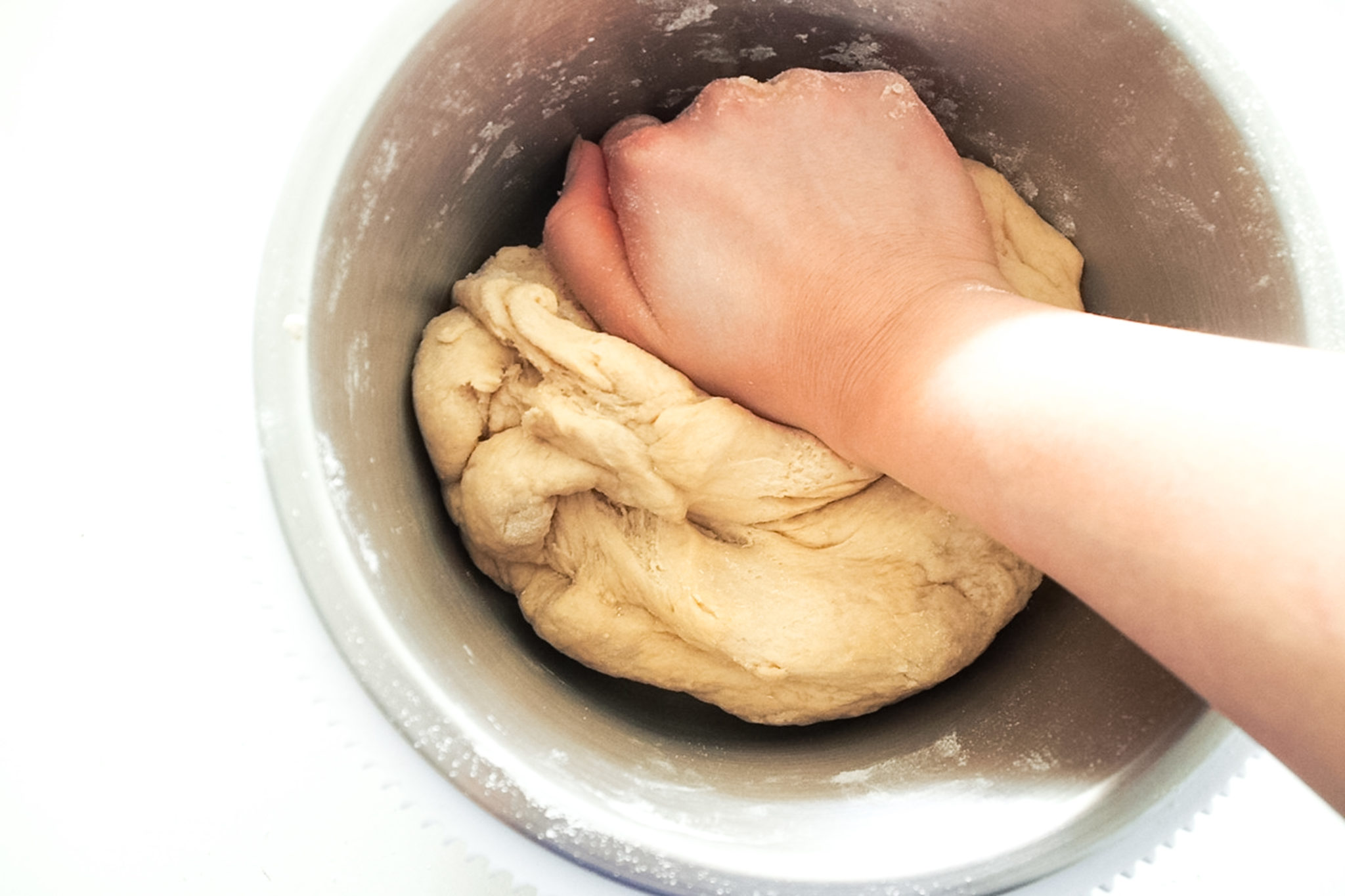
  2. Using Cuisine Companion with chopping blade: Add 4 cups of flour into CC. Add the yeast mixture and press P2 pastry setting.
  3. Check after 1 minute. If the mixture is too sticky, add more flour 1 tablespoon at a time using the 1 cup of flour you set aside.
  4. Let the program continues until it completes the proofing stage.

Step 3. Prepare the Chai Spiced Nut filling

  1. Prepare CC with chopping blade. Finely chop the walnuts or process in CC into rough crumbs. Speed 5, 15 seconds
  2. Add the remaining ingredients and mix. Speed 5, 5 second.

Step 4. Make the scrolls

  1. Once the dough has risen, fold it out onto a lightly dusted surface and spread out the dough with a rolling pin into a big giant rectangle until the dough is about a ¼ of an inch thick.
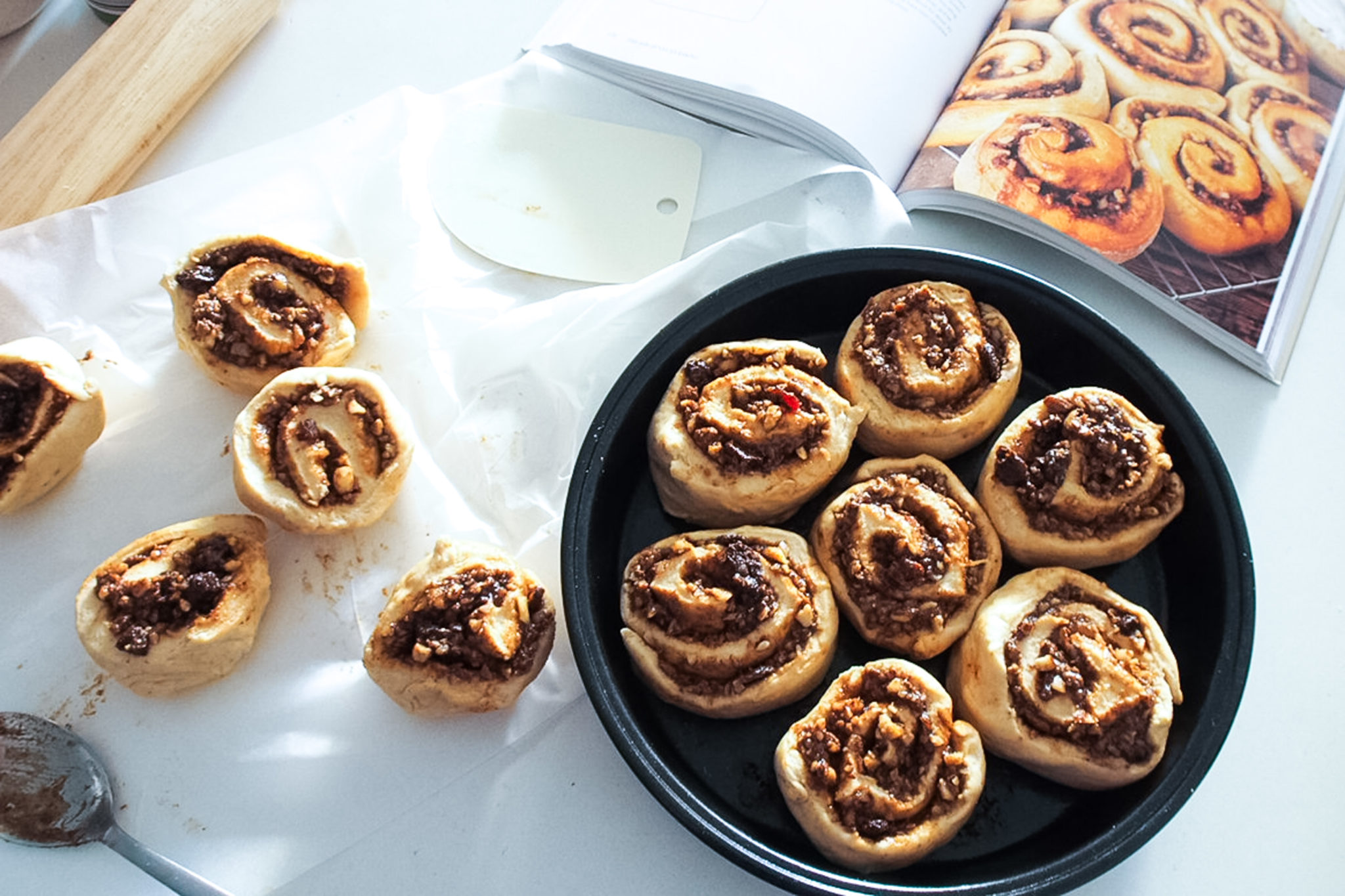
  2. Spread the filling around the whole dough. Carefully roll the dough into a log and pinch the edge to seal. Slice into 8 equal pieces.
  3. Leave for another 30 minutes to 1 hour to rise slightly.
  4. Arrange the pieces on a greased baking pan and then pop them in the oven
  5. Bake on 190 degrees Celsius (375 Fahrenheit) for 25-30 min.

Note:

  • You can knead the dough using an electric mixer if you don’t own a cuisine companion. You can also knead the dough by hand if you don’t own an electric mixer.
  • You can also use 2 tablespoon of chai tea mix (the one with dried herbs and spices, not powder) to replace the chai spice ingredients. Ground before using.

Vegan Cinnamon Scrolls With Chai Spice

Did you make this recipe?

Please let me know how it turned out for you! Leave a comment below and/or share a picture on Instagram with the hashtag #littlegreenhabits. I’d love to hear from you.

Dandylion, Bondi

A few months ago I attended a Meetup event at Dandylion – a new hip vegan friendly restaurant situated in North Bondi. There were about 20 of us and we had the 6-course vegan degustation menu. I can’t remember the last time I had a degustation dinner as a vegan so I was pretty excited, to say the least.

Dandylion - Cucumber and seitan

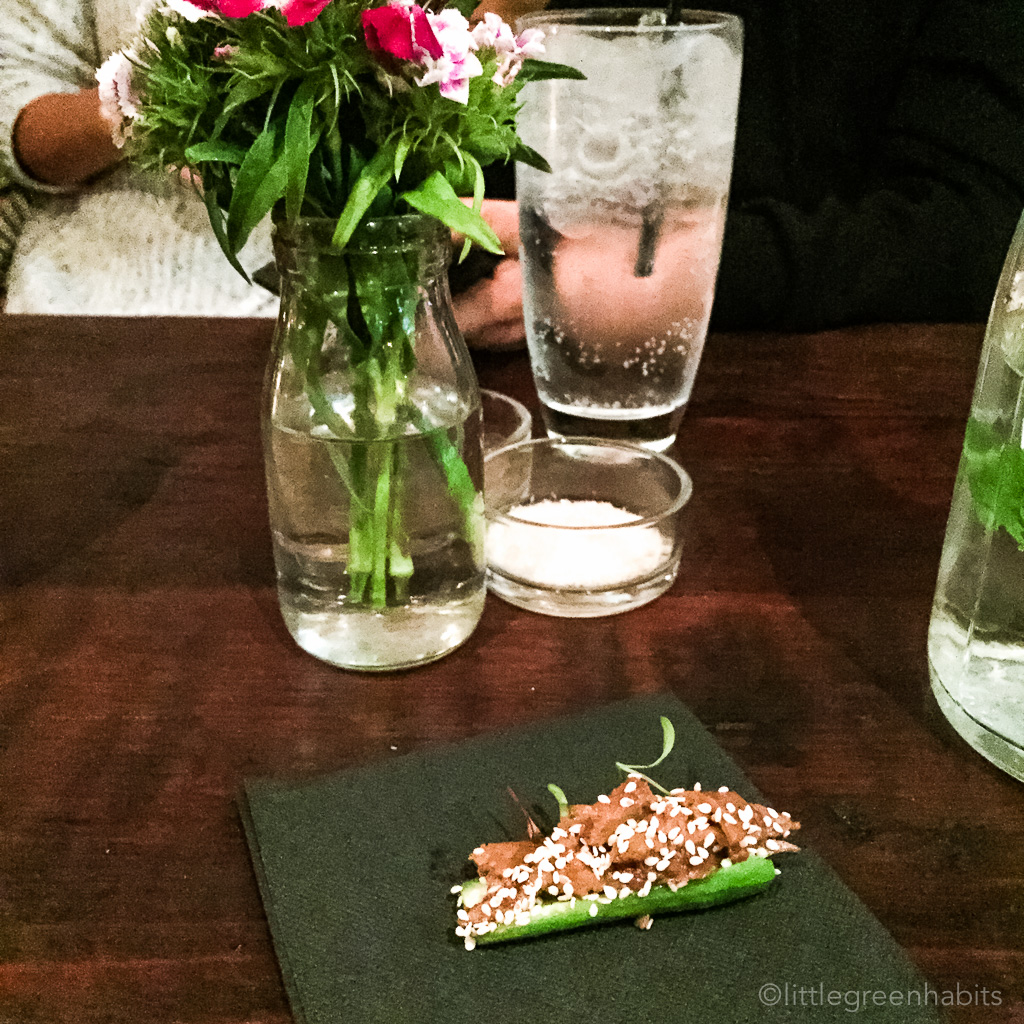
Cucumber and seitan

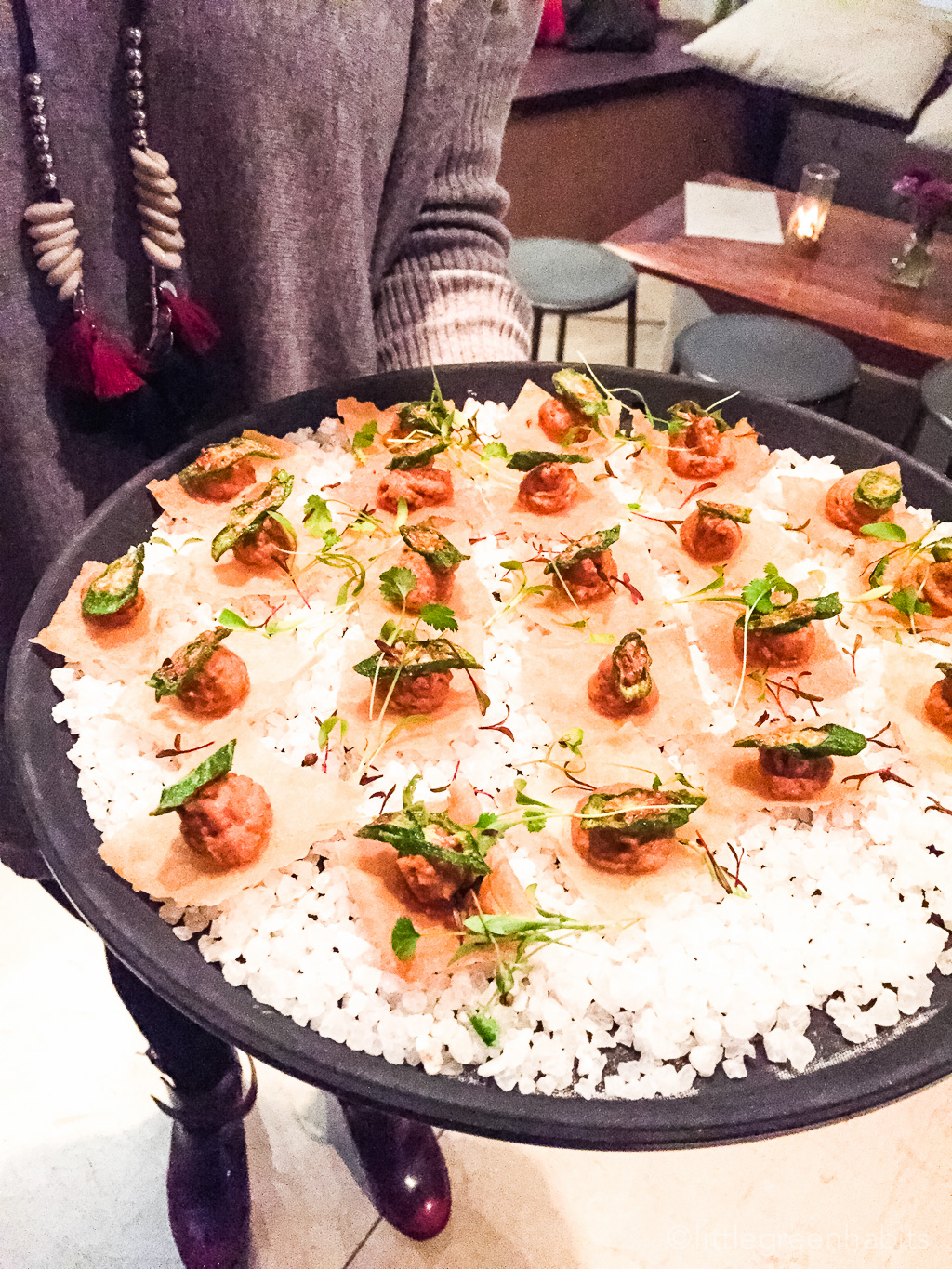
We had two antipasti dishes: (1) Cucumber and seitan (cucumber half filled with bbq-flavoured seitan and sesame seeds) which was fresh and flavourful; and (2) Sesame wonton and crisp chickpea mousse – crunchy, creamy mousse which was delicious. The dishes were great but unfortunately they were only bite-size pieces… I wish I could have had seconds!

Dandylion - Sesame wonton and crisp chickpea mousse

Sesame wonton and crisp chickpea mousse

I forgot (or more accurately, was too hungry to wait) to take pictures of the second dish – Beetroot Carpaccio with wild rocket, walnut, piquant vegan cheese & aged balsamic dressing. I recognised the piquant cheese used for this dish: the Vegusto No Muh Piquant cheese. The salad was seriously good! Fresh, slightly tangy, mildly sweet and just yum!

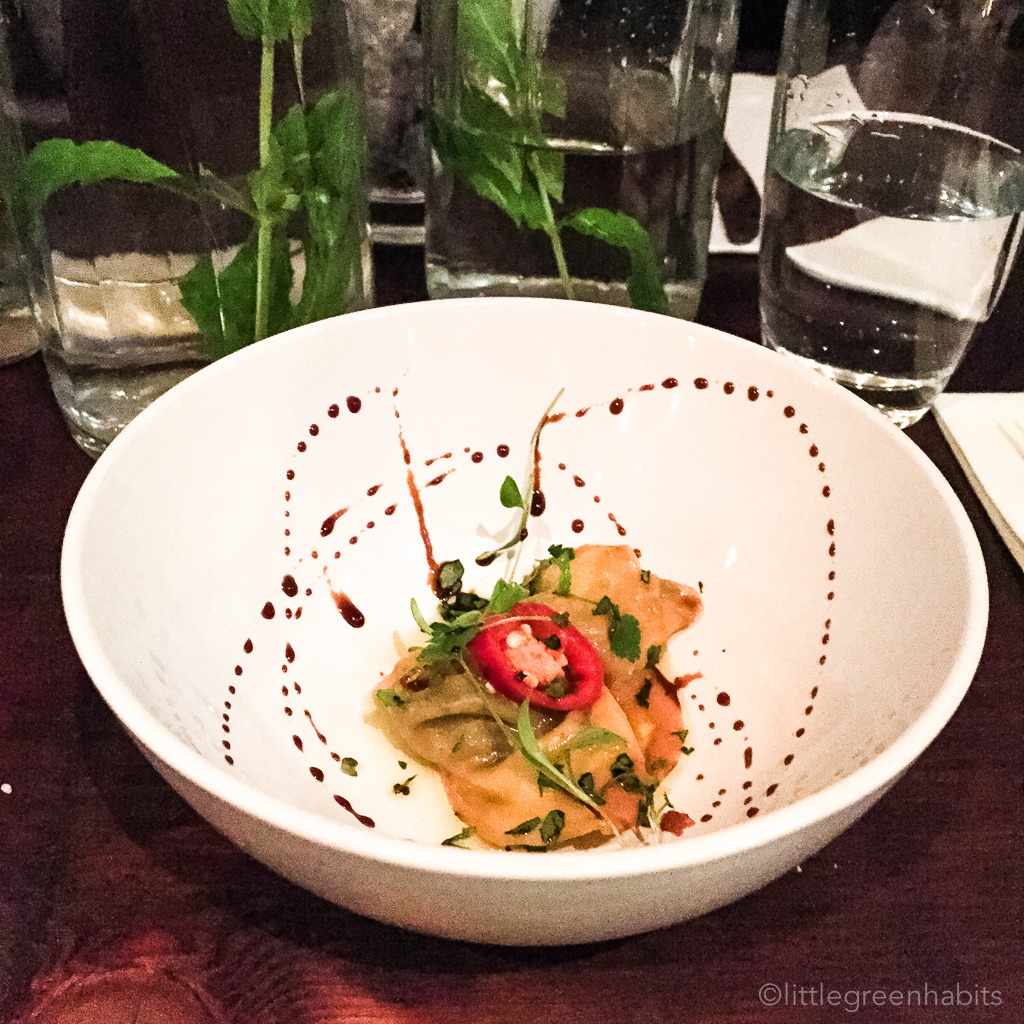
Caramelised tempeh, shitake mushrooms & kale dumplings with chilli & miso spicy sauce was the next course. This was my favourite dish. Even though I found the dumpling skin a tad undercooked for my liking, the filling was very delicious. It had a nice balance of salt, sweets and spices and it was full of ‘umami’ taste. I just couldn’t get enough of it.

Dandylion - Caramelised tempeh, shitake mushrooms & kale dumplings with chilli & miso spicy sauce

Caramelised tempeh, shitake mushrooms & kale dumplings with chilli & miso spicy sauce

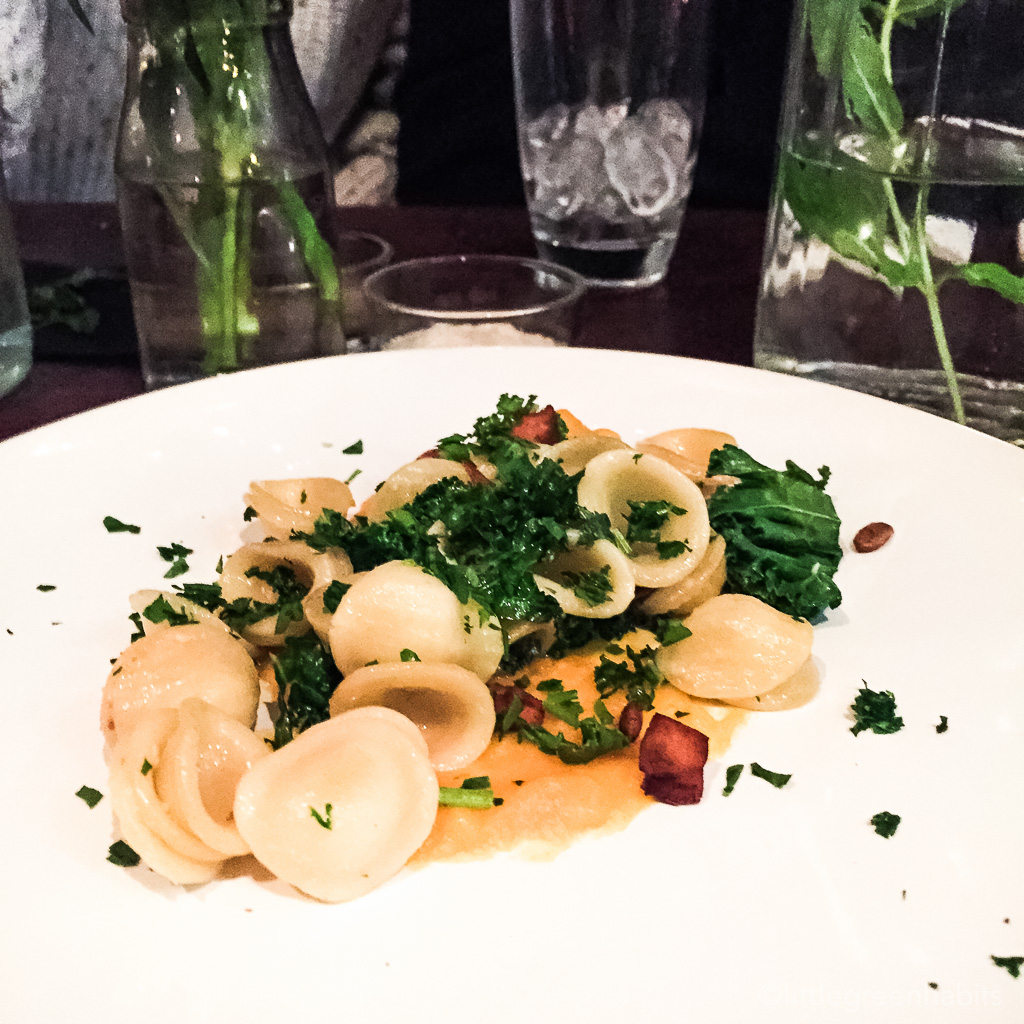
Next up: Orechiete with kale & maple sweet potato sauce. The shell pasta was cooked to perfection and the sweet potato sauce makes you forget that it’s dairy-free. It’s so creamy and rich. A generous sprinkle of coconut ‘bacon’ bits doesn’t hurt either.

Dandylion - Orechiete with kale and maple sweet potato sauce

Orechiete with kale & maple sweet potato sauce

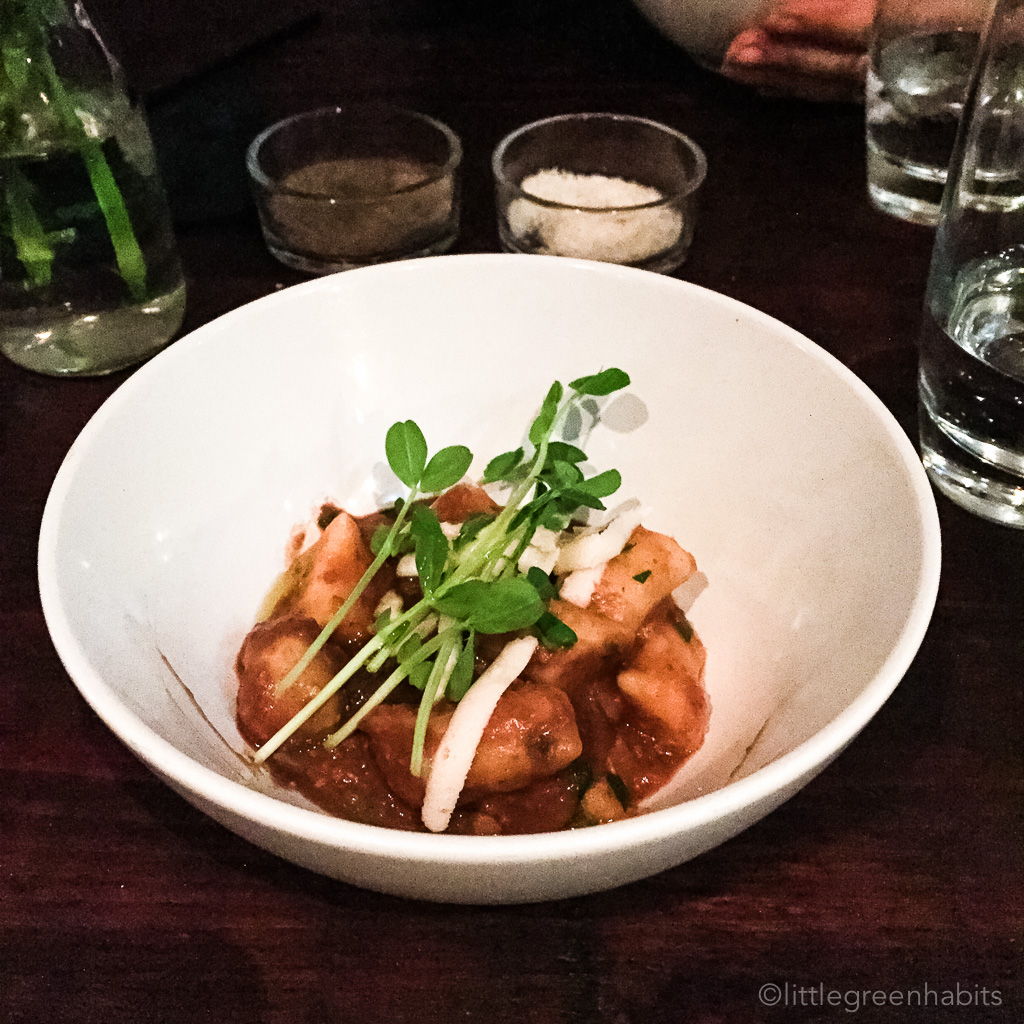
The second last dish was Gnocchi with tomato based walnut sauce. Soft pillows of gnocchi with rich and ‘meaty’ sauce.

Dandylion - Gnocchi with tomato based walnut sauce

Gnocchi with tomato based walnut sauce

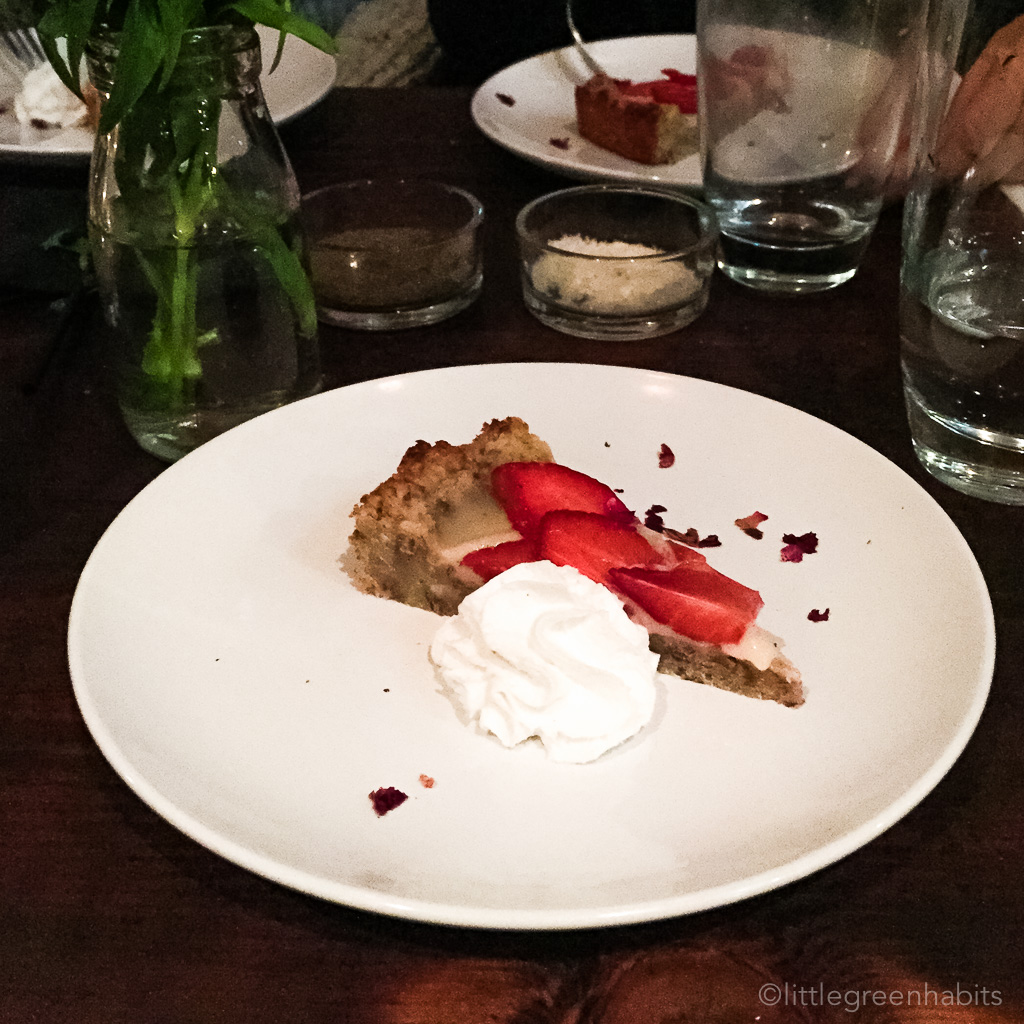
And dessert comprised of Tarta Tatin almonds, rose water & strawberry. It was a lovely dessert to cap off things – mildly sweet, rich and nutty. I loved the whipped coconut cream.

Dandylion -Tarta Tatin almonds, rose water & strawberry

Tarta Tatin almonds, rose water & strawberry

It was a delightful degustation meal. And the best thing was how easy it was to forget that they were ‘vegan’ dishes, which is always an indication of great cooking.

The Meetup event was a success, I met lots of friendly vegan foodies and had great time talking about veganism, food (mostly food) and how good the food is at Dandylion. As vegans and vegetarians, we are so used to putting up with served sub-standard meals at restaurants which often have no clue how cook delicious food without animal products. It was a real treat to experience something of this quality.

Dandylion has certainly lived up to its vision to present vegetarian food that is full of flavor, hearty, and delicious. Combined with great drink selections and a hip interior, it’s definitely going to be one of my favourite places to go to in the Eastern Suburbs.


Love and greens,

Keren


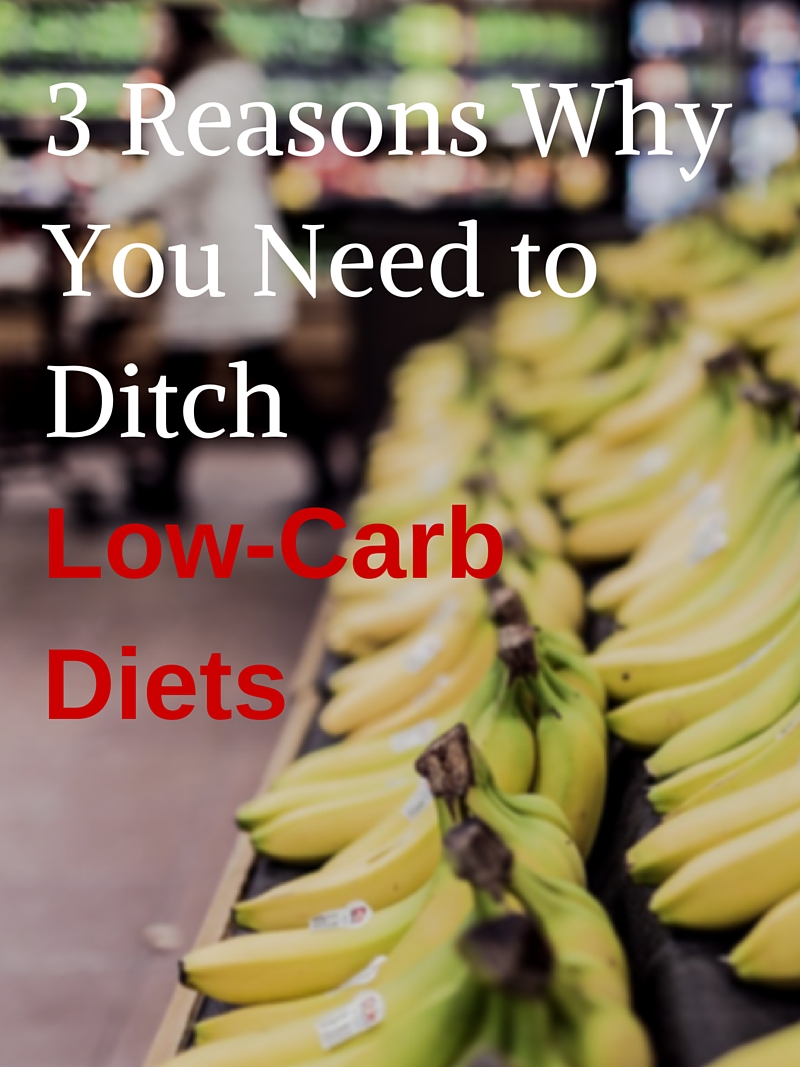
3 Reasons Why You Need to Ditch Low-Carb Diets

The great ‘low-carb’ con

Low-carb fad diets such as Atkins and Paleo have gained a lot of attention (and sales) from the general public, hungry for solutions to our ever-growing obesity problem. The basic premise is essentially the same – cut right down on carbohydrate foods such as bread, potatoes and pasta, and focus mainly on animal protein and fat, with some vegetables thrown in.

The idea with these diets seems to be that if you fill up on protein-rich foods such as eggs and meat, you won’t crave the foods such as bread, pastries and sweets that supposedly make you fat.

Certainly there are reports of some people losing weight on these diets, and then extolling their virtues. On the flip side, anything to do with grains, legumes and even soybean products have been demonized as causing weight gain, high cholesterol, and dietary intolerances (particularly gluten). This anti-grain anti-legume stance appears to me to be a vague attempt to revert back to a mystical, mythical past where he-men with spears and six-packs hunted down mastodons with Amazonian women applauding from the sidelines. The problem is, it’s all a giant con.

The fact that the vast majority of animals bred and killed for food are genetically mutated, artificially inseminated, and in many cases housed in filthy, cruel and unnatural factory farms (a relatively recent development), doesn’t seem to concern people who are happy to reject established grain crops that have been cultivated and consumed for many thousands of years (long before anyone had heard of an ‘obesity epidemic’).

Why you should ditch low-carb/high animal fat and protein diets

Low Carb Diet


1. Eating too much meat and animal fat is bad for humans, period.

Excessive meat and egg consumption has been linked to a host of health problems, including some cancers, heart disease and high cholesterol. Although most people are omnivores, our teeth and digestive system are much closer to those of herbivorous animals. Too much meat in our system, along with not enough fibre, clogs up and causes a toxic reaction, which simply does not happen with true carnivores like cats or dogs, with their much shorter digestive tract and stronger stomach acid. Saturated fats and cholesterol from animal products further clog our arteries and lead to atherosclerosis, heart disease and stroke.

  • For example, a study reported by ABC News in March 2014 showed that consumption of animal-based protein is linked to an increased risk of early death for people in their 50s and early 60s. The study, published in the journal Cell Metabolism, found that more than 6,000 American adults between the ages of 50 and 65 with diets high in animal protein were 74 percent more likely to meet an untimely end than those who consumed less animal protein or got their protein from non-animal sources. For deaths due to cancer, the risk was four times higher. Eating plant-based proteins like nuts and beans seemed to reverse the unhealthy trend.

According to Dr Joel Fuhrman, “Animal protein also elevates IGF-1, which is not only associated with cancer, but cardiovascular disease as well. High-protein, low-carbohydrate diets have now been linked to increased risk of cardiovascular disease and premature death.”

  • A low-carbohydrate diet high in animal products is associated with an increased risk for dying. As reported by the American Heart Association, researchers analyzed the diets of 4,098 women and men who had previously had heart attacks. They found they were 33 percent more likely to die from any cause and 51 percent more likely to die from heart disease if following a low-carbohydrate diet high in animal sources of protein and fat, compared with those whose dietary patterns consisted of fewer low-carb, animal-based products. Source: PCRM

Meat

2. Avoiding fruit, vegetables, whole grains and legumes means that you are less able to prevent disease and premature death.

  • A study presented at the European Society of Cardiology Congress and reported by the Physician’s Committee for Responsible Medicine, daily intake of fruit may decrease the risk of heart disease by as much as 40 percent. To quote from the PCRM News site, researchers followed 451,681 participants for seven years and found that in addition to reducing the risk of heart disease, daily fruit consumption reduced the risk of dying from heart disease and stroke by 27 percent and 40 percent, respectively, compared with less than daily fruit consumption.
  • Another study published online in the European Journal of Nutrition found that reducing dietary fat while increasing carbohydrate intake is best for people with type 2 diabetes. Researchers followed the diets of 1,785 type 2 diabetes patients as part of the TOSCA.IT Study, and found that an increase from less than 45 percent to 60 percent or more in complex carbohydrate intake lowered all levels of triglycerides, LDL cholesterol, and HbA1c. They also found that increasing fibre and lowering added sugar intakes also had positive effects on cholesterol and blood sugar levels.
  • A meta-analysis published in the American Journal of Cardiology and reported by PCRM found that adding whole grains to your diet may protect against our biggest killer, heart disease. Researchers summarized results from 18 studies that included 400,492 total participants, of which 14,427 had diagnosed coronary heart disease. The studies showed that people who ate the most whole grains experienced a lower risk for heart disease when compared to those who consumed the least.


dreamstime_s_25585145

3. High-carb diets are best for weight loss

dreamstimesmall_21199981

Good Carbs, Bad Carbs

By way of definition, ‘bad carbs’ are made from highly processed ingredients, such as refined white flour and sugar. Think donuts, muffins, cookies and cakes. They are made from flour with much of the fibre and goodness stripped out, and often mixed with loads of animal fats in the form of butter, milk and eggs. It’s unlikely that anyone would promote these types of foods as appropriate for healthy weight loss, let alone a healthy diet.

‘Good carbs’, on the other hand, refer to relatively unrefined or whole foods, foods such beans, lentils, chickpeas, quinoa, buckwheat, barley, and oats. This list would also include wholemeal bread, wholemeal pasta and brown rice. For good carbs think of foods close to, or within their natural state, and naturally high in fibre, and low in fat and sugar.

And don’t forget, good carbohydrates also include nutrient-rich, low-calorie vegetables and fruit, which, due to their high fibre, vitamins, minerals, antioxidants and phyto-chemicals, should form the bulk of your caloric intake.

dreamstimesmall_23290441

How much carbs should you eat?

The truth is that rather than avoid carbs, we should base our diet on whole-food carbohydrates. These provide a host of health benefits, as well as being a major source of energy. Based on my research, medical advice and experience, I advocate a whole-food plant-based diet, following classic 80-20 principles. By that I mean, basing your diet roughly on 80% good, high-fibre carbohydrates, including fresh vegetables and fruit, beans, legumes, whole grains, and 20% fats and plant protein.

Plant-food nutrition expert and guru Dr T. Colin Campbell, in his recent book ‘The Low Carb Fraud’, outlines some of the unsavoury side-effects of a low-carb diet: more headaches, bad breath, constipation, and muscle cramps.

Even more alarming was a report on the low-carb diet and health, referred to by Dr Campbell in his book, which was a summary of 17 studies published in January 2013 involving 272,216 subjects. According to this report a low-carb diet showed a statistically significant increase in total deaths.

By contrast, Dr Campbell summarizes the benefits of the WFPB – Whole Foods Plant Based – diet, which provides “an exceptionally rich bonanza of anti-oxidants, complex carbohydrates, and optimum intakes of fat, protein, vitamins, and minerals; many of which contribute to disease prevention.”

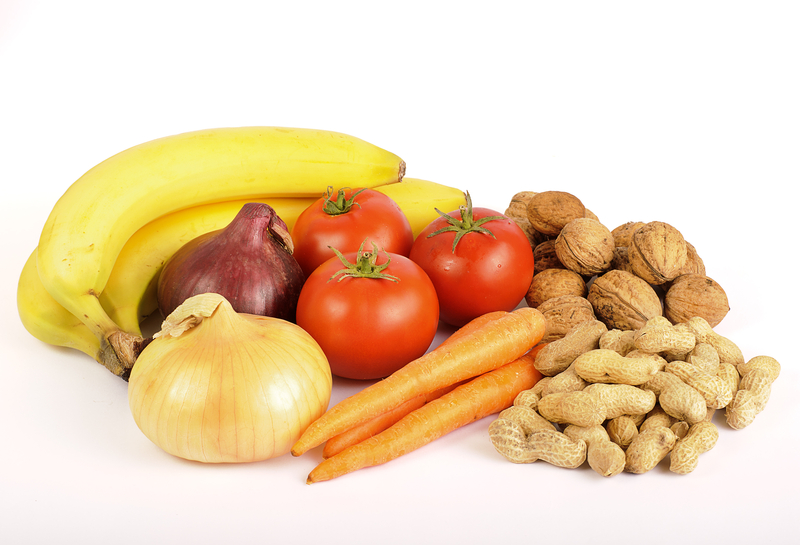
Carbohydrates, available almost exclusively from plants, provide the body with the most efficient form of energy, and is the only source of fuel for the brain. Whole-food carbs include the most nutrient-dense foods on the planet: vegetables, fruit, beans, whole grains, seeds and nuts. Foods that all of us should base our diet on.

Tom Perry

Meat, Cancer and prevention, Paleo myths, Statins and Heart Disease risks

GNN

One of my top 5 nutrition news items this week focuses on recent controversial research indicating that red and processed meats cause cancer. This research, published by the WHO (World Health Organisation), received a lot of publicity online and in the mainstream media. What isn’t quite as well publicized are dietary guidelines for preventing cancer. According to the Physicians’ Committee there are 6 main dietary guidelines for cancer prevention.
There was also recent Aussie research punching more holes in Paleo dogma, and Dr Fuhrman’s advice on the dark side of statin drugs, used for people (like I was) with high cholesterol. Then, related to high cholesterol levels, a video report by Dr Michael Greger from Nutrition Facts about the dangers of moderation when it comes to preventing heart disease.

Red and Processed Meats Cause Cancer
barbecue
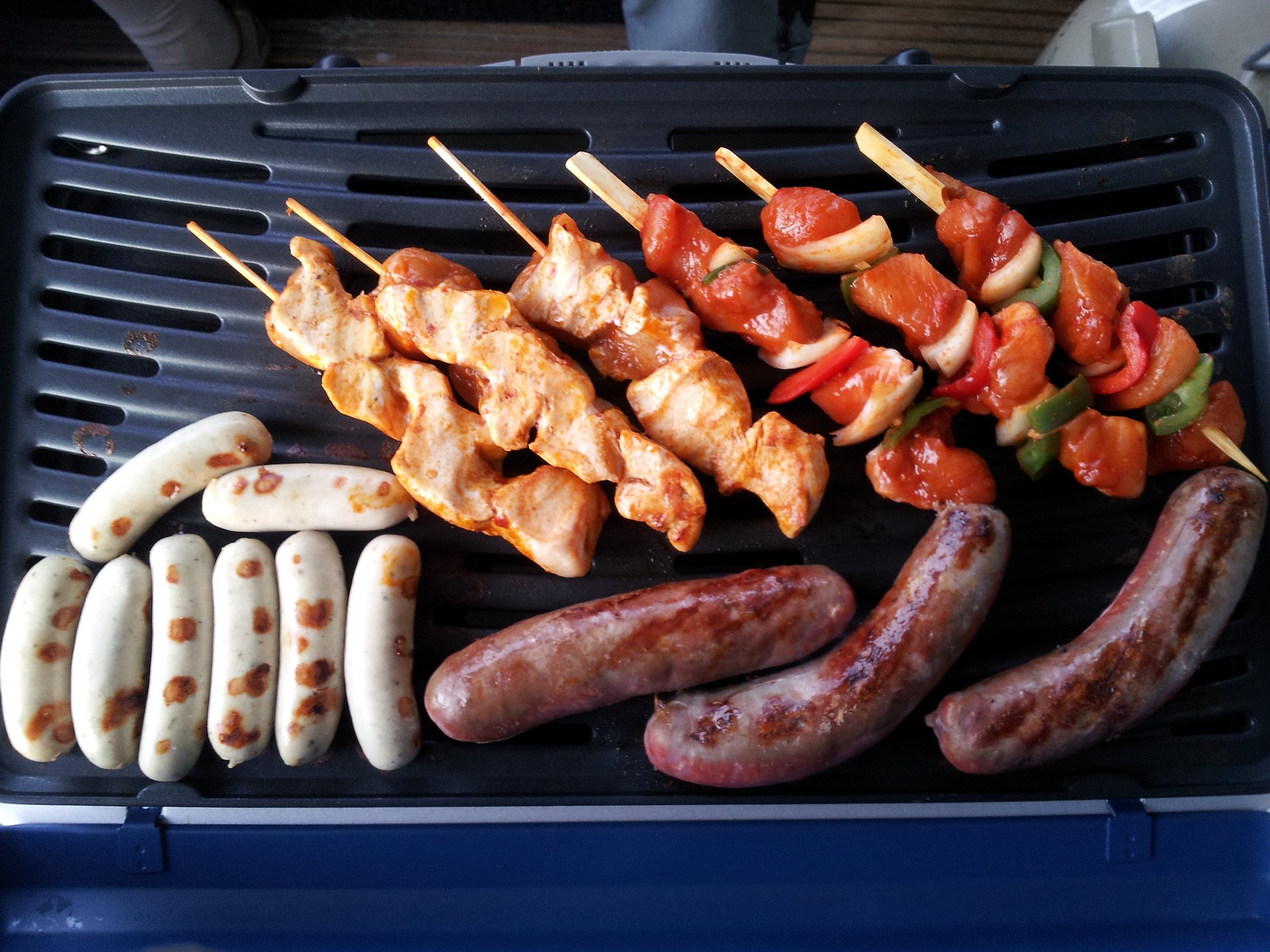
A UN health body has ranked bacon, sausages and ham among most carcinogenic substances along with cigarettes, alcohol, asbestos and arsenic.

The World Health Organization (WHO) recently released a report that found that meat, especially processed meat, causes cancer.

A panel of 22 international experts reviewed decades of research and conducted a meta-analysis of over 800 studies on the link between red meat, processed meats and cancer.

The panel found a 17% increase in risk for colon cancer per 100 grams of red meat consumed; and an 18% increase risk with 50 grams of processed meat consumed, and quoted figures suggesting that 34,000 cancer deaths a year worldwide were attributable to diets high in processed meats.

According to Kurt Straif, an official with the World Health Organisation’s International Agency for Research on Cancer, which produced the report:

“For an individual, the risk of developing colorectal cancer because of their consumption of processed meat remains small, but this risk increases with the amount of meat consumed.”

“In view of the large number of people who consume processed meat, the global impact on cancer incidence is of public health importance.”

Researchers also found links between red and processed meat products and stomach, pancreatic, and prostate cancers.

*Yet another recent study found that two or more servings of red or processed meat a week can increase your risk for colorectal cancer.

As researchers looked at dietary data from the UK Biobank, encompassing 500,000 men and women, for red meat consumption and bowel cancer incidence rates. Participants who ate red meat four or more times per week had a 42% increased risk for colorectal cancer, compared with those who ate it less than once per week.

An estimated 21% of bowel cancers in the UK are linked to eating red and processed meat.

Dietary Guidelines for Cancer Prevention
soup-1006694_1920
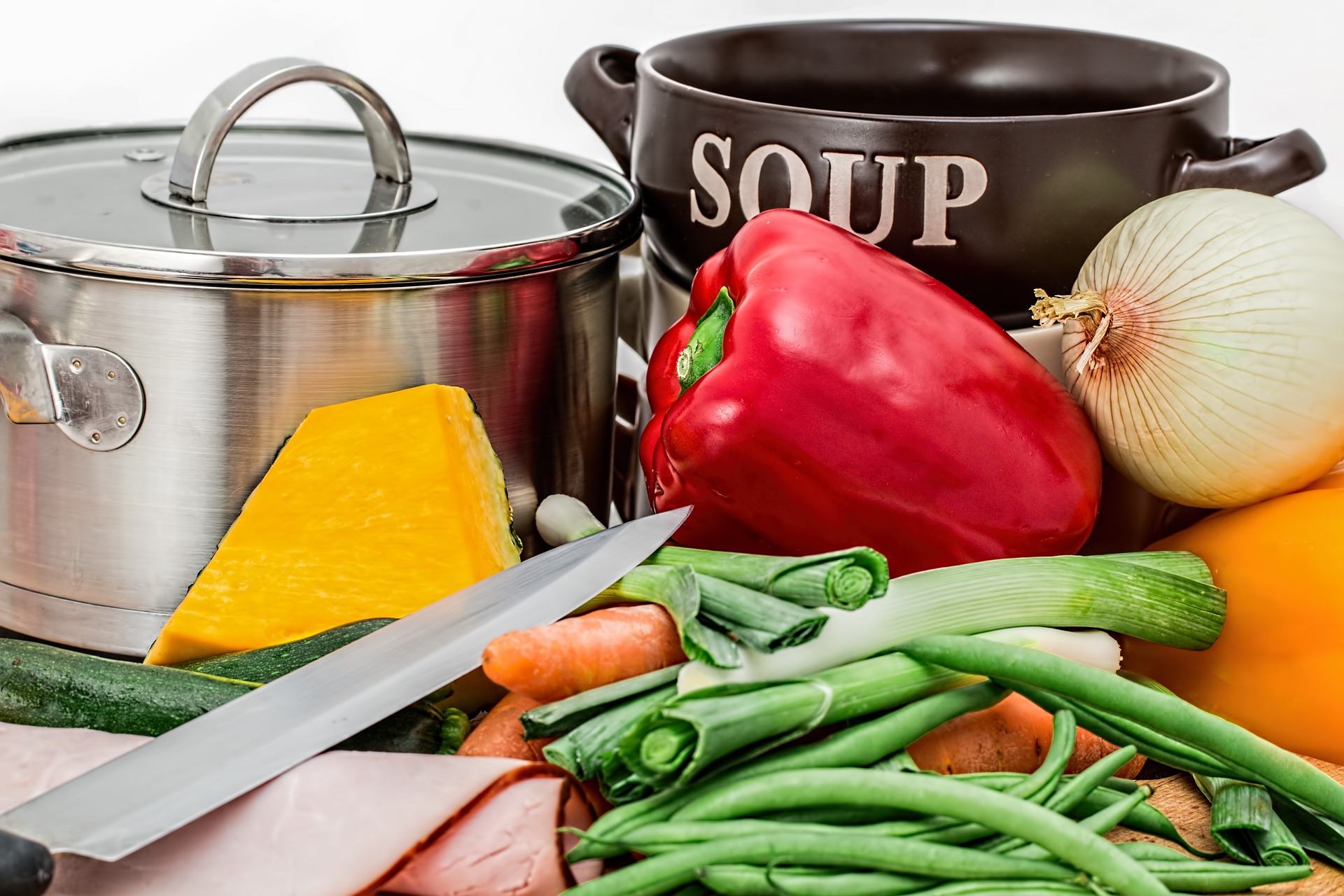
Aside from the wealth of evidence linking meat to cancer, what about foods that actually protect against cancer?

In June 2014 PCRM reported on a study published in the Journal of the American College of Nutrition, that advocates a diet rich in plant-based foods, such as soy beans and cruciferous, allium, and carotenoid vegetables.

“The key recommendation is to build meals around fruits, vegetables, and legumes,” said study author Neal Barnard, M.D., president of the nonprofit Physicians Committee and an adjunct associate professor of medicine at the George Washington University School of Medicine and Health Sciences.

“Plant-based foods provide an antioxidant boost and help promote a healthy weight, reducing the risk for all types of cancer in the long run.”

Among the six dietary recommendations were foods that help to reduce cancer risk:

Guideline #5. Consume soy products to reduce risk of breast cancer and to reduce the risk of recurrence and mortality for women previously treated for breast cancer

Findings: “Evidence from Asian and Western countries shows that soy products are associated with reduced cancer risk. Chinese women who consume more than 11.3 grams of soy protein, equivalent to half a cup of cooked soybeans, each day during adolescence have a 43% reduced risk of premenopausal breast cancer, compared with women who consume 1.7 grams.
“Research in Shanghai shows that women with breast cancer who consume 11 grams of soy protein each day can reduce mortality and risk of recurrence by about 30%.  U.S. populations show similar findings: the higher the isoflavone intake from soy products, the less risk of mortality and recurrence in women with breast cancer.
Note: “When choosing soy products, opt for natural forms, such as edamame, tempeh, or organic tofu, as opposed to soy protein concentrates and isolates, common in powders and pills.”

Guideline #6. Emphasize fruits and vegetables to reduce risk of several common forms of cancer.

Findings: “Fruits and vegetables, especially leafy greens, help reduce overall cancer risk. A high intake of cruciferous vegetables, such as broccoli, kale, and cabbage, is associated with an 18% reduced risk of colorectal cancer and reduced risk of lung and stomach cancers.

“Women who consume the most carotenoid-rich vegetables, such as carrots and sweet potatoes, lower their risk of breast cancer by 19%. Overall, women who consume the highest quantities of any kind of fruit or vegetable reduce breast cancer risk by 11%.  A high intake of tomato products has been shown to reduce risk of gastric cancer by 27%. Garlic and other allium vegetables, such as onions, significantly reduce risk for gastric cancer, while a Western diet (high amounts of meat and fat with minimal amounts of fruits and vegetables) doubles the risk.”

*We thank and acknowledge Dr Barnard and the Physicians Committee for Responsible Medicine for information about this study and dietary guidelines.

Paleo cops a punch as researchers highlight importance of carbs for human evolution

Paleo Man
A new Australian study, recently reported in the Brisbane Times online, questions the Paleo diet’s claimed role in fuelling human evolution, as proposed by Vaclav Smil, author of Should We Eat Meat?: Evolution and Consequences of Modern Carnivory:

“Killing animals and eating meat have been significant components of human evolution that had a synergistic relationship with other key attributes that have made us human, with larger brains, smaller guts, bipedalism and language,”  – Vaclav Smil.

However this new study, which was co-written by researchers from the University of Sydney, challenges the belief that meat deserves all the credit for our rapid rise in the evolutionary stakes. According to the researchers, starchy carbohydrates “were essential for the evolution” of the human brain nearly 1 million years ago.

The human brain uses as much as 25% of the body’s energy and up to 60% of blood glucose, the researchers say, which is not consistent with a low-carbohydrate diet.

“The research is a blow to advocates of the Paleo diet, which shuns starch-rich vegetables and grains,” according to the University of Sydney.

“The evidence suggests that Palaeolithic humans would not have evolved on today’s ‘Paleo’ diet,” said Professor Jennie Brand-Miller, one of the study’s co-authors.

“After cooking became widespread, starch digestion advanced and became the source of preformed dietary glucose that permitted the acceleration in brain size,” co-author Professor Les Copeland said.

“There was no one Paleo diet,” said dietitian Dr Joanna McMillan. “Humans were smart enough to learn how to get nutrition from eating certain plant foods by cooking and other means of preparation [soaking for example]. In that we differ from other animal species.”

Dr McMillan expressed her hope that this research will help put an end to the fashion of carb-phobia.

* Refer to our blog post for more information about Paleo vs Plant-based diets.

Risks Associated with Statin Drugs
pills
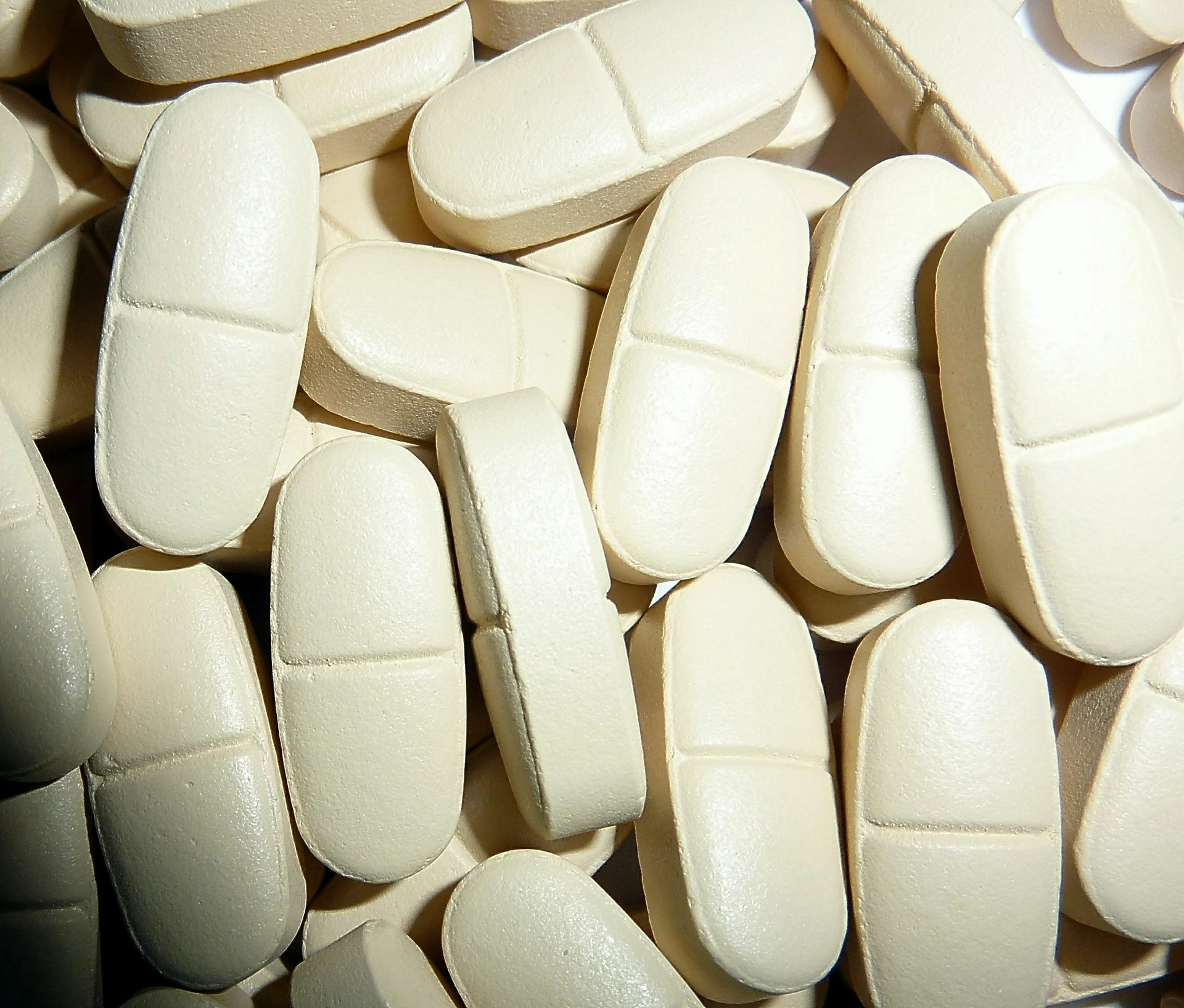
I have taken Lipitor, a statin drug, for over 2 years now. Statins are drugs which block an enzyme in the liver involved in the production of cholesterol. They are very effective, as I can personally attest to, and they are one of the most prescribed types of drugs in the world.

Too much cholesterol in the bloodstream can lead to the build-up of atherosclerotic plaque, and is a major risk factor for heart disease.

In an article by Dr Joel Fuhrman, a 2010 study looked at the medical records of 2 million statin users. The study found “increases in the risk of liver dysfunction, muscle-related side effects, acute kidney injury and cataracts associated with statin use”.

As Dr Fuhrman writes, “larger doses of statin drugs are associated with greater likelihood of side effects, and additional risk factors such as other drugs, older age, diabetes and high triglycerides also increase the likelihood of adverse effect”.

Statins are further implicated in the increase of type-2 diabetes, a muscle pain, reduced fitness, severe breakdown of muscle called ‘rhabdomyolysis’, and even, paradoxically, heart disease.

The alternative to statins, which is a high-fibre, high-nutrient diet including vegetables, fruit and nuts was found to reduce cholesterol by 33% within two weeks.

Dr Fuhrman feels that prescribing statins for increased cholesterol levels “is counterproductive”. He believes that patients taking a statin drug may downplay the importance of lifestyle and dietary changes that would “drastically improve health, life expectancy and quality of life”.

Dr Fuhrman’s firm belief is that a health-promoting diet and lifestyle “not only reduces cholesterol but also reduces blood pressure, reverses heart disease and protects against diabetes, dementia and cancer”.

As always, you should seek the advice of your doctor and other qualified health care professionals for treatment of any medical condition.

Everything in Moderation? Even Heart Disease?
heartDr Greger from Nutrition Facts proposes that rather than opt for a ‘low-risk’ chance of heart attacks, perhaps we should aim for ‘no risk’. Dr Greger cites strong evidence that we should keep our cholesterol levels below 150 mg/dl (about 3.9 mmol) to stem coronary heart disease (CHD), rather than the sub-200 mg/dl (about 5.2 mmol) levels as advocated by the American Heart Association.

As Dr Greger points out, in many cultures heart disease is almost unknown when total serum cholesterol levels are below 150 mg/dl. Few of those develop the disease, and none die of it.

The famous Framingham Heart Study demonstrated that 35% of heart attacks occur in people who have cholesterol levels between 150 mg/dl and 200 mg/dl. This means that a target level of only around 200 mg/dl ensures that millions of US citizens will die of coronary disease.
As we have previously asserted, sometimes cutting back in ‘moderation’ is not going to save lives, and it might even destroy them.

Tom Perry

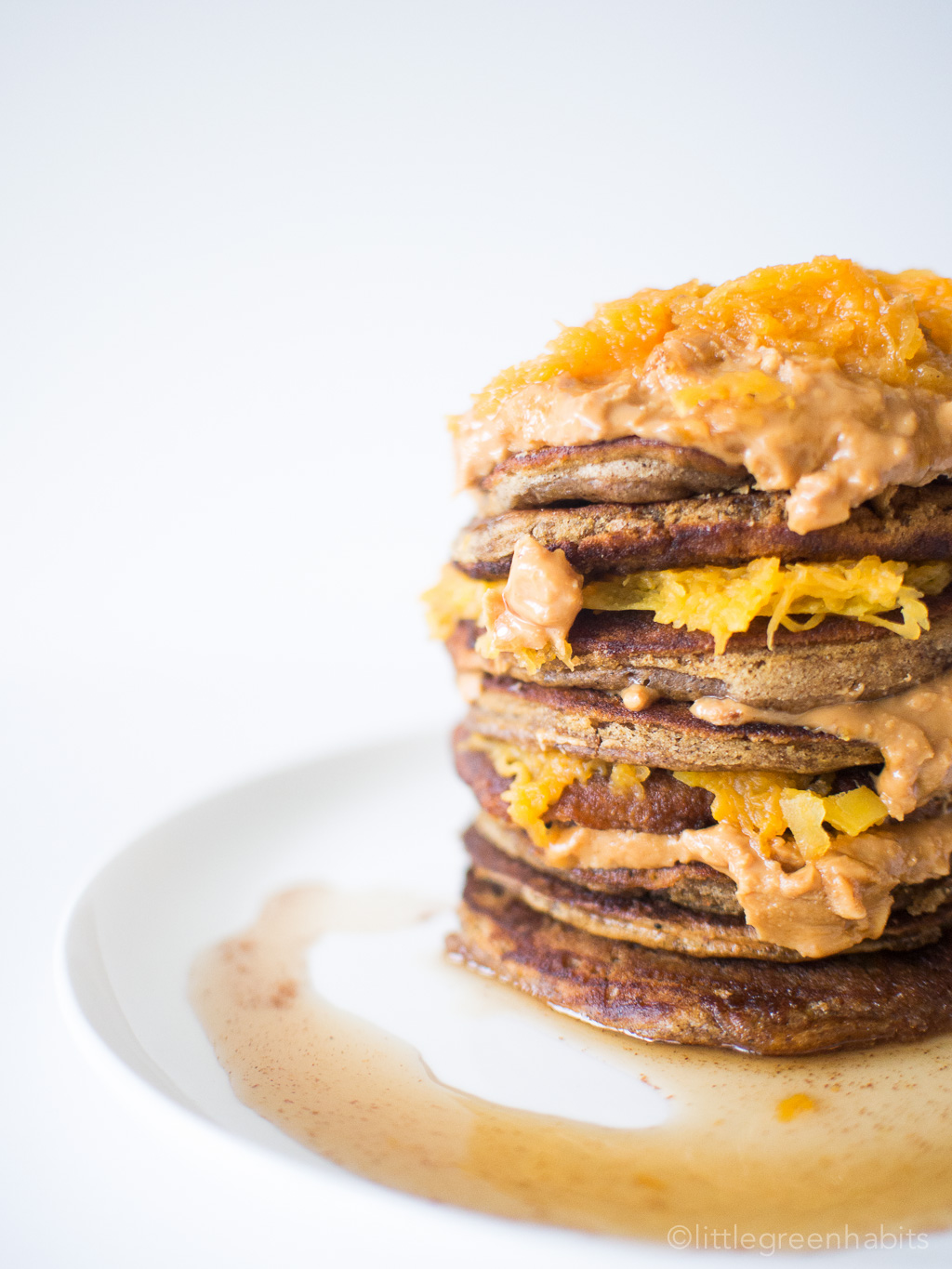
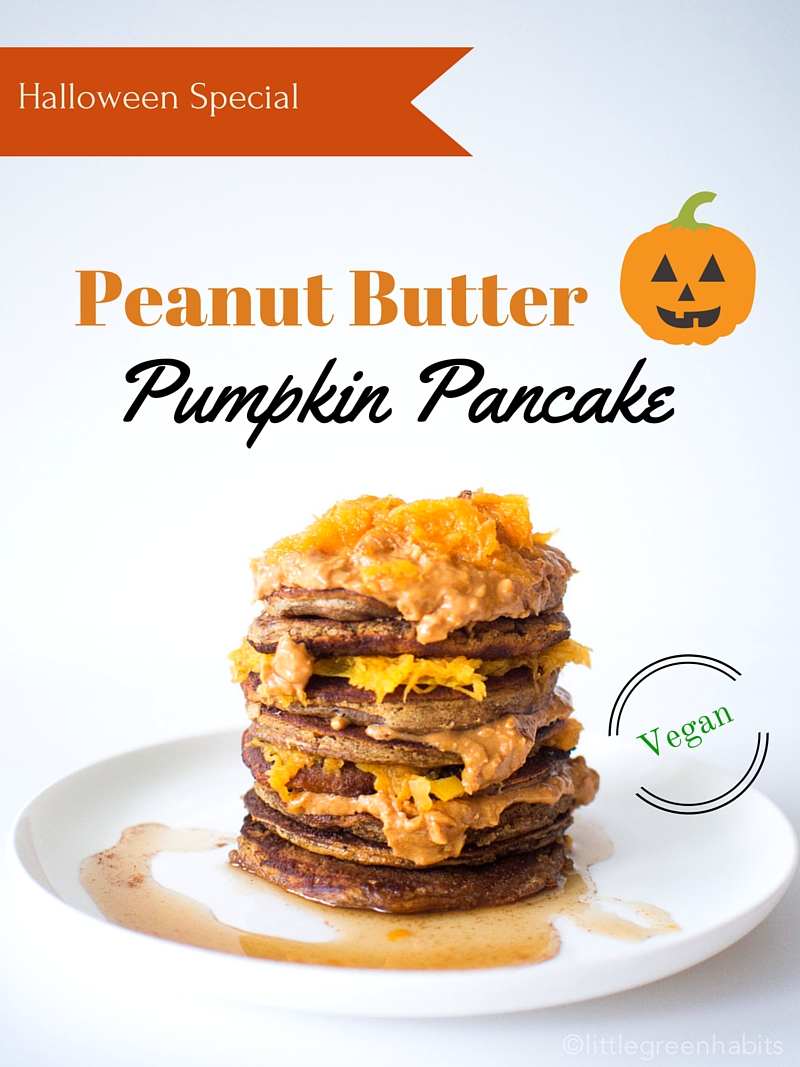
Halloween Special – Vegan Peanut Butter Pumpkin Pancakes

Peanut Butter Pumpkin Pancake-37

A couple of days ago I found a very old costume from a Halloween party I went to about six years ago. I remember staying up until 3 am to sew my own costume. It was a great night: I rocked it as the Corpse Bride, and even won the best costume award!

Next to being able to walk around in a blue-coloured, blood-splashed wedding gown, Halloween is a great excuse to make and eat anything pumpkin-related! I didn’t want to make yet another pumpkin pie this year so I thought, why not make something for breakfast? And that’s how these Peanut Butter Pumpkin Pancakes were born.

Peanut Butter Pumpkin Pancake-34

Why I love it:

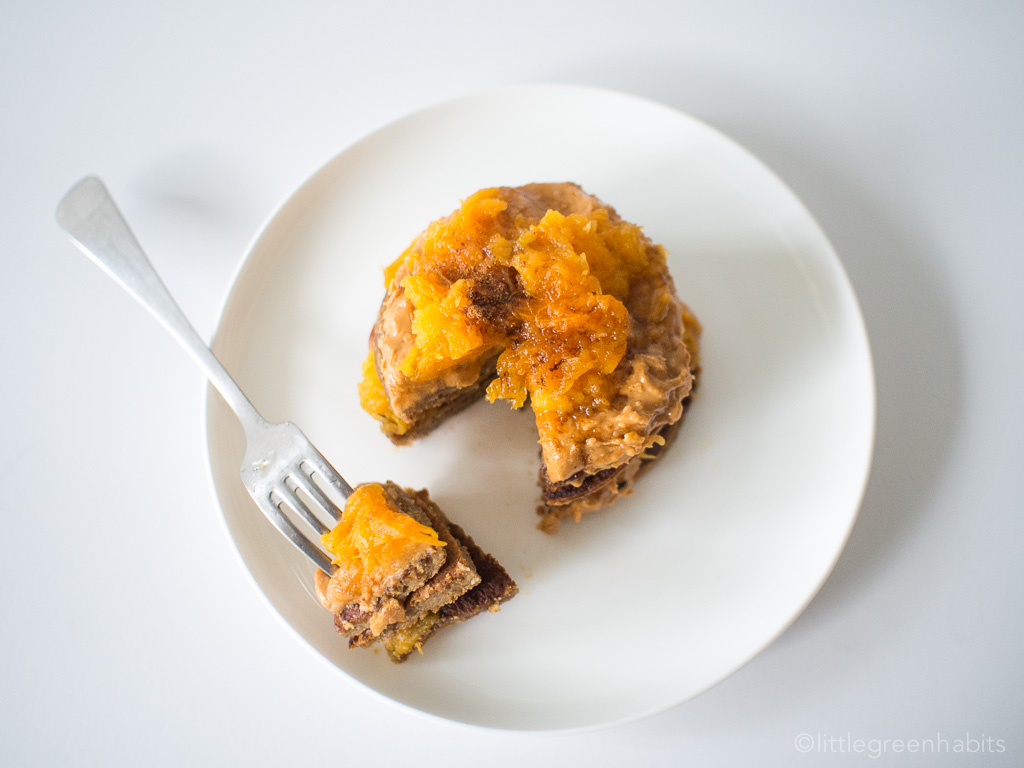
Tender pancakes that are healthy, simple and easy to make. They’re sumptuous and I love how beautiful my kitchen smells when I make these. It also makes an impressive pancake stack for the Instagram fans among you.

Pumpkin is loaded in fibre and antioxidants including beta-carotene, which the body converts into a form of vitamin A. It is also rich in potassium, an important mineral that’s crucial for maintaining normal organ functions. Peanut butter on the other hand is rich in protein, healthy fats and tryptophan. And the pair taste beautiful when put together.

Peanut Butter Pumpkin Pancakes


Vegan Peanut Butter Pumpkin Pancakes
Recipe Type: Breakfast
Author: Keren
Prep time:
Cook time:
Total time:
Serves: 4
Vegan Peanut Butter Pumpkin Pancake
Ingredients
  • Dry:
  • 1 1/2 cup whole wheat flour
  • 1 tsp allspice (pimento)
  • 2 tsp baking powder
  • ½ tsp bicarbonate soda
  • ½ tsp cinnamon
  • ½ tsp salt
  • Wet
  • 1/3 cup packed mashed pumpkin
  • ¾ cup non-dairy milk + 1 tbsp of lemon juice
  • 1 tbsp melted coconut oil
  • 2 tbsp peanut butter
  • 1 tbsp vanilla extract
  • 4 tbsp maple syrup
  • Filling:
  • 2/3 cup packed mashed pumpkin
  • ½ cup peanut butter
Instructions
Cuisine Companion Method:
  1. Combine ¾ cup milk and lemon juice in a large bowl and let rest for 5 minutes to curdle
  2. Prepare Cuisine Companion with the mixing blade, add all the ingredients into a bowl. .
  3. Add remaining ingredients and combine sp 4 / 10 – 30 secs (until smooth)
  4. Let the batter sit for 10 minutes.
  5. Heat up a non-stick pan over low heat.
  6. Add about 1/4 cup of batter to the pan. Cook for 3 minutes, or until the top is looking dry and the edges are dry and firm. Flip over and cook another 2 minutes.
  7. Make your pancake tower using the filling. Place one pancake on plate, layer with 1-2 tablespoon of mashed pumpkin. Place another pancake and layer with 1 tablespoon of peanut butter. Continue until you have a tall stack of pancakes. Top the last layer with mashed pumpkin.
  8. Serve with a generous drizzle of maple syrup.
Manual Method – replace the above step 2-4 with the following:
  1. In one bowl, whisk all the wet ingredients together.
  2. In a second bowl, sift all the dry ingredients together.
  3. Pour the wet ingredients into the dry and stir well until smooth.

Did you make this recipe?

Please let me know how it turned out for you! Leave a comment below and/or share a picture on Instagram with the hashtag #littlegreenhabits. I’d love to hear from you.


Peanut Butter Pumpkin Pancake-31

Love and greens,

Keren x

The Truth about Soy

SoybeansSoy – good or bad?

I went to buy a litre of soymilk recently, and the lady serving me commented “oh, I heard that stuff is bad for you!”

Wait,…what? Who would think it’s not only ok, but almost their duty to warn a perfect stranger – about to buy one of their shop’s goods – about the dangers of soy! Anyway, I smiled and told her that I’d drunk this ‘stuff’ for years (since 1983 for the record!) and it was perfectly healthy.

Apart from the dubious practice of making negative comments about a customer’s product choices, this demonstrated to me the power of propaganda against certain plant foods. And yet, I can’t really blame her. It seems that on a regular basis there’s some crack-pot article or online diatribe about the many ‘dangers’ of the humble soybean.

Recently on some website called ‘Living Traditionally’ (whatever that means!) they posted an article with the catchy (some might say hyperbolic) title of ‘Top 10 Shocking Reasons to Avoid Soy Milk’. Apparently, according to this article, drinking soymilk is “destroying your health”.

To summarize, some of the allegations listed were that:

  • 99% of soy is genetically modified (truth: most commercial soymilk brands state ‘GM free’ on their cartons);
  • soymilk contributes to vitamin B12 deficiency (truth: most soymilk brands are fortified with B12);
  • the isoflavones in soy cause breast cancer (truth: according to Dr Joel Fuhrman, “…it appears that isoflavones have a number of anti-cancer effects that are unrelated to their ability to bind the estrogen receptor”)
  • plant estrogens found in soy, called phytoestrogens, disrupt endocrine function and lead to infertility and  breast cancer in women (truth: again, Dr Fuhrman advises: “the large body of evidence that convincingly suggests that whole and minimally processed soy foods protect against breast cancer”)

Other articles on soy make all sorts of sensationalist claims, and would have the nutritious soybean and its food derivatives cast as a toxic villain of international conspiracy proportions.

Some of the other main claims against soy are that:

  • Soy causes malnutrition and digestive distress
  • Soy increases the risk of cancer and heart disease
  • Soy consumption is linked with immune system breakdown, thyroid dysfunction, cognitive decline, reproductive disorders and infertility.

Soybeans

Soy doesn’t stop you having babies

The last claim of soy causing infertility has no basis in reality. I have been a vegetarian – and now vegan – for 33 years, and successfully produced 4 children. A vegan brother of mine, another big soy consumer, has 3 big healthy boys. None of the vegetarian or vegan men I know of or have heard of have experienced any fertility problems. That is not to say it has never happened, but there is not a shred of evidence to show that men (or women) who consume high levels of soy have greater fertility problems, on average, than the rest of the population. Indeed, the huge populations of big soy consumers in Asian countries such as China and Japan would suggest this claim is more than a little fanciful!

Soy is safe for kids

The anti-soy lobby’s claim (led by Joseph Mercola) that we are damaging our children by feeding them soy is not supported by the evidence. An article titled Is Soy Milk Safe for Children? By Shereen Lehman notes that:

“The American Academy of Pediatrics states that soy formulas are safe and effective for infants, and research shows no hormonal effects in long-term feeding of soy formulas.”

A 2005 study compared the nutritional status and growth of 168 infants who were allergic to cow’s milk and were fed either soya-based infant formula or hydrolyzed whey formula. In both groups, nutrient intake and growth were ‘within reference values’ – in other words, they grew normally (Seppo et al., 2005).

All four of my children had soy formula as babies, and still enjoy soy milk on a regular, daily basis. All are healthy and developmentally normal; in fact taller than average for their age.

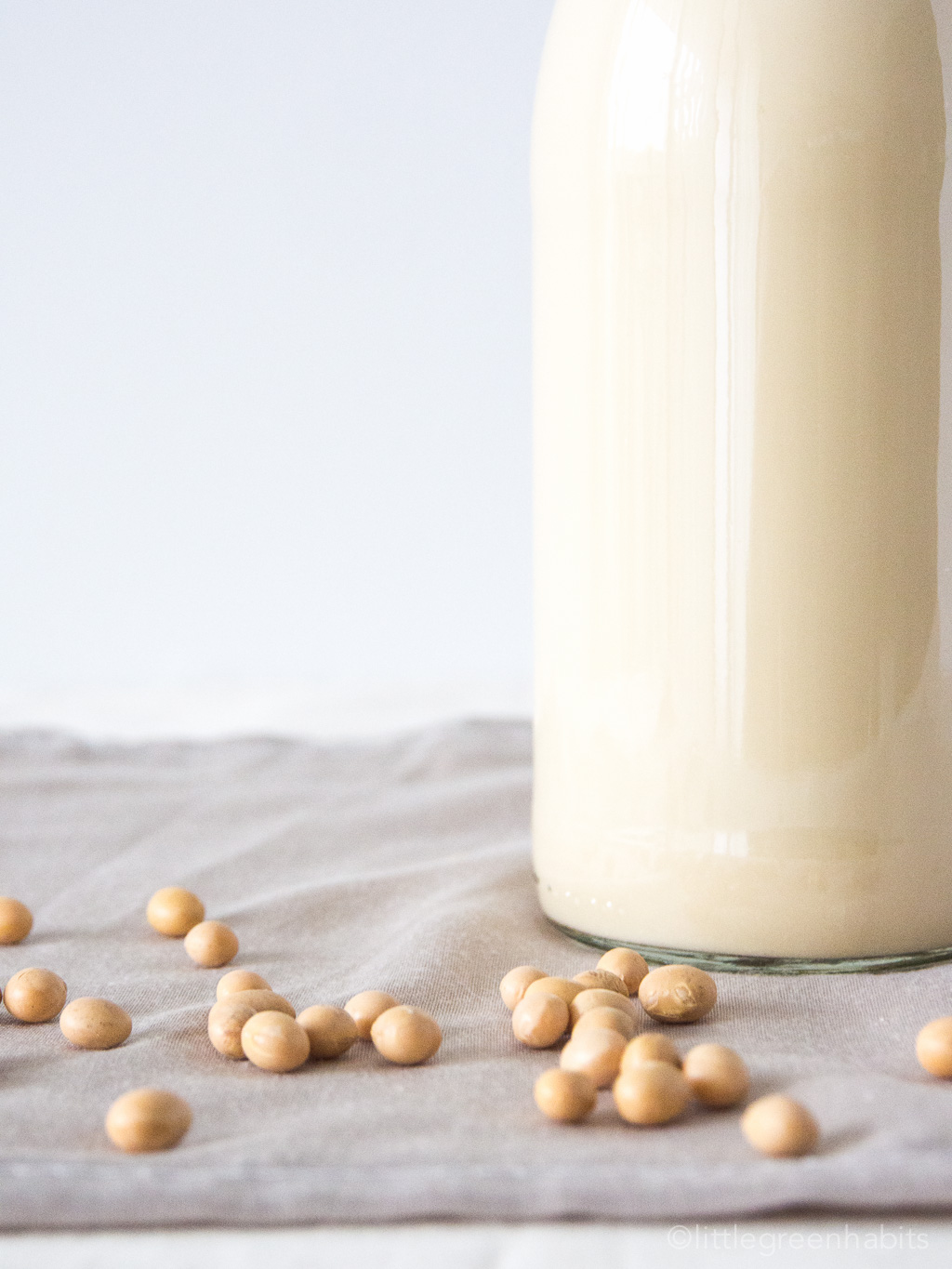
Soy Milk

Soy protects against cancer

Most evidence suggests that soy protects against many types of cancer, rather than increases the risk of it. Consider these facts:

  • The average Japanese person consumes 50-80 grams of soy food daily
  • The average American eats 5 grams of soy a day
  • Japanese people have much lower rates of colon and lung cancer than Americans
  • Japan has the lowest rate of death from heart disease for men in the world, and the second lowest for women
  • American women are 5 times more likely to die from breast cancer than Japanese women
  • American men are 5 times more likely to die from prostate cancer than Japanese men

As noted in an online article by Neal Barnard M.D, Adjunct Associate Professor of Medicine at the George Washington University School of Medicine and President of the Physicians Committee for Responsible Medicine in Washington, DC:

“…regular consumption of at least a modest amount of soy products cut the risk of recurrence [of breast cancer] by 25 percent.”

Dr Joel Furhman advises that:

“…a 2009 meta-analysis of studies on soy and prostate cancer found that higher soy intake was associated with a 26% reduction in risk.”….and also: “soy foods are not only associated with decreased risk of hormonal cancers, but also lung, stomach, and colorectal cancers.”

Soy good for you

As Dr Barnard explains, studies show that soy protein is “highly digestible”.

Dr Barnard also says that soy foods “do not cause thyroid problems in people with normal functioning thyroids”, and that, despite the presence of some phytates in soy, studies show that “calcium [in soy products] is absorbed as well as calcium from cow’s milk.”

The good news is that tests have shown that soybean protein is equivalent in quality to protein found in beef, milk and egg white. Soybeans are packed with iron, zinc and calcium; are high in fibre; low in saturated fat and contain no cholesterol.  Their polyunsaturated and omega 3 fats help lower blood cholesterol and prevent blood clotting.

Want more proof of the health benefits of soybeans?

The Truth about Soy

The Truth about Soy’s health benefits

The Victorian government’s Better Health Channel (with information produced in consultation with and approved by Deakin University here in Melbourne) states that:

“Soybeans are members of the pea (legume) family of vegetables…and contain hormone-like substances called phytoestrogens that mimic the action of the hormone oestrogen. The health benefits of soy for menopausal women could include fewer hot flushes, protection from coronary heart disease (CHD) and lowered risk of osteoporosis.”

This website lists all the other health benefits of soybeans:

  • high in fibre
  • high in protein
  • low in saturated fat
  • cholesterol free
  • lactose free
  • a good source of omega-3 fatty acids
  • a source of antioxidants
  • high in phytoestrogens.

The incredibly versatile soybean can be consumed in a myriad of forms, including miso; soy breads and cereals; soy cheese; soy milk; soy flour; soy grits and soy flakes; soy meats; soy pasta; soy sauce; soy snacks; soy bean oil; tempeh; Textured Vegetable Protein (TVP); tofu, and tofu desserts such as soy ice-cream and yoghurt.

As always, for optimal health I recommend that you focus mainly on whole soybeans, or foods made with whole soybeans, and traditional soy foods with minimal processing, such as tempeh and tofu.

Tempeh

Meat eaters consume the most soy

With all the anti-soy propaganda around, perhaps the ultimate irony is that people who eat pork, beef, chicken, dairy and fish indirectly consume the most amount of commercially farmed soy.

According to online reports by the soy industry:

“about 85% of the world’s soybeans are processed, or “crushed,” annually into soybean meal and oil.”  Nearly all (98%) that soybean meal is further processed into animal feed. Most of the oil (95%) is consumed as edible oil; the rest is used for “industrial products such as fatty acids, soaps and biodiesel.”

So, if you genuinely want to boycott the commercial, GM soy crop industry, you have only one choice: avoid consuming edible oils (better for your health anyway) and to go vegan!

Final word on soy

I urge you to pay no heed to the ‘chicken littles’ who would convince you the sky will fall down if you consume some tempeh, soymilk or tofu. I have happily consumed soy products for over 30 years, and as part of a healthy, balanced diet I, and my family, can heartily recommend them (just quietly, so can billions of other people all over the world, too!).

Bean appetit!

Tom Perry
Further References:

The Book of Tofu, by William Shurtleff and Akiko Aoyagi
All You Need to Know About Soy – Sanitarium Health Food Company
Soy Miracle, by Earl Mindell
Eat to Live, by Sue Radd and Dr Kenneth Setchell