Omega 3 – which is best: fish or plants?

What are Omega 3 fatty acids?

Omega-3 fatty acids, also known as polyunsaturated fatty acids (PUFAs), play a crucial role in brain function, as well as normal growth and development. Omega-3 fats include eicosapentaenoic acid (EPA) and docosahexaenoic acid (DHA), which are typically found in fish and fish oil. Some plant-based foods, including flaxseeds, walnuts and chia seeds, also contain omega-3 in the form of alpha-linolenic acid (ALA), which also helps heart health.
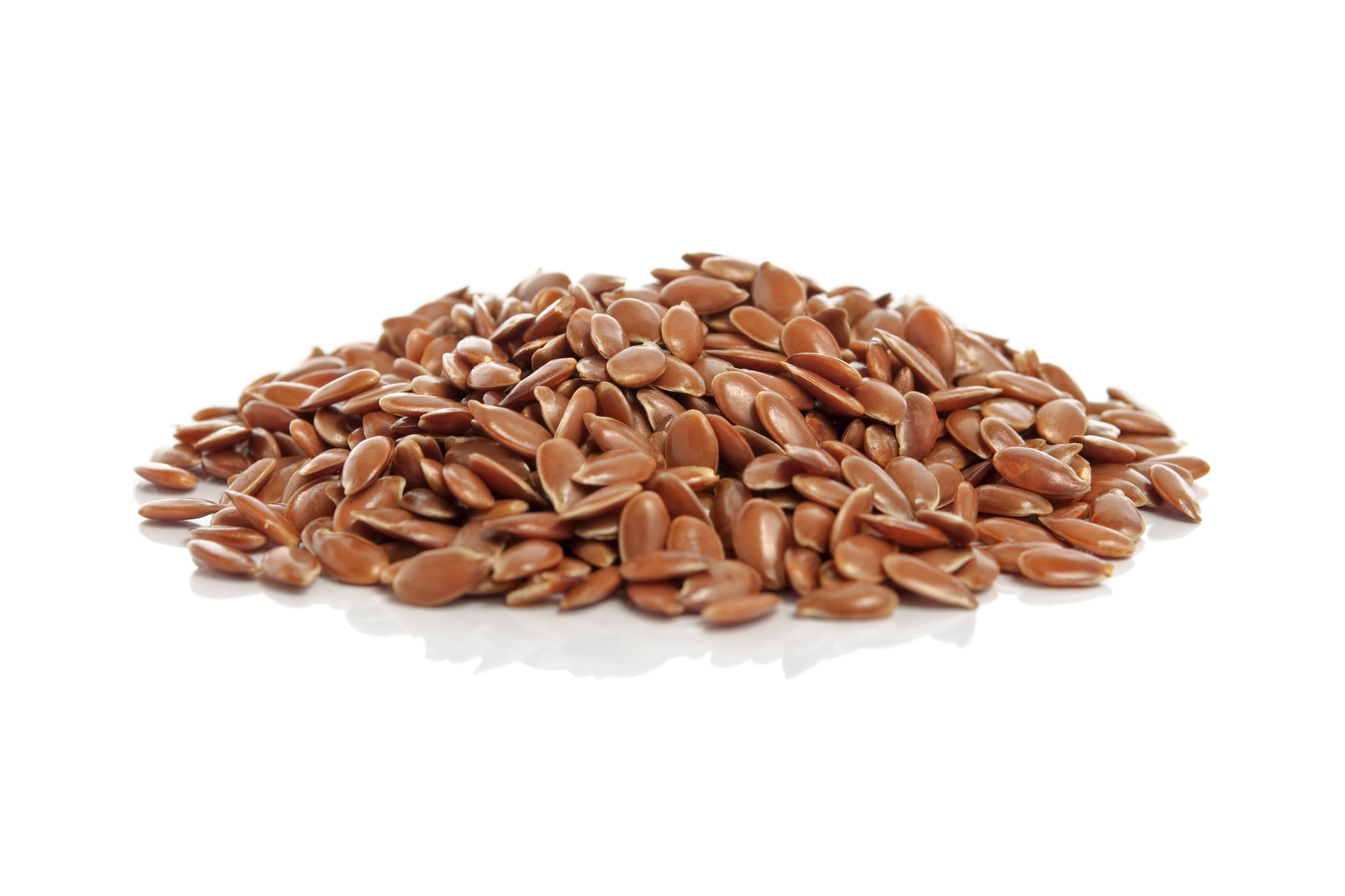
flax_seed_2b91bbe5-152b-4134-9160-963089b09a5b

Why is Omega 3 good for you?

Omega-3 fatty acids are necessary for human health, but our bodies can’t make them. Research indicates that omega-3 fatty acids EPA and DHA found in fish oil can help lower triglycerides, cholesterol and blood pressure. Some studies suggest that omega-3 fatty acids may help with other conditions, including improving immune function, allergic reactions, rheumatoid arthritis, depression, asthma, ADHD, Alzheimer’s disease and many more.

Problems with fish oil supplements and fish consumption

When I was a kid, the main source of fish in my diet was occasional ‘fish and chips’ (typically on a Friday night), with the fish being shark-meat (‘flake’) fried in batter; tinned sardines, or tuna casserole. ‘Fish oil’ was unknown as a dietary supplement then, and it was only relatively recently that fish oil became marketed as an essential part of a healthy diet.

Fish and Krill oil supplements are big business, and are the main dietary source of omega 3 fatty acids for most people. Sales of fish oil supplements reached $1.1 billion in the U.S. in 2010, up 11%, according to Nutrition Business Journal. A report by a market research firm in 2012 predicted that global retail omega 3 sales was predicted to reach $34.7 billion by 2016.

But before we all swallow the line that fish oil is some sort of ‘super food’, is there a downside? The short answer is ‘yes’ – there are many problems with consuming fish and fish oil!

pill-316601_1280

High Fish diets do no favors for your heart

A Forbes Magazine article  referred to a large study conducted at McMaster University which raised questions about whether consumption of fish oil has any effect on preventing heart attacks at all. In this large study, the 6,281 patients who took fish oil were no more or less likely to die from cardiovascular causes than the 6,255 who received a placebo. The study found that consumption of fish oil did not lead to fewer heart attacks, fewer strokes, fewer hospitalizations for heart problems, fewer stent procedures, or less chest pain.

According to a study in the Canadian Journal of Cardiology, diets high in fish do not promote a healthy heart, and may increase risk of heart disease.

The diets and health of Eskimos and Inuits in Greenland and North America were analysed by researchers in a review of ten different studies. Researchers found that Eskimos in Greenland have similar rates of heart disease, an overall mortality rate twice as high, and a life expectancy 10 years shorter, compared with non-Eskimos. Compared with non-native populations, North American Inuits have similar if not higher rates of heart disease.

The authors conclusion was that an “Eskimo diet” has previously been wrongly identified as heart healthy and that such a high-fat diet is better labelled dangerous.

Melissa Breyer from the Mother Nature Network writes: “although many studies link consumption of fish oil to reduced depression, a 2011 meta-analysis by Yale University researchers debunked the idea that omega-3s alleviate the blues.”

medical-563427_1920

Increased fish and fish oil consumption increases prostate cancer risk

Men who eat fatty fish or take fish oil supplements have a 71 per cent higher risk for dangerous high-grade prostate cancer, according to research published in the Journal of the National Cancer Institute. This research was widely reported in the Melbourne Age, the Herald Sun, and ABC Science online.

In 2011 the same team of researchers published similar findings, that high blood concentrations of DHA more than doubled the risk of prostate cancer.

According to Ian Olver, chief executive of the Australian Cancer Council:

“The reality is that if something is good for you, it doesn’t mean that 10 times of it is better. It is unlikely someone would be diagnosed with a deficiency of fish oil. There is a view out there that extra vitamins and antioxidants are good for you. And people take more thinking that more is better.”

Fish oil won’t make your baby brainer

It has been thought that omega-3 fatty acids, consumed via oily fish or in fish oil capsules, could possibly boost fetal brain development in the womb.

However, research indicates that pregnant women taking fish oil supplements don’t improve their baby’s brain function or intelligence.

In this study, researchers led by Maria Makrides of the South Australian Health and Medical Research Institute in Adelaide analyzed date gathered from 300 families in which the mothers had consumed 800 milligrams of an omega-3 supplement per day during their pregnancy.

The study authors compared results from the children of mothers who hadn’t taken the supplements with the children of those who had. Crucially, by the time they reached the age of 4, boys and girls born to the group taking the supplements showed no advantage when it came to language, memory, problem-solving and/or reasoning skills, according to the researchers.

Dr. Catherine Herway, assistant director of maternal-fetal medicine at Staten Island University Hospital in New York City, was quoted in an online article as saying:

“It is very appealing to say to a woman that if she takes a pill every day, her baby will become smarter. The reality is that despite all of our advancements in modern science, the best advice remains the same: To optimize maternal and fetal health, there remains no substitute for a well-balanced diet.”

There are several potential pitfalls with using fish oil, including:

  • Fish oil may contain toxins and contaminants that have accumulated in the environment, including arsenic, cadmium, lead, mercury, PCBs and dioxins.
  • Fish oil supplements may cause nausea, diarrhea, loose stools, decreased appetite, constipation, vomiting and fat in the stool.
  • Fish oil has a limited shelf-life, and may become rancid (researchers at New Zealand’s Crop and Food Research Institute tested capsules from an array of brands from countries all over the world and discovered that a majority of the capsules they tested had begun to oxidize).
  • Some people have fish or shellfish allergies.
  • Regular consumption of fish oil can cause unpleasant fish breath or “fish burps”.
  • Over-fishing of target species and krill for oil production can seriously deplete fish stocks and food for other marine animals. For example, an April 2011 article published by “Nutra Ingredients” reported that some penguin populations have fallen 50 per cent due to a fall in the availability of krill.
Linseed-17

Plant sources of Omega 3

As a vegan, I do not eat fish or take fish oil. So, if I don’t get my omega 3 fats from fish or fish oil, then where from?

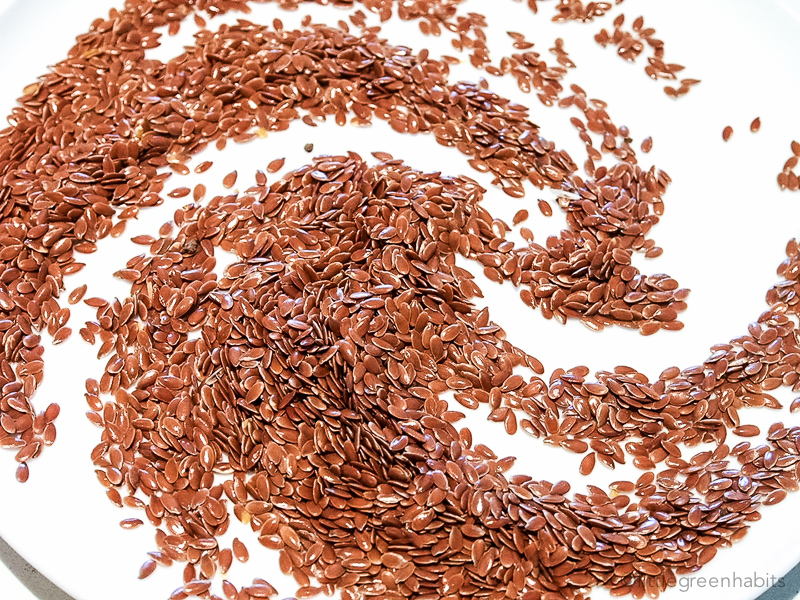
Flaxseed (flax) is the richest source of ALA (alpha-linolenic acid) containing 50 – 60% omega-3 fatty acids, and lignans (powerful anti-oxidants), that researchers have found helpful in preventing heart disease, protecting against inflammatory disorders and certain cancers, and lowering your cholesterol. Flaxseeds add a mild, nutty flavour to a variety of foods and are an excellent source of fibre, high quality protein and potassium.

One of the limitations of Flaxseed Oil (apart from not being recommended for heating and cooking) is that the body has to convert its ALA (alpha-linolenic acid) into EPA and DHA, the omega-3 fatty acids found in fish oil. Some researchers think that flaxseed oil might have some of the same benefits as fish oil, but the body is not very efficient at converting ALA into EPA and DHA (conversion efficiency may be as low as 5 per cent).
lionfish-711799_1920

Omega 3 from algae – getting it from the source

Did you know that fish don’t naturally produce omega 3? The omega 3 fatty acids obtained from fish that humans eat originally comes from the algae the fish eat. Extracting DHA and EPA omega 3 fatty acids from algae means you’re getting it straight from the source – clean and green.

There are several benefits by taking omega-3 supplements from a plant (algae) source, including:

  • You get all the benefits of fish oil omega-3, without concerns about impurities, contaminants, or of course diminishing fish stocks – this is a fully sustainable source of omega-3, and much more environmentally friendly.
  • It’s better for everyone, including vegans, vegetarians, pregnant and breastfeeding women.
  • Research indicates that pure algae-sourced omega-3 is more effectively absorbed by the body than fish oil.
  • The balance of DHA and EPA fatty acids is at least as good, if not better than fish oil in terms of health benefits, and superior to Flaxseed Oil.

Some brands of plant-sourced omega-3 oil I have used and recommend are Dr Fuhrman’s vegan supplement DHA+EPA PurityDeva, which is 100% vegan, vegetarian and is certified by the Vegan Society, the non-profit organization that actually invented the word “vegan”, and Opti-3.

Other brands that you may like to investigate include Green Omega 3  and Lifestream V-Omega 3 .

A final word: please follow this advice from Web MD : Before you start using any supplement, you should always discuss it with your doctor or health care provider. He or she may have specific recommendations — or warnings — depending on your health and the other medicines you take.

Tom Perry
In Asia – North Strathfield

People who love to eat are always the best people. Julia Child.

In Asia

What’s better than eating great food?

Eating it with people who are passionate about it as much as you are.

This post is long overdue. I blame myself for losing the first draft of this post and spending too much time trying to find it instead of just letting it go and writing it again. Sometimes it’s hard to let go.

A while back I was invited to an Instameet at In Asia, a contemporary Asian restaurant in North Strathfield. I was joined by Brendon The Smiling Chef, the organiser for this event, as well as 15 or so other passionate food bloggers.

I was quite surprised with how much food there was available for me to eat. The restaurant was super accommodating of my plant-based needs. They ‘veganised’ some of the dishes for me, and served me with some of their very own vegan-friendly options. Let’s just say I didn’t come home hungry. Here are some of the things I had that night. Mind you, I was the only vegan in the group so all these were for me. Mine, all mine!

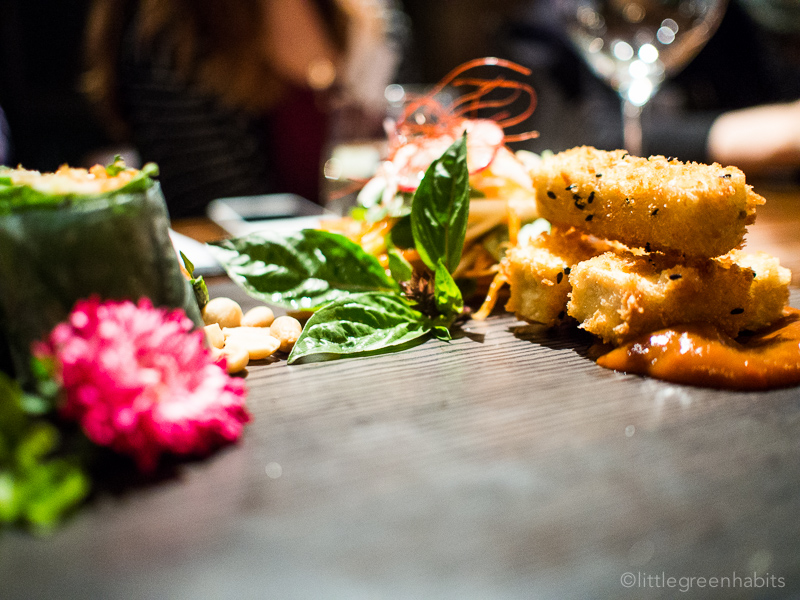
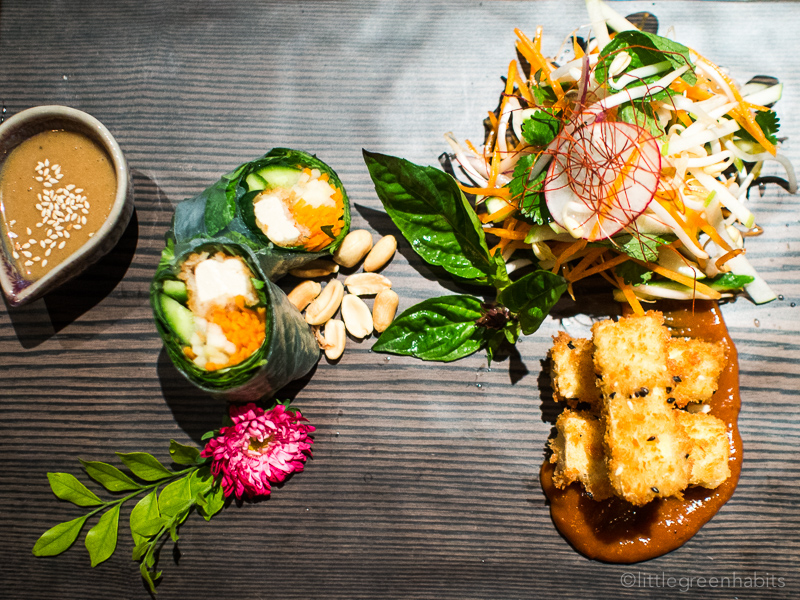
Herbal Crusted Tofu Fresh Roll with Peanut Sauce

Herbal Crusted Tofu Fresh Roll with Peanut Sauce

First I had the Herbal Crusted Tofu Fresh Roll with Peanut Sauce. I have to say that the tofu is probably one of the best deep fried tofu I’ve had in Sydney: crummy and crunchy on the outside, yet soft on the inside. I loved the tofu and peanut sauce combo and the fact it was served with loads of salad made it a light and refreshing bite.

In Asia- lovely colourful plating

Great colourful plating

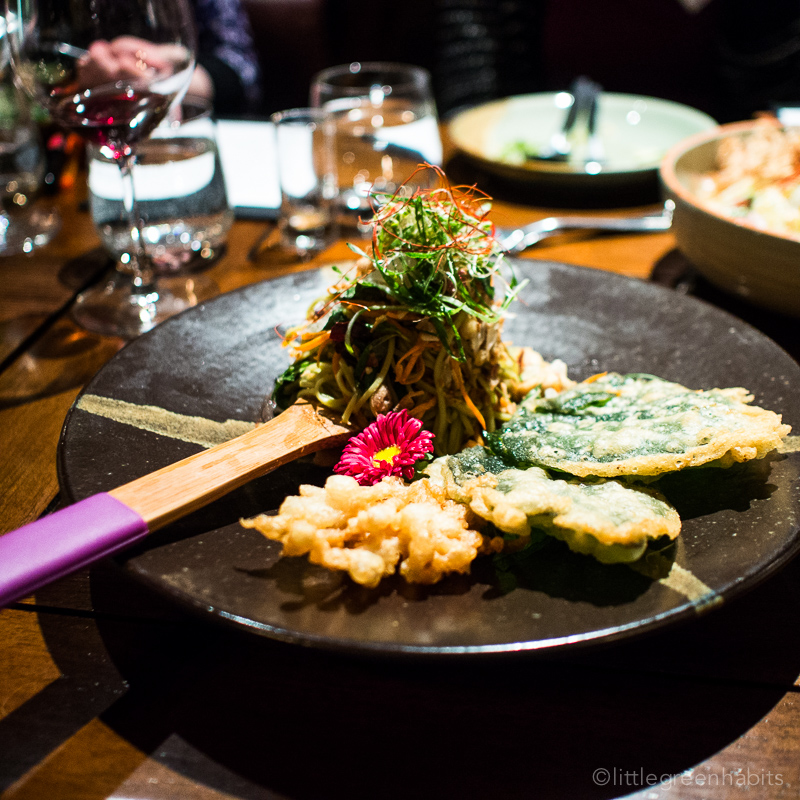
Second, I had the Rice Vermicelli Salad – rice vermicelli, enoki, betel leaves, eschallot, pomelo, Asian herbs and tamarind soy dressing.

Rice Vermicelli Salad

Rice Vermicelli Salad – rice vermicelli, enoki, betel Leaves, eschallot, pomelo, Asian herbs and tamarind soy dressing

This salad has a multilayered texture with soft noodles, roasted peanuts and crunchy battered mushrooms and betel leaves. They all kind of dance around in you mouth as you slurp, bite and crunch. I don’t think I’ve had anything similar so it’s quite exciting, very original, and it has a tangy dressing similar to a Thai papaya salad – but milder.

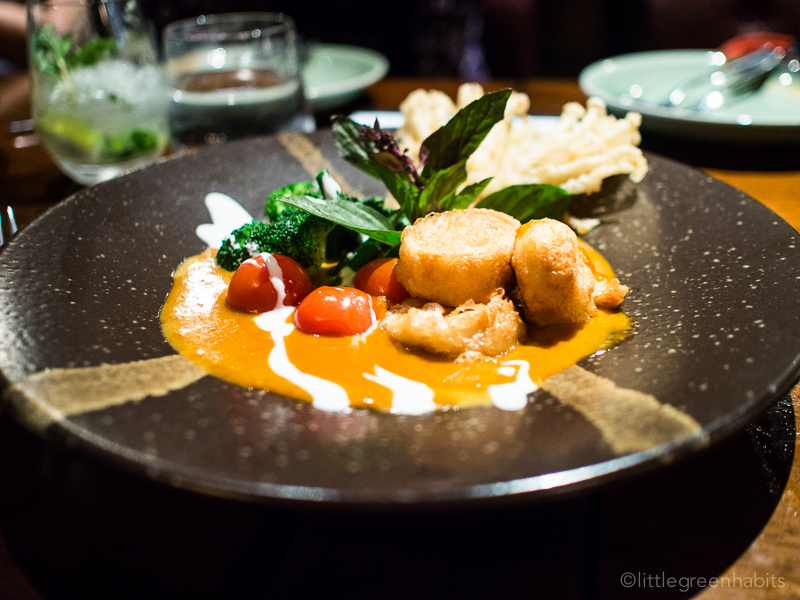
For the third dish / first main course I had the vegan version of their Turmeric Curry – with fried tofu instead of soft shell crab, along with lightly battered enoki mushrooms.

Turmeric Curry with fried tofu

Turmeric Curry – with fried tofu instead of soft shell crab, along with lightly battered enoki mushrooms

The sauce was creamy and fragrant; mildly spiced and not too heavy. The mushroom was crunchy and the combination of the two is just heavenly. I think it was almost my favourite dish of the night, second only to the tofu roll.

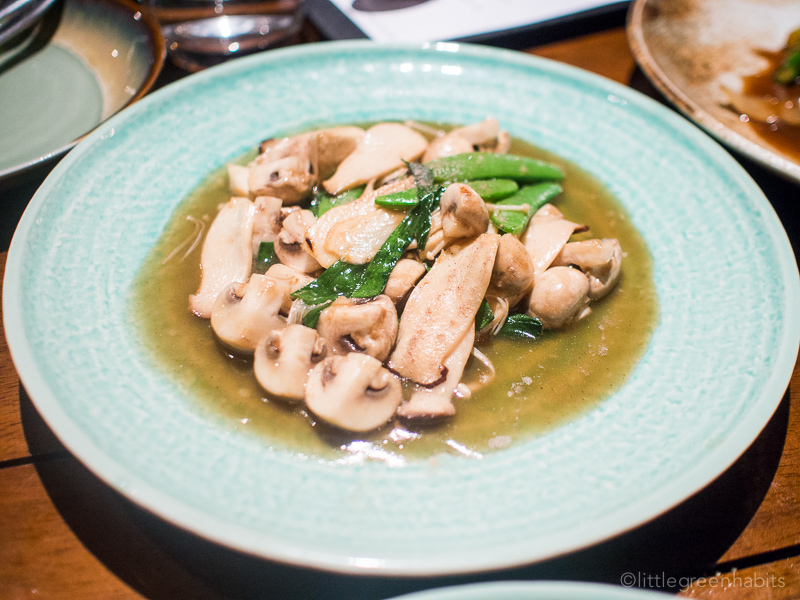
Stir Fried Mushrooms

Stir Fried Mushrooms

And for the second main course I had Stir Fried Mushrooms. This plate had a generous serving of mushrooms – enoki mushrooms, button mushrooms, mini king oyster and oyster mushrooms, all stir fried in black pepper and… get this, mushroom sauce!

Given that I had finished all the previous four dishes by myself, I didn’t think there was any room left for more food.

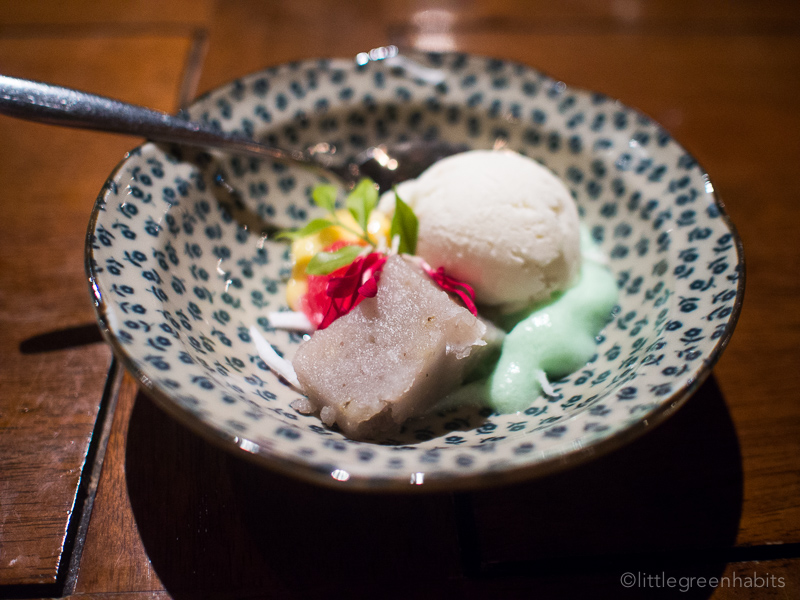
Monkey Snicker

Monkey Snicker

Hang on? Did someone say dessert?

In Asia-33

Romantic ambiance at In Asia

They gave us all three desserts from the menu to try. It was a shared plate so I picked at bits and pieces that I knew were vegan (sorbet, banana cake, corn flakes, etc).

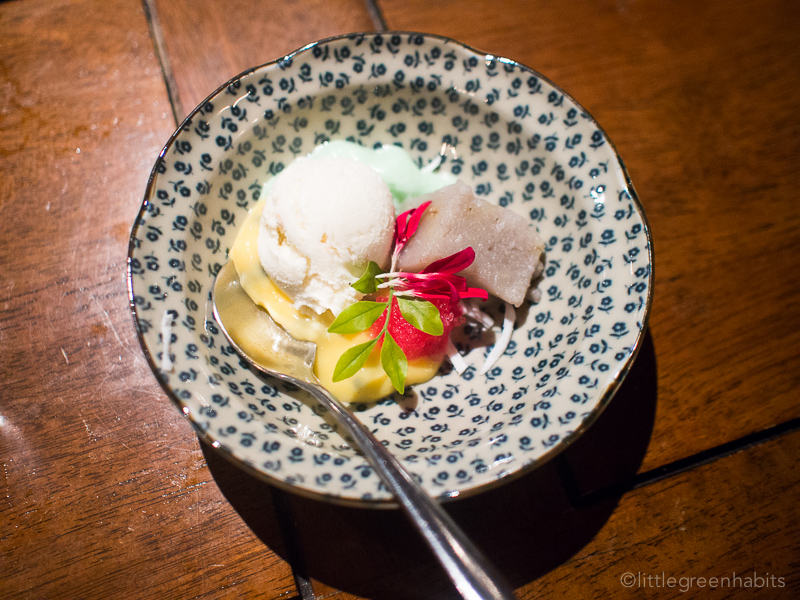
Monkey Snicker

The Monkey Snicker banana pudding came with passionfruit curd, pandan foam, pandan granita, shredded coconut and coconut ice cream.

The banana pudding was definitely vegan and so was the granita. It’s easily made vegan by replacing the ice cream and curd with sorbet. The banana pudding was quite delicious – soft, sweet and slightly chewy.

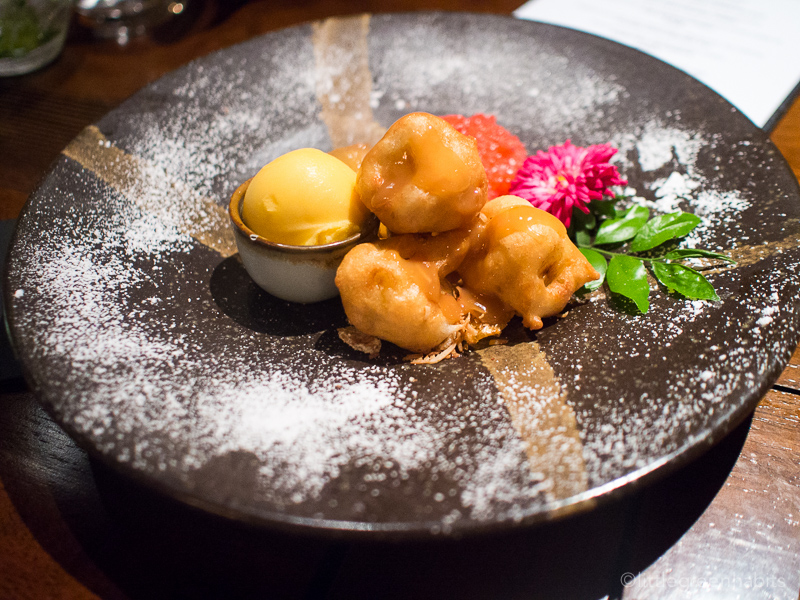
RS B’s First Kiss featured organic banana lightly battered in shredded coconut and fried palm sugar caramel

RS B’s First Kiss

RS B’s First Kiss featured organic banana lightly battered in shredded coconut and fried palm sugar caramel, tapioca sauce, and rice puffs, served with passionfruit sorbet. I didn’t try this but it looked pretty good! Deep fried banana could be vegan, but it’s worth checking first.

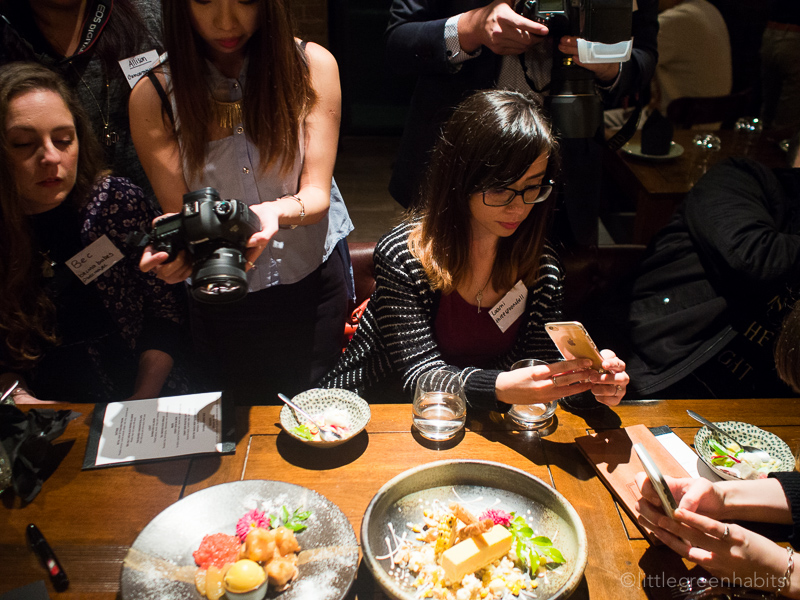
Everyone was oohing and ahhing over the spectacular looking desserts, cameras started flashing everywhere and everyone crowded together to get a perfect shot of the food. It was madness!

In Asia - food bloggers snapping photos of dessert

Snaps!

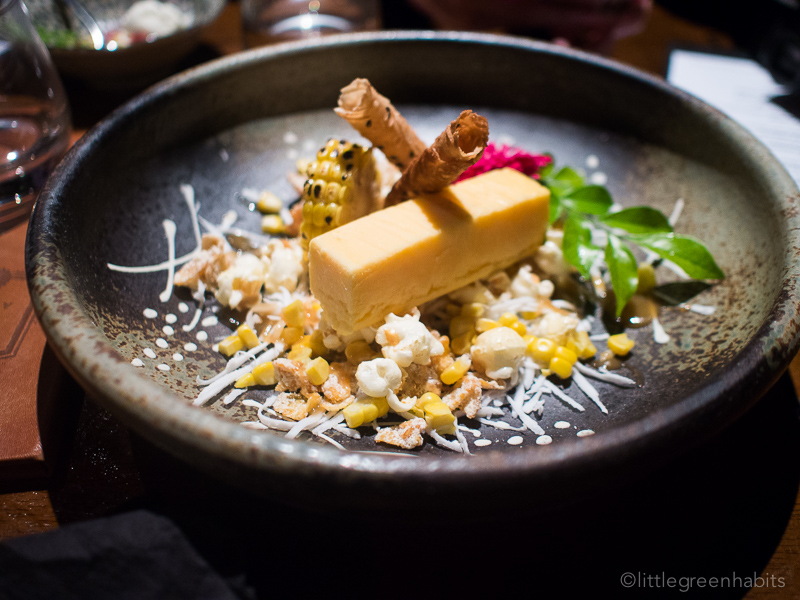
Finally the Popcorn Parfait had crushed corn flakes, caramel popcorn, grilled sweet corn and caramel jersey cream. Definitely not vegan-friendly (unless you’re happy to nibble on the popcorn and the sweet corn). but it looked pretty impressive.

opcorn Parfait with crushed corn flakes and caramel popcorn,

Popcorn Parfait – crushed corn flakes, caramel popcorn, grilled sweet corn and caramel jersey cream

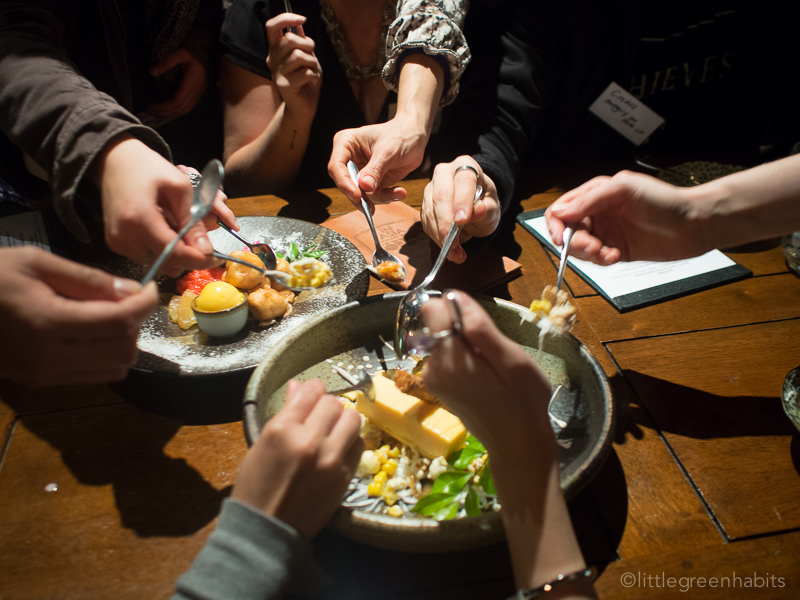
Apart from me, I think everyone had a little bit of everything….

In Asia-62

Spoon war!

It was an exciting night which I’d definitely do again. It was so much fun and I made lots of new friends.

If food brings people together, then food events bring food bloggers together with all guns blazing.

Disclaimer:Thanks In Asia for hosting our Instameet event with Brendon Smiling Chef , My Food Lust, Ant Wales, Hungry As Fork, Becmakes, ThreespoonsfullThe Girls Who Ate The WorldThe Walking Advertisement


Why The Walking Dead cast & crew go for grains, not brains

walking-dead-season-1

Image Credit: AMC

Okay, I admit it: I am a big fan of the post-zombie-apocalypse TV show ‘The Walking Dead’, which is set to kick-off its much-anticipated 6th series from October 11, 2015.

There is something about man – and woman’s – eternal struggle against hordes of flesh-eating zombies that I am drawn to. Mind you, so are lots of other folks.

According to Forbes, The Walking Dead is the highest rating show on cable TV. On October 13, 2013 the season 4 premiere aired, titled “30 Days Without an Accident”. At the time, this was the highest-rated hour of cable television ever; with a staggering 16.11 million viewers in the US alone.

This cable-TV monster continues to gather a legion of fans. Season 5, which premiered on October 12, 2014, recorded a record-breaking 17.3 million total viewers, about 1.2 million more viewers than its previous high.

So, it was naturally big news when the cast and crew of this TV phenomenon publicly announced they’re gradually adopting the vegetarian lifestyle.

The Ecorazzi website reported one off-camera source who claimed that:

“After watching ‘Walkers’ realistically look as though they are consuming bloody human flesh or seeing heads and other body parts sliced off, no one was touching the red meat or even chicken that was on offer.”

In an interview on ‘SF Gate’, actor Norman Reedus, who plays ruggedly handsome zombie bow-hunting Daryl Dixon (my wife’s favourite) admitted that the special effects team, who created scenes of human flesh consumption in the fifth season, made them a little too realistic for comfort. So Norman has decided to adopt a meat-free diet. It seems that this was almost against Reedus’ better judgment, as he was quoted as not being exactly happy about his lifestyle change: “I’ve become a vegetarian and I’m kind of bummed about it.”

walkingdead

Image Credit: AMC

Why the big turn-off meat?

What’s really going on here? I recently saw a hunter say on a TV show (where he was justifying his lifestyle to a bunch of animal rights activists), “hunting is in our DNA”. In other words, according to this bloke and his supporters, hunting, killing, and butchering animals is a normal, natural, instinctive human activity.

If that’s true, why don’t most people naturally revel in the sight of blood and guts? For that matter, why are millions of people outraged over the ‘canned hunting’ death of a single animal Cecil the lion? I think this touches on the deeper question of who we really are. Are we the ruthlessly efficient hunter of Paleo fantasy, or are we essentially plant-eating primates who might only eat flesh foods for the occasional bit of protein and extra sustenance?

You won’t find a dog or a cat put off by the sight of gore. They’ll see lots of their natural food source, and, of course, (unlike us) happily (and safely) eat it in its raw state. And trust me, having visited several factory farms and abattoirs in my time, whatever stomach-churning scenes you might see on ‘The Walking Dead’ of zombies chowing down on dead rats, horses’ guts, or some poor guy’s shoulder muscle, it pales in comparison with the reality of animal slaughter, which is a real-life horror show.

battle

Image Credit: AMC

There is also the fear of cannibalism, or ‘anthropophagiophobia’, which is implicit in gross acts of live-flesh eating the once-human zombies perform on their human victims in the show. Think of the revulsion many felt when Hannibal Lecter in ‘Silence of the Lambs’ uttered those immortal words:

I ate his liver with some fava beans and a nice chianti” (I’ll spare you the grisly suckling noises Hannibal (aka Anthony Hopkins) then made to Clarice (aka Jodie Foster).

I think ‘The Walking Dead’ example proves, yet again, that we’re not natural carnivores. Sure, we can eat some meat as highly adaptable, opportunistic apes, but the thought of eating raw offal and innards makes most of us feel sick. Which it almost certainly would do if we ate it like that! Eating raw meat by humans is known to lead to the ingestion of harmful bacteria and disease-carrying pathogens. As reported in Wikipedia, “Every year in the United States, 6.5 million to 33 million cases of illness are diagnosed due to microbial pathogens, with about 900,000 deaths occurring annually as well.[5] According to a multi-state study published in the America Journal of Preventative Medicine, the annual cost of disease caused by food borne pathogens is estimated to be anywhere from 9.3 to 12.9 billion dollars in “medical costs and productivity losses.”[6]

But, of course, we don’t have to, and nor should we. The best, healthiest foods for humans (not dogs…or zombies) are fresh, whole plant foods. As is well-known, not only can we eat these foods raw; they’re extremely good for us, and best for natural weight loss and protection against chronic diseases like heart disease and cancer. Raw (and cooked) vegetables and raw fruits, with a few raw nuts and seeds are what we should be basing our diet on. Complimented, of course, with some beans, legumes and whole grains.

According to another report of ‘The Walking Dead’ series,

“on-set meat dishes have been replaced by spinach and avocado salad with garlic mustard vinaigrette, mushroom risotto and black bean and cheese Mexican enchiladas.”

Apparently “around 80%” of the food served-up by Craft Services caterers at the five locations in Georgia where ‘The Walking Dead’ is filmed is now meat-free. So it’s greens, beans and grains; not brains, that are on the menu for most working on the set of ‘The Walking Dead’.

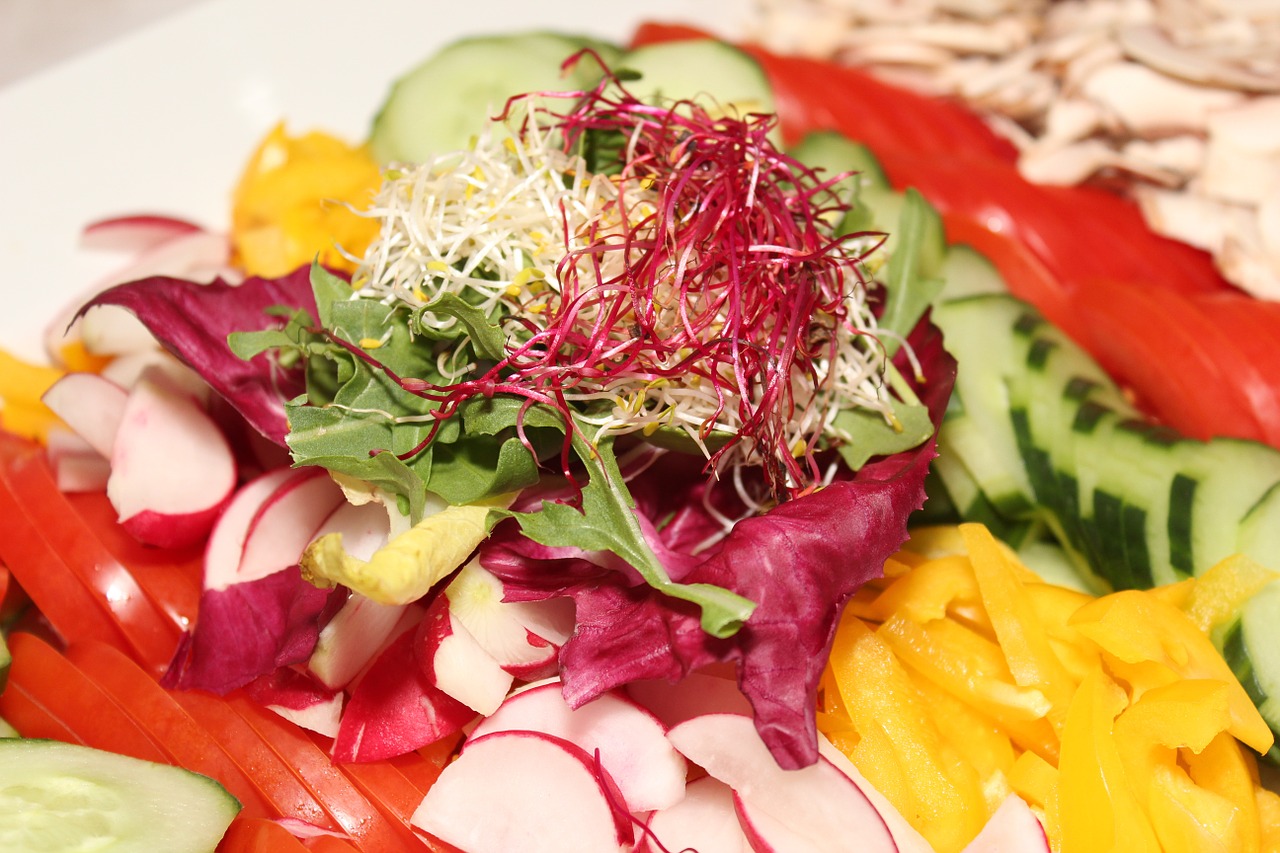
salad-852051_1280

It seems that battling rabid man-eating zombies together ultimately does bring out the best in us. I think sheriff’s deputy Rick Grimes would agree.

Tom Perry
 

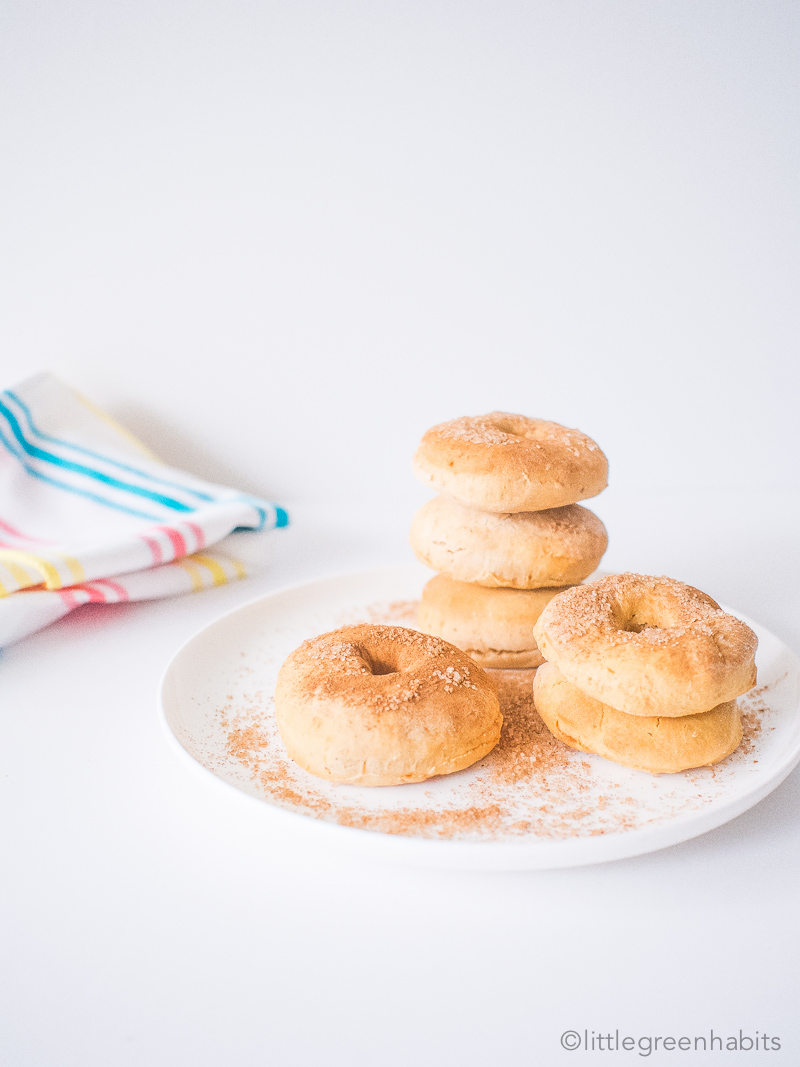
Sweet Potato Vegan Donuts

Sweet Potato Vegan Donuts

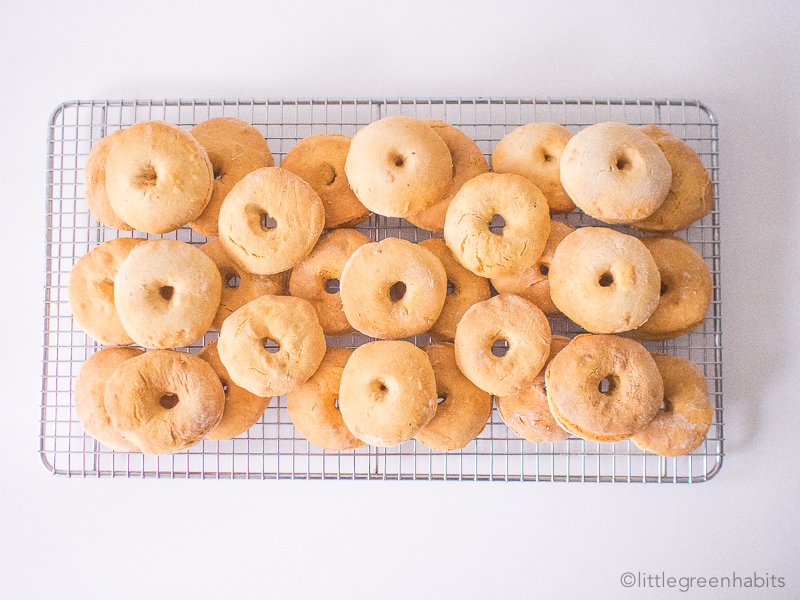
These vegan donuts were inspired by my recent trip to Melbourne where I had the most amazing donuts (or ‘bronuts‘ as they call them) from Mr. Nice Guy’s Bake Shop in Ascot Vale. They were mind-blowingly delicious: soft, fluffy and sweet. They tasted so heavenly and were a complete and utter indulgence. Coming back to Sydney, I couldn’t help but wonder if I could make my own vegan donuts. I wanted them to be tender and tasty, but healthier, and baked, not fried as in Melbourne. And so after a few experiments in the kitchen, these donuts were born.

Why I love them:

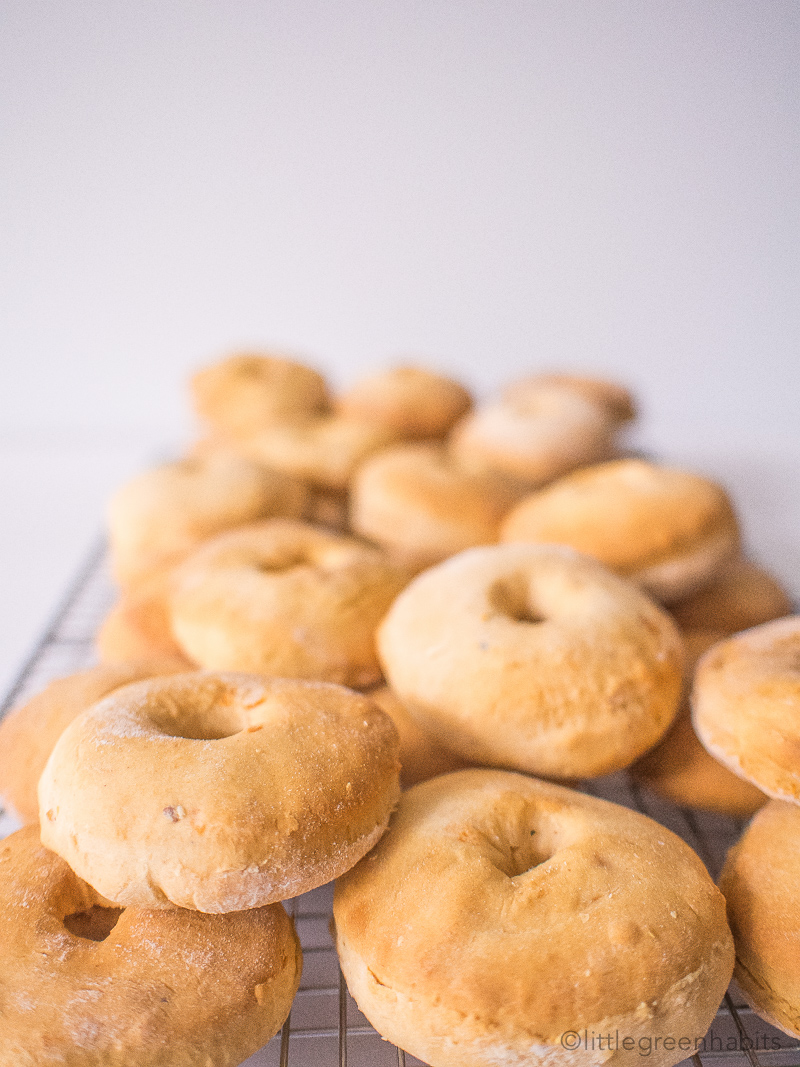
One thing I love about these vegan donuts is how long they stay tender and moist after baking. I’ve made deep fried donuts in the past and they start tasting a bit dry and hard even after just a few hours. These donuts, on the other hand, stay tender and moist for many hours to a few days – you just need to warm them up, with 15 seconds for each in the microwave if they get a bit cold.

They also quite easy to make. I’ve made them both by hand and using Cuisine Companion (CC). I’d use my CC when I make a double batch or being super lazy but really, it’s so easy to make. There’s no kneading involved so the process is fairly simple.

Sweet potatoes are an excellent source of vitamin A and vitamin C and rich in fibre and potassium. They’re baked, not fried, and they smell like Christmas morning.

Sweet Potato Vegan Donuts

Sweet Potato Vegan Donuts

Sweet Potato Vegan Donuts

Makes 40 small size donuts

  • 1 package (1/4 ounce) active dry yeast
  • 1 cup warm non-dairy milk
  • 1 tbsp vinegar or lemon juice
  • 1 1/2 cups warm mashed sweet potatoes
  • 1/3 cup coconut oil, melted
  • 1 cup raw sugar (*see notes)
  • 4 tsp baking powder
  • 1-1/2 tsp baking soda
  • 1 tsp salt
  • 1 tsp ground nutmeg
  • 6 cups plain or wholemeal flour
  • 1/2 tsp ground cinnamon

Vegan eggs (equivalent of 3 eggs)

Directions – Cuisine Companion

  1. Make vegan eggs: mix 3 egg replacers with 6 tbsp water and whisk until foamy with a fork.
  2. Mix your non-dairy milk with vinegar. Add yeast and 1 tbsp of sugar, mix to dissolve.
  3. Prepare the CC bowl with the kneading blade. Add mashed sweet potatoes, coconut oil, the remaining sugar, baking powder, baking soda, salt, nutmeg and half of the flour into the bowl. Mix at speed 7 for 15 seconds.
  4. Stir in the remaining flour and mix at speed 7 for about 20- 30 seconds, just enough to form soft dough. You may not need to use all the flour. Cover and let sit at room temperature for 1 hour.
  5. Turn onto a floured surface; divide into four equal portions.
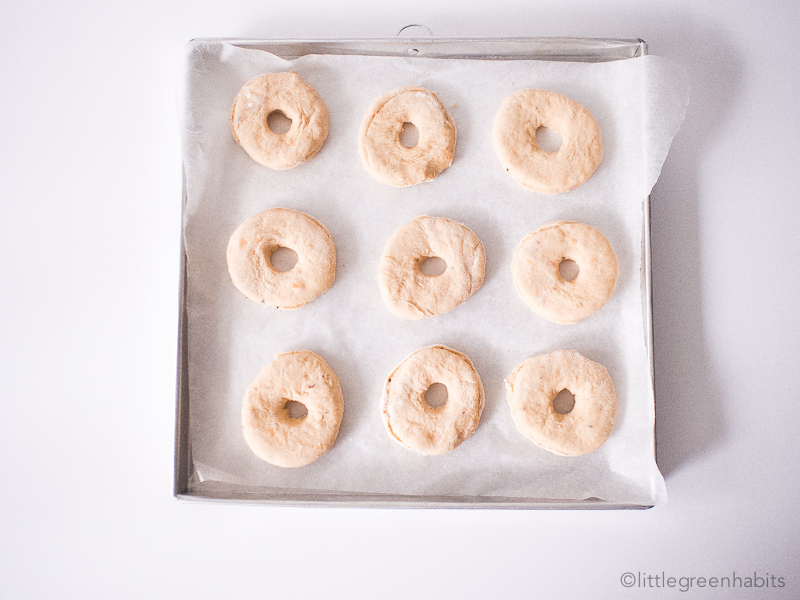
  6. Roll each portion to 1 cm thickness. Cut with a doughnut cutter. Bake at 170C for 10-15 minutes, turning halfway for even cooking.

Directions – Manual

  1. Make vegan eggs: mix 3 egg replacers with 6 tbsp water and whisk until foamy with a fork.
  2. In a large bowl, mix your non-dairy milk with vinegar. Add yeast and 1 tbsp of sugar, mix to dissolve.
  3. Add mashed sweet potatoes, coconut oil, and mix.
  4. Add the remaining sugar, baking powder, baking soda, salt, nutmeg and half of the flour. Beat until smooth.
  5. Stir in the remaining flour just enough to form soft dough. You may not need to use it all. Do not knead. Cover and let sit at room temperature for 1 hour.
  6. Turn onto a floured surface; divide into four equal portions.
  7. Roll each portion to 1 cm thickness. Cut with a doughnut cutter. Bake at 170C for 10-15 minutes, turning halfway for even cooking.

Notes and Tips:

  1. You can use white potatoes in place of sweet potatoes.
  2. If you don’t have a donut cutter, improvise with using the lid of a mason jar and the end of a funnel for cutting the holes.
  3. For healthier alternative you can replace raw sugar with coconut sugar, or you can also use 1/3 cup of Xylitol which has the sweetness of a cup of sugar with one-third of the calories

Sweet Potato Vegan Donuts

Did you make these vegan donuts?

Please let me know how it turned out for you! Leave a comment below and/or share a picture on Instagram with the hashtag #littlegreenhabits.

Love and greens,

Keren

Oats – for health and weight loss

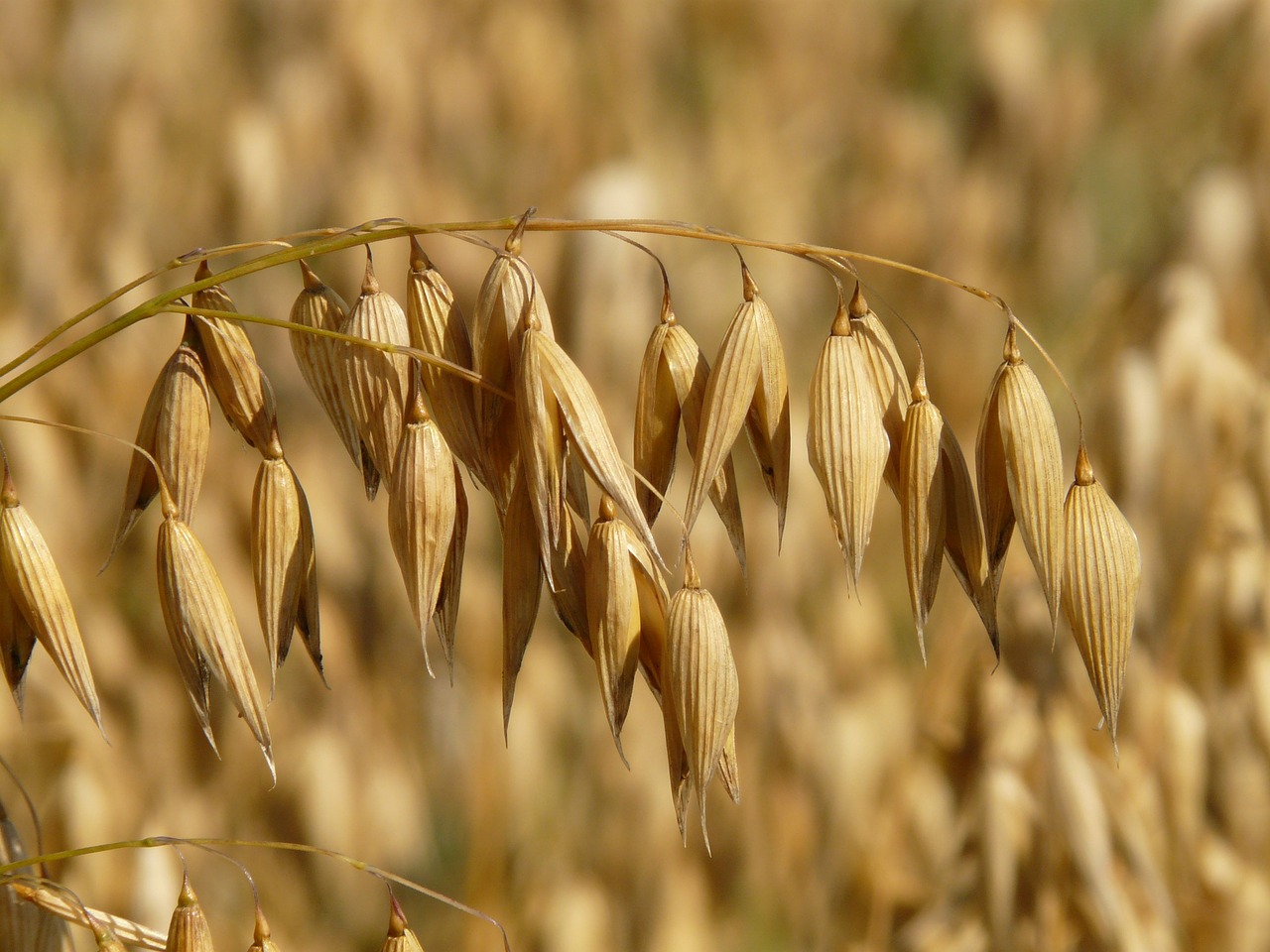
oats-701300_1280

My Oat Obsession

When I was young I ate so much oats and oatmeal porridge that my older brothers nicknamed me ‘Hoss’ (partially as a nod to the famous character on the 1950s-60s TV show ‘Bonanza’ – RIP Dan Blocker!). I was known to regularly fill up a small saucepan (read “chaff-bag”!) with thick oat porridge, sprinkle it liberally with brown sugar, splash on some milk and sit down for my favourite feast.

Over the years I haven’t quite kept up the same oat consumption, but I still enjoy the delights of oatmeal porridge, muesli, and even a sprinkling of rolled oats over my breakfast cereal.

It turns out that my oat obsession wasn’t such a bad thing health-wise either. When I was recently diagnosed with high cholesterol, one of the foods I researched that was recommended to help reduce high cholesterol levels was, you guessed it, oats.

oats-8946_1280

Health benefits of oats – a whole grain superfood

Did you know that oats are a great source of phosphorus, selenium and manganese? They’re a good source of soluble dietary fibre, iron, zinc and magnesium, and vitamin B1. Oats are also rich in carotenoids, tocols (Vitamin E), flavonoids and avenanthramides – a class of polyphenols.

Oats, oat bran, and oatmeal contain a specific type of fibre known as beta-glucan, which has been shown in many studies to reduce blood cholesterol levels, thus reducing the risk of heart disease. The intake of the equivalent of three grams of oat fibre (in one bowl of oatmeal) daily generally reduces total cholesterol by 8 to 23 percent.

According to an article from The George Mateljan Foundation, recent research suggests that oats may have another cardio-protective mechanism.

A study conducted at Tufts University and published in The Journal of Nutrition found that an antioxidant compounds unique to oats, called avenanthramides helps prevent free radicals from damaging LDL cholesterol.

Another study also conducted at Tufts and published in Atherosclerosis, researchers exposed human arterial wall cells to purified avenenthramides or oat phenols from oats for 24 hours, which significantly suppressed the production of several types of molecules involved in the attachment of monocytes (immune cells in the bloodstream) to the arterial wall—the first step in the development of atherosclerosis, or hardening of the arteries.

We know that consumption of dietary fibre and whole grain products such as oats can reduce the risk of high blood pressure and heart attack. Harvard researchers looked at the effects of cereal consumption on heart failure risk by following 21,376 participants in the Physicians Health Study over a period of 19.6 years. After adjusting for other factors (age, smoking, alcohol consumption, vegetable consumption, use of vitamins, exercise, and history of heart disease), the researchers discovered that men who enjoyed a daily morning bowl of whole grain (but not refined) cereal had a 29% lower risk of heart failure.

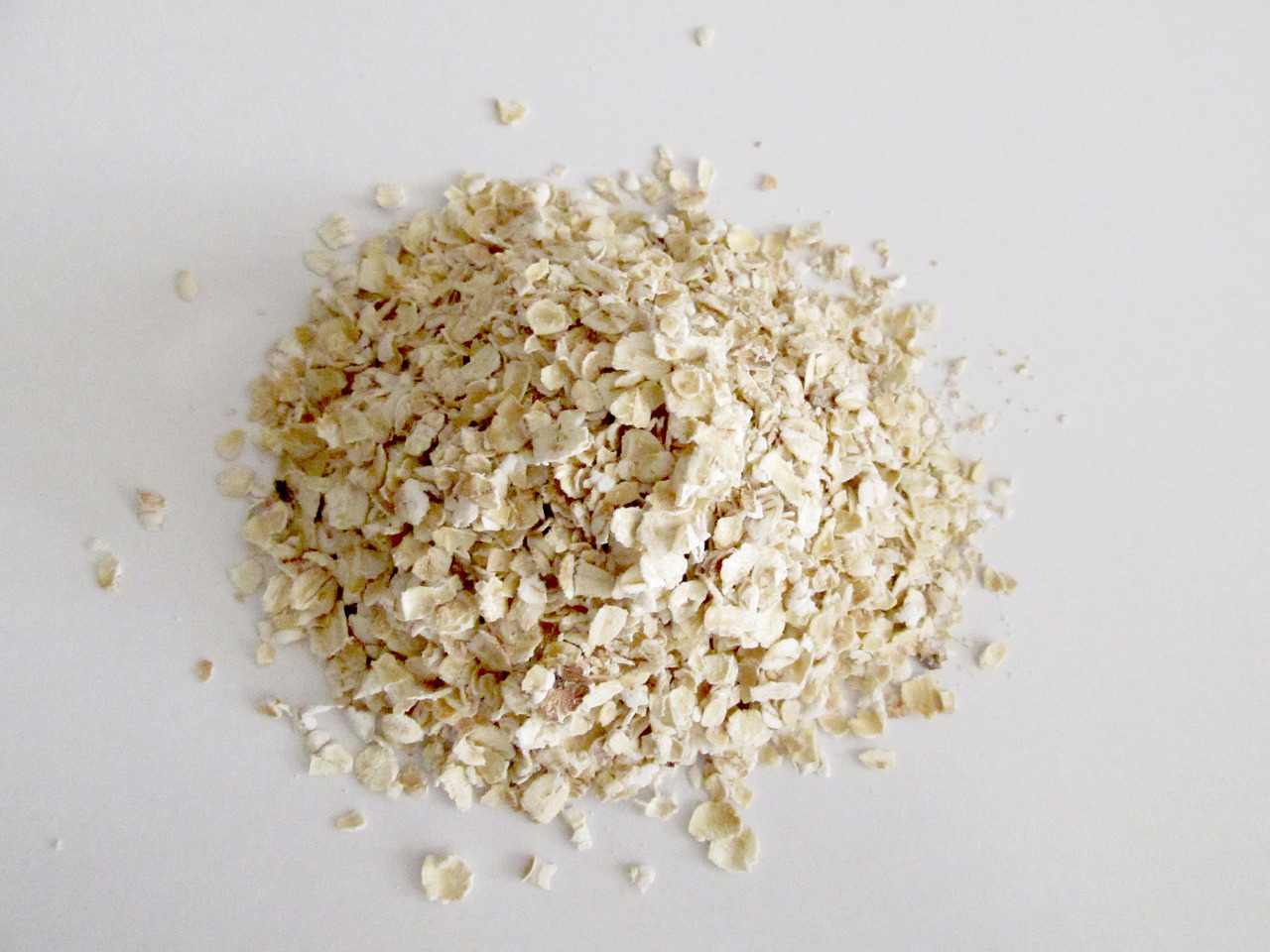
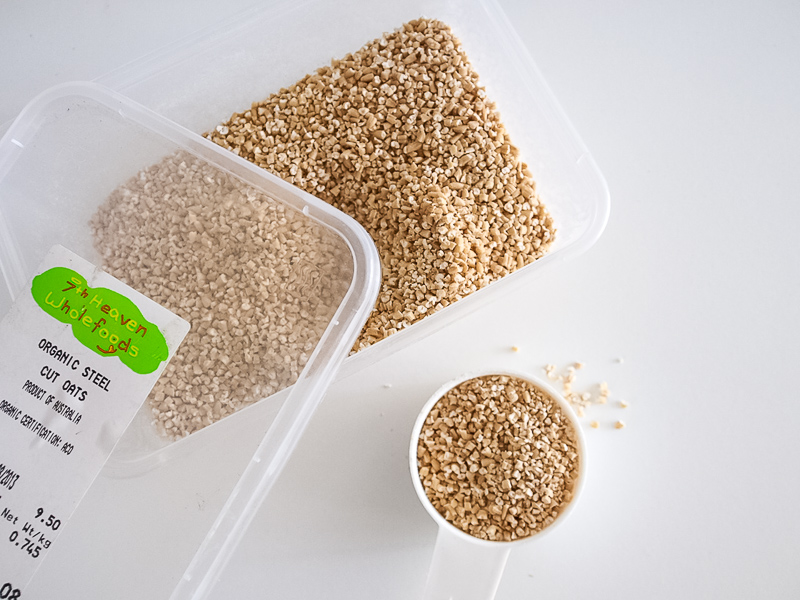
steelcut oats

Other oat health benefits

  • Management of diabetes. Oat’s beta-glucan has beneficial effects for diabetics. Type 2 diabetes patients given foods high in this type of oat fibre or given oatmeal or oat bran rich foods experienced much lower rises in blood sugar compared to those who were given white rice or bread. Researchers in Mannheim, Germany carried out a dietary intervention with 14 patients who had uncontrolled type 2 diabetes and insulin resistance. The patients were introduced to a diabetes-appropriate diet containing oatmeal during a short hospital stay, then examined again four weeks later. On average, patients achieved a 40% reduction in insulin dosage – and maintained the reduction even after 4 weeks on their own at home.
  • Protection against breast cancer. When researchers looked at how much fiber 35,972 participants in the UK Women’s Cohort Study ate, they found a diet rich in fibre from whole grains, such as oats, and fruit offered significant protection against breast cancer for pre-menopausal women. (Cade JE, Burley VJ, et al., International Journal of Epidemiology).
  • Immune system booster. In laboratory studies reported inSurgery, beta-glucan significantly enhanced the human immune system’s response to bacterial infection.
  • Lowering risk of colorectal cancer. Researchers in Britain and the Netherlands pooled published evidence that covered nearly 2 million people to evaluate whether a high fibre diet (mainly from whole grains and cereals like oats) is linked to a lower risk of colorectal cancer, and found that for every additional 10g of fiber in someone’s diet there is a 10% reduction in their risk of developing colorectal cancer.
  • Management of blood pressure. An article published in the American Journal of Clinical Nutrition concluded that a diet which includes plenty of whole-grains (such as oats or wholemeal bread) is just as effective as taking anti-hypertensive medication in lowering blood pressure.
  • Protection against hormone-dependent cancer. A phytochemical especially abundant in whole grains including oats are plant lignans, which are thought to protect against breast and other hormone-dependent cancers as well as heart disease.

Several studies suggest that eating whole grains such as oats has been linked to protection against atherosclerosis, ischemic stroke, diabetes, insulin resistance, obesity, and premature death. A new study and accompanying editorial, published in the American Journal of Clinical Nutrition explains the likely reasons behind these findings and recommends at least 3 servings of whole grains should be eaten daily. So much for the Paleo proponents’ claim that whole grains aren’t any good for you!

Oats for weight loss and appetite control

Studies have revealed that starting the day with a nutritious, fibre-rich meal such as oats can help with maintaining a healthy weight. A cup of oatmeal is only 130 calories. It stays in your stomach longer, making you feel full longer, with less hunger and cravings.

Australian researchers studied fourteen people who ate a control meal and three different cereals with different levels of oat beta glucan. They then collected blood samples for four hours after each meal, and found a significant dose response between higher levels of oat beta glucan and higher levels of Peptide Y-Y, a hormone associated with appetite control.

Also in Australia, researchers at the University of Sydney fed 38 different foods, one by one, to 11-13 different people, then asked them to report their “satiety” or fullness every 15 minutes for the next two hours. From this, they ranked all 38 foods in a “Satiety Index.” Oatmeal rated #3 overall for making people feel satisfied and full, and it rated #1 in the breakfast food group.

Information Sources:

strawberries-498207_1280

Cooking and eating oats

The distinctive flavour associated with oats is partly due to the roasting process they undergo after being harvested and cleaned. Oats are then hulled, though this process does not strip away their bran or their germ, which allows them to retain a concentrated source of their fibre and nutrients.

Versatile oats can be eaten raw or cooked as porridge; made into oat flour; oat bran (the outer layer of the grain that resides under the hull); added to baked goods (oat cookies, oat cakes), and even consumed as oat milk.

Tom’s Quick and Easy Oatmeal

I have a favourite, very quick and easy way to cook low-fat healthy oatmeal porridge:

Ingredients:

  • Half-cup of rolled oats
  • One cup of water

Method:

  • Add ingredients to a microwave bowl with lid.
  • Microwave (or alternatively cook in saucepan) for 2 minutes.
  • Stir ingredients well, then serve.

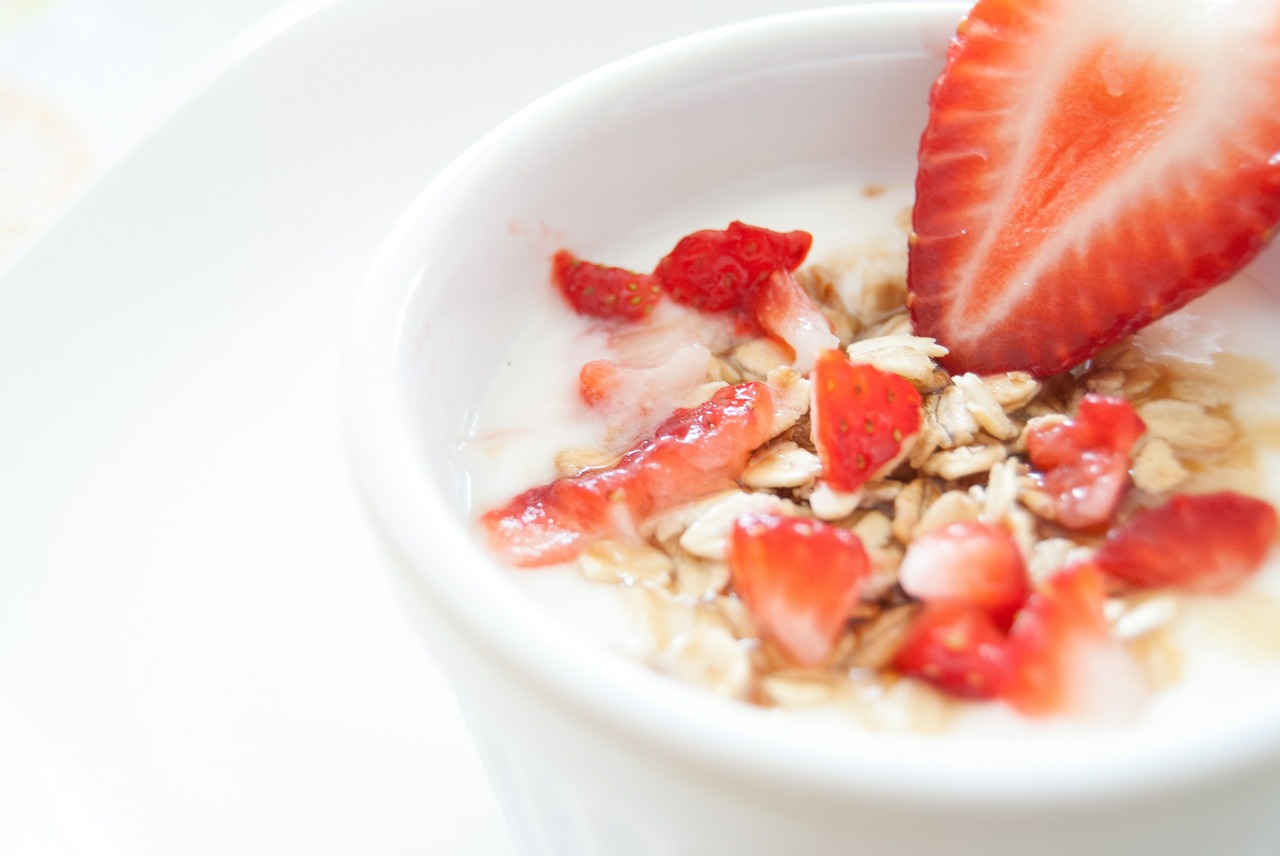
Depending on taste, you can then add fresh fruit such as banana, berries, or dried fruit for texture and natural sweetener. I also add some ground flax seed for omega 3 fats, and soy-milk (I drink fat-free), although you can add the milk of your choice (oat milk is also recommended).

How do you like your oats? Maybe you enjoy other oaty treats like our Anzac biscuitOat Bread, or our Steel Cut Oat Power Porridge.

Let us know in the comments.

Tom Perry
 

Cowspiracy – the secret impact of our food choices will shock you!

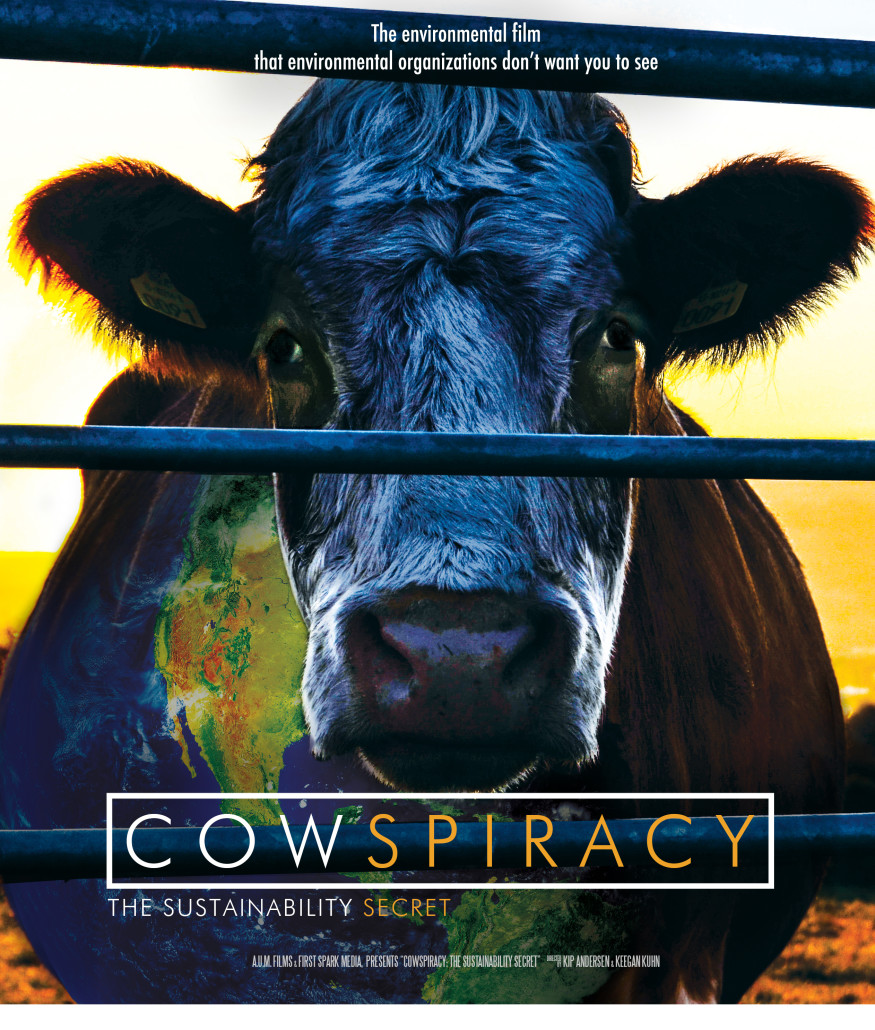
Cowspiracy_ScreeningPoster3

A while ago I attended the first screening of the documentary Cowspiracy: The Sustainability Secret

Cowspiracy is a shocking yet humorous documentary following the journey of a young environmentalist, Kip Anderson, as he seeks to find the real solution to environmental issues we face today. Kip ends up uncovering the most destructive industry facing the planet, and investigates why the world’s leading environmental organizations are too afraid to talk about it.

In the face of the confronting data Kip went looking for answers from all the major environment agencies. He found none.

Nobody wanted to speak up, and Kip’s funding for the movie was cut as no agencies were willing to support him once they knew where he was heading.

In Cowspiracy we see industries and government agencies advocating a variety of recommendations for reducing our environmental impact; including using ethanol-mixed petrol, driving less, reusing and recycling, or even paying for ‘greener’ air travel, among other initiatives. But how come no one tells us we can achieve the same end, if not to a greater extent, by eating less animal products?

calf-362170_1280

I need to be honest here. I’m not an environmentalist. I don’t carry reusable coffee cups, I don’t use my green bags every time I do grocery shopping, and you won’t see me wearing second hand clothes anytime soon.

The hard truth is that I’m as motivated to do something about the environment as much as I am about cleaning the house. Meaning: if I could get away without doing anything, I’d be glad.

I won’t do anything more than necessary to keep the house clean and I certainly would have someone else do the cleaning if I could. But that’s not to say I don’t care about the environment. As much as I hate vacuuming, I do it regularly to keep the house clean. Likewise, as much as I hate sorting my rubbish or paying more for environmental-friendly items, I do it as well because I need to, I have to. The planet Earth is my home, and I want to look after it as much as it has been looking after me all this time. After all, it’s your home, too!

tree-stump-395537_1280

Information is a powerful thing. Knowledge is indeed power. Once you’ve learned something, you can’t unlearn it. And here are some of the many things I’ve learned about the environmental impact of food we eat through watching the movie Cowspiracy:

  • 30% of our dry land is being used for livestock production
  • Animal agriculture accounts for 18 percent of greenhouse gas emissions, more than the combined exhaust from all transportation
  • Even without fossil fuels, we will exceed our 565 gigatonnes CO2 emission limit by 2030, all from raising animals for food
  • You need 4500 litres of water to produce a single 220g steak

When it comes to our surroundings, our meat, dairy and egg consumption has more of a negative impact upon the environment compared to any other earth-destroying activities that we do, including the burning of fossil fuels, landfill and our non-degradable synthetic materials like plastic.

How much water do you think is need to make enough beef for a humble beef-burger? How about enough water for a week long shower! 

One beef burger = 7 days of shower. That’s insane!

amazon-783712_1280

If by eating less meat you could help reverse the damage the agriculture industry causes to the environment, would you do it?

If by swapping your eggs for beans and toast on your breakfast plate you could help arrest the destruction of our planet, would you do it?

If the simple act of changing your eating habits, no matter how small, could have a profound impact upon the environment, much more than any reduction in fossil fuels might accomplish, would you give it a try?

This movie will make you ask yourself those questions. It will open your eyes to some crazy facts that no one is telling you.

Don’t take my word for it, just like you shouldn’t take anyone’s word for anything. Watch the movie, do your own research and be an informed citizen. I promise the truth will shock and challenge you.

PS: Cowspiracy is now available on Netflix, thanks to Leonardo DiCaprio who, aside from being an awesome actor, is also a passionate environmental activist. If the movie is good enough for Leo to promote it to Netflix, I think it would be good enough for you to check out!

Watch it and let me know what you think!

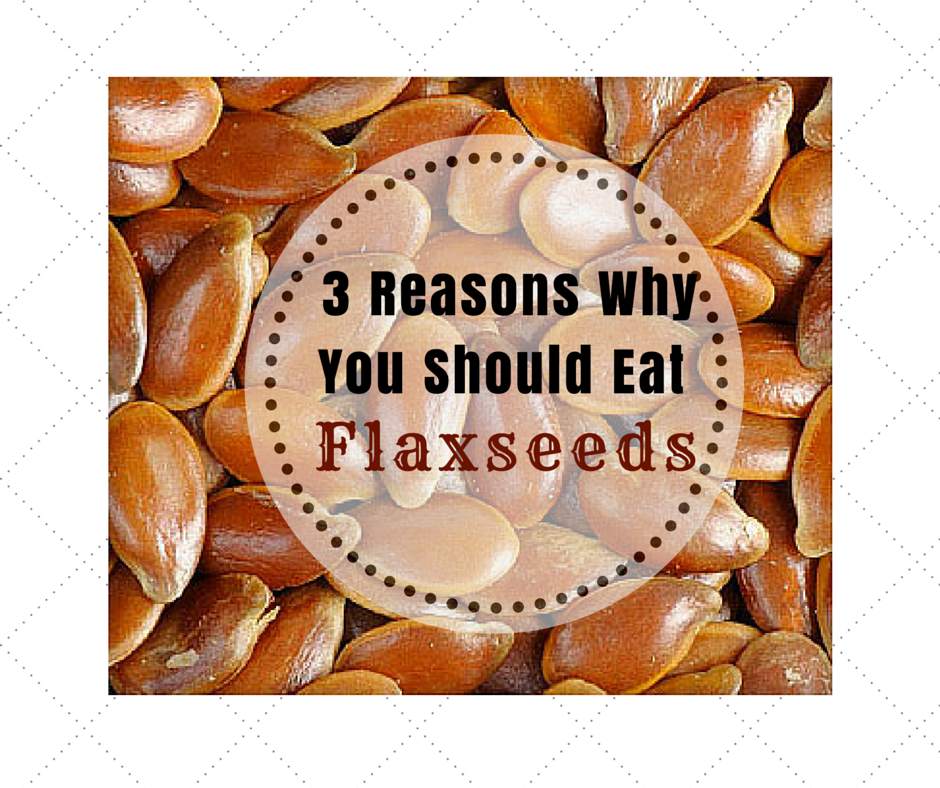
3 Reasons Why You Should Eat Flaxseeds

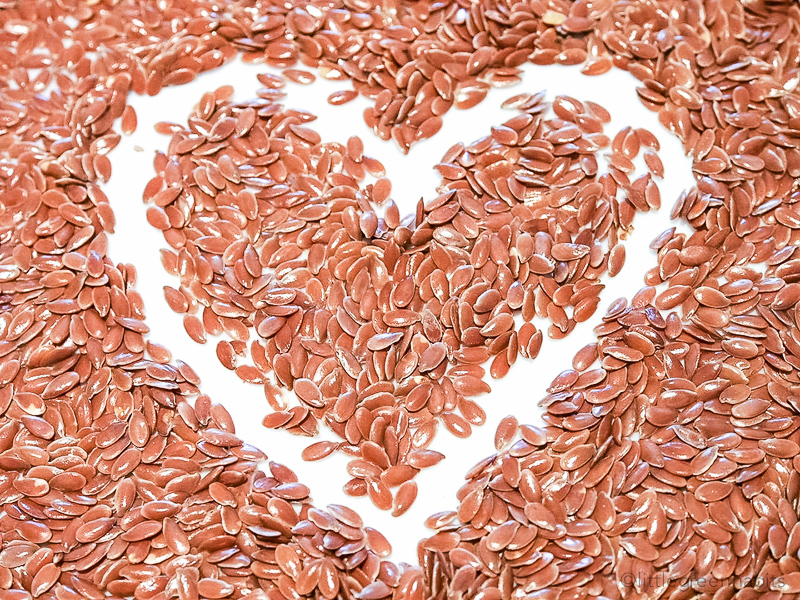
Linseed

Flaxseeds – a nutritional powerhouse

What are flaxseeds?

Flaxseeds, otherwise known as linseeds, are tiny seeds that were cultivated as early as 3000 BC in Babylon. They are found in many processed foods, from crackers to frozen waffles. The American Flax Council estimates close to 300 new flax-based products were launched in the U.S. and Canada in 2010 alone.

Copy of 3 Reasons Why You Should Eat Flaxseeds

Why is flaxseed good for you?

A WebMD article by Elaine Magee, MPH, RD lists the health benefits of this little seed that packs a huge punch in the healthy food stakes.

The myriad health benefits of flaxseed can be attributed to three main factors:

  1. Flaxseeds are one of the best plant-based sources of essential omega-3 fats. Flaxseeds contain 50 to 60 per cent omega-3 fatty acids in the form of alpha linolenic acid (ALA). A tablespoon of flaxseeds contains about 1.8 grams of omega-3.
  2. Flaxseed contains 75 to 800 times more lignans than other plant foods. Lignans are phytoestrogens which researchers have found helpful in preventing heart disease, protecting against inflammatory disorders and certain cancers, and lowering your cholesterol.
  3. Flaxseeds are also rich in B vitamins, dietary fibre, protein and potassium.

Golden vs Brown Flaxseed

There are two types of flax seeds, golden and brown coloured flaxseeds. Brown flax seeds is usually easier to find than golden flax seeds. Some argue that golden flax seeds are superior than brown but according to a recent study done by Canada Grain Commission, evidence points to nutritional equality of brown and golden flax seeds

Lignans may help protect against cancer by blocking enzymes that are involved in hormone metabolism and interfering with the growth and spread of tumor cells. Studies indicate that flaxseed may have a protective effect against breast cancer, as well as other cancers such as prostate cancer, and colon cancer.

Plant-derived omega-3 fats may help the cardiovascular system through several different mechanisms, including anti-inflammatory action and normalizing the heartbeat. New research also suggests significant blood pressure-lowering effects of flaxseed.

“Lignans in flaxseed have been shown to reduce atherosclerotic plaque build-up by up to 75%,” says Kelley C. Fitzpatrick, director of health and nutrition with the Flax Council of Canada.

Linseed-17

Eating flaxseed daily may also help manage your cholesterol levels. The level of LDL or “bad” cholesterol in the bloodstream has been linked to an increased risk of heart disease, obesity, diabetes, and metabolic syndrome.

Findings published in the American Journal Of Clinical Nutrition found that the seeds (not flaxseed oil) can reduce total and LDL (bad) cholesterol by a significant amount, particularly in post-menopausal women. A study published in the Journal Of Clinical Oncology found that ground flaxseed slow the growth of prostate cancer tumours.

How should you use flaxseed in your diet?

  • Add flaxseed (ground or whole) on cereal, added to homemade bread, mixed into soups and stews, or blended into smoothies.
  • Make flaxseeds gel by combining ground flaxseed with water, and use it to thicken soups or dessert.
  • Make flax-egg by mixing 1 tablespoon of ground flaxseed with 3 tablespoons of water and used it as an egg replacement in baked goods.

Do you have flaxseed in your diet, and if so, how do you consume it?

Tom Perry
Further Reading and References:

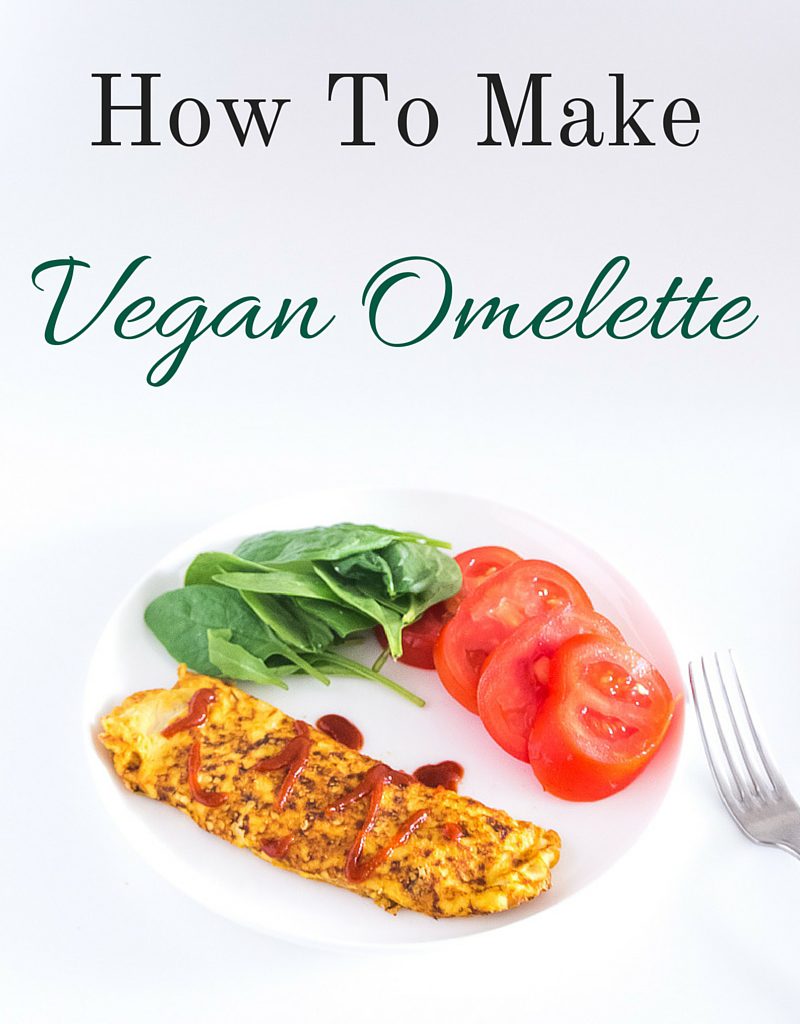
How To Make a Vegan Omelette

Vegan omelette-49

One of the things I love about plantbased cooking is how creative it is. I mean, who would have thought you can make omelette without egg? As the saying goes, creativity often stems from scarcity. I think it’s true. Take away meat, egg, butter and cheese, and most cooks (and chefs) would be scratching their head when it comes to cooking. Hence the perception that plantbased food is boring and plain. This recipe breaks all the conventional cooking rules and it’s tasty, egg-y, healthy and of course, 100% vegan.

Why I love it:

Though it doesn’t taste exactly like egg omelette, the texture is very close and the complexity of flavour is on point. The addition of kala namak or black salt gives it an egg-y punch. The high sulphur content of kala namak gives it the distinct smell and taste of egg. Who would have thought that salt can taste and smell like egg! Such is the wonder of Mother Nature. You can get kala namak at most health food stores.

It’s low in fat, and contains zero cholesterol. Chickpeas are rich in soluble and insoluble fiber, folate, and magnesium. It’s also a good source of iron and the immune-boosting zinc and copper.

How to make vegan omelette

Tips for making the perfect vegan omelette:

  1. Cook the batter thoroughly. You don’t want runny, uncooked batter. Use a pan with a lid (aluminium foil works too if you have no lid) so you can cook the batter thoroughly.
  2. Use kala namak and nutritional yeast to get that ‘eggy’ taste
  3. Add red onion and non-dairy cheese for savoury, cheesy flavour
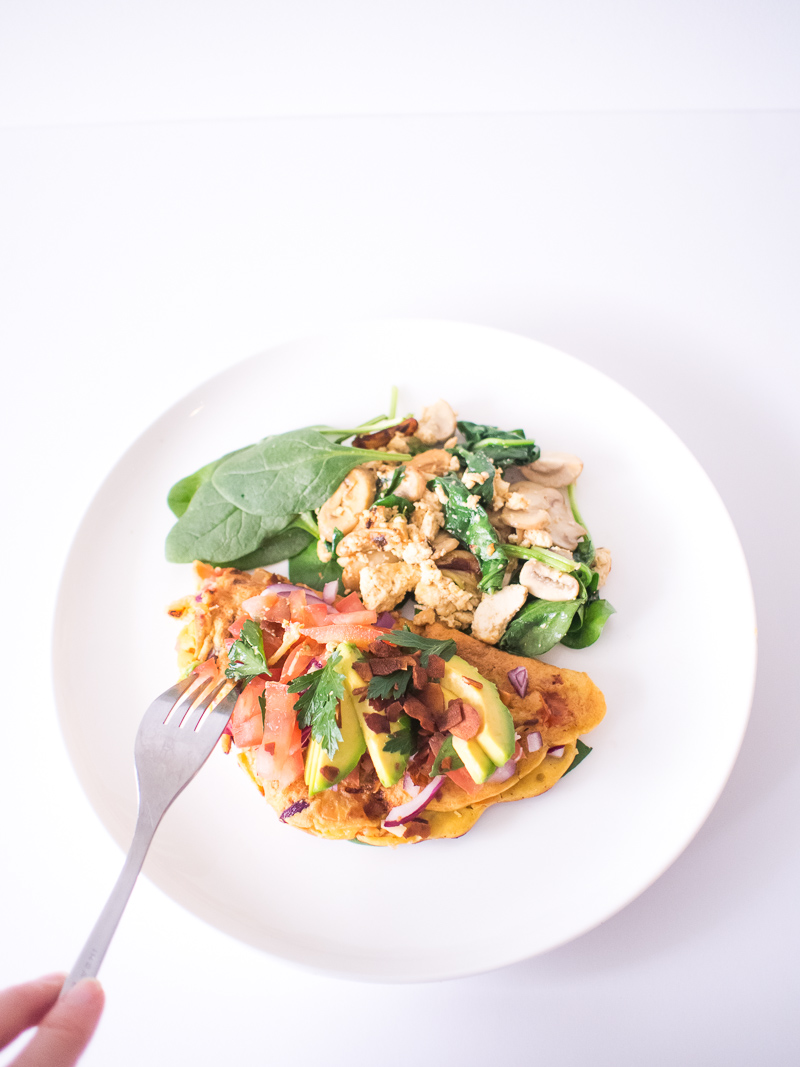
  4. Fill with mushroom and spinach to make a big breakfast omelette
  5. Do not overfill as it will make the batter too runny and you’ll end up with scrambled egg instead of omelette. May not be a bad thing.
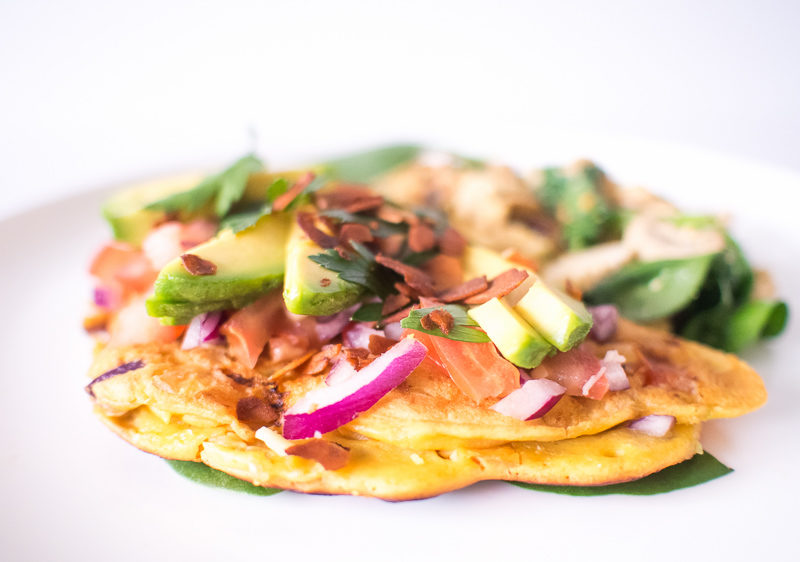
  6. Serve with some avocado for added creaminess, and some Kinda Bacon for crunch and bacon-y boost.

Omelette anyone?

Vegan omelette-51


Vegan Omelette
Recipe Type: Breakfast
Author: Keren
Prep time:
Cook time:
Total time:
Serves: 2
Ingredients
  • 1 cup chickpeas, flour
  • 1 cup non dairy milk
  • 2 tbsp apple cider vinegar
  • ¼ tsp baking soda
  • ¼ tsp onion powder
  • ¼ tsp garlic powder
  • ¼ tsp kala namak (black salt)
  • 2 tsp nutritional yeast
  • ½ tsp salt
  • 3 Tbsp of you favourite filling (optional)
Instructions
  1. Prepare Cuisine Companion (CC) bowl with mixing blade.
  2. Add all ingredients into CC bowl and mix at speed 10 for 60 seconds until mixed through. Scraping the sides of the bowl if required.
  3. Heat a non stick pan, on low heat
  4. Pour ¼ cup batter, cook for 2 minutes and then close the lid and cook for another minute
  5. Add your filling if using
  6. Fold and cook for another 2 minutes until it’s cooked
  7. Sprinkle with some freshly ground pepper and kala namak and serve with some tomato sauce
Notes
I use my trusted Cuisine Companion for this recipe as I often make them double or triple the batch size. If you don’t have a Cuisine Companion, get one :D, or you can blend all the ingredients in a blender.

Did you make this recipe?

Please let me know how it turned out for you! Leave a comment below or share a picture on Instagram. I’d love to see it.

Vegan omelette-57


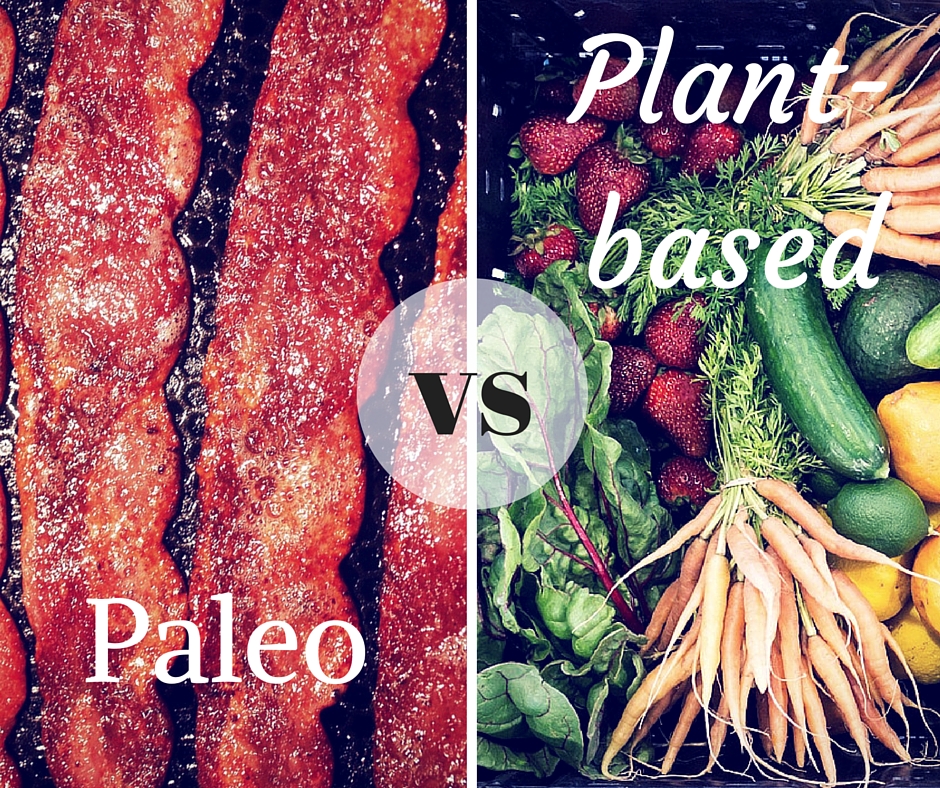
Paleo vs Plantbased

Paleo vs. Plantbased

Where did Paleo come from?

I loved watching ‘The Flintstones’ when I was a kid (showing my age, I know!). This cartoon, set in the stone-age, was a pioneering sitcom reflecting 1960’s suburban life in America, and poked fun at the vain, lazy, and self-absorbed Fred Flintstone; long before Homer Simpson existed.

But did I believe that ancient humans actually lived like that? Of course not!

It’s a natural human tendency to idealise or romanticise the past, especially when it’s so far back in the mists of time.

The ‘Paleo’ diet is a food fantasy cleverly marketed as dietary ‘cure-all’ harking back to a mythical stone-age past. It’s been around for quite a while, too, in some form or another.

In his 1975 book ‘The Stone Age Diet: Based on in-depth Studies of Human Ecology and the Diet of Man’ Walter L. Voegtlin argued that that the ancestral human Paleolithic diet was that of a carnivore — chiefly (animal) fats and protein, with only small amounts of carbohydrates.

In 1988 S. Boyd Eaton, Marjorie Shostak and Melvin Konner published a book about Paleolithic nutrition. From the end of the 1990s, some medical doctors and nutritionists promoted a return to a so-called Paleolithic (pre-agricultural) diet.

In 2002, Dr Lauren Cordain, who holds a doctorate in physical education, published his bestselling book “The Paleo Diet” that summarized research on the subject and provided practical advice on “the diet you were designed to eat”.

So, was Fred Flintstone and his buddies really hairy-chested hunters of woolly mammoths? While it’s true that Fred worked at the Slate Rock & Gravel Company in the town of Bedrock, the short answer is ‘no’.

cave-painting-936619_1280

The Problem with Paleo

The Paleolithic period is the earliest period of human development, and lasted from 2.6 million years ago to about 12,000 years ago, across many continents, and during a wide range of climatic conditions (including a few ice ages). Apart from the huge variations in time, location and climate, there are several other anomalies with Paleo that were detailed in a Scientific American article:

  • Put simply, true Paleo foods are not around anymore, and certainly not in your local supermarket. Almost every species commonly consumed today—whether a fruit, vegetable or animal—is vastly different from its Paleolithic predecessor. Animals and plants used for consumption have been genetically bred and modified to increase production and favour preferred features (such as bananas without seeds) to such an extent that it is now impossible to eat like a human from the Paleolithic period – short of taking a historical ride in a time machine!
  • Contrary to Paleo proponents’ claims, Paleolithic humans did eat grains and legumes, and may have even cooked them. Recent research out of Italy shows that humans were eating grains well before modern agriculture. Marta Mariotti Lippi and her colleagues at the University of Florence found traces of oats on an ancient grinding tool in Southern Italy dating 32,000 years ago, about 20,000 years before farming was developed. Lippi says this isn’t the only instance of evidence pointing to ancient people eating starch. “In Central Italy they ate starch from cattail,” Lippi said. “In the Middle East, starch from wild wheat. In Russia and Moravia, they were eating starch, but we do not know which plants they processed.” And don’t forget, legumes and whole grains are excellent sources of fibre, protein, and other phyto-nutrients that form part of a healthy diet.
  • Humans have evolved since 12,000 years ago, in contrast to Paleo lore, which teaches that our eating preferences are stuck in the stone-age. Genetic mutations, such as a tolerance for dairy in some populations, blue eyes, some people evolving extra copies of the amylase enzyme so they can more easily digest starches, have all occurred with the last 5,000 to 10,000 years. It is clear our bodies are easily capable of evolving fast enough in 12,000 years to accommodate new foods.
  • Paleo diets can induce weight loss, but in an unhealthy way. Too much animal fat and animal protein can lead to a host of health problems. It is also ethically problematic. According to vegan dietitian Amanda Benham;

“Any diet [such as Paleo] that requires animals to be slaughtered, exploited or kept in captivity has something seriously wrong with it from an ethical viewpoint. Also I don’t recommend them on health grounds. They encourage unhealthy eating patterns such as high consumption of animal products (such as meat and eggs), which are loaded with saturated fats and cholesterol and devoid of fibre and other beneficial plant components. In the long run they unsustainable and any weight lost is readily regained.

“Another problem with diets high in animal products is that they have a much larger environmental footprint than plant-based diets. Producing food from animals requires a much greater use of resources such as land, water and fossil fuels than producing food from plants. It is also a waste of food itself to get our calories and protein from animal products, as many more times the amount of protein and calories from plants must be fed to animals than is actually produced. Also, raising cattle and other ruminants for meat and/or milk production is a major contributor to global warming via methane gas production.”

book-570102_1280

Our true Paleo history

In a Scientific American article Rob Dunn, science writer and biologist in the Department of Biology at North Carolina State University, argues that when taken too literally such diets are ridiculous.

One problem is deciding which group of ancestors to take our dietary advice from. Are the stone-age diet gurus Neanderthals, Homo Erectus or the Flintstone Family (Brontosaurus ribs anyone)? If we look at our closest ape relatives, chimpanzees, the answer to our dietary past is clear – it was mostly vegetarian. Chimpanzees do sometimes kill and devour a smaller animal like a monkey. However the proportion of the diet of the average chimpanzee composed of meat is small, less than 3% by mass. As Rob Dunn notes:

“The majority of the food consumed by primates today–and every indication is for the last thirty million years–is vegetable, not animal. Plants are what our apey and even earlier ancestors ate; they were our paleo diet for most of the last thirty million years during which our bodies, and our guts in particular, were evolving.”

So, to return a healthy, halcyon ancient diet regime Rob Dunn has more advice:

“If you want to return to your ancestral diet, … you might reasonably eat what our ancestors spent the most time eating during the largest periods of the evolution of our guts, fruits, nuts, and vegetables—especially fungus-covered tropical leaves.”

Hmmm – perhaps we’ll leave the fungus-covered leaves out of our green salad for now…

Rather than dwell too much on what our ancient ancestors ate, the key question is, what is the healthiest option right now, today? Whether you eat meat or meat alternatives, it is clear from mainstream nutrition advice that most of our diet should consist of fruit, vegetables, legumes, nuts and complex carbohydrates (whole grains).

References:

http://www.nutritionaustralia.org/national/resource/healthy-living-pyramid

http://www.helpguide.org/life/healthy_eating_diet.htm#tip4

https://www.drfuhrman.com/library/foodpyramid.aspx

Tom Perry
How Food Should Make You Feel

Introduction: This is a guest post written by Nat (a.k.a Buzz), Keren’s significant other and a self-professed non-foodie who got dragged into the plantbased lifestyle a couple years ago. Though he’s not a vegan, he now eats mainly plantbased and loves sharing his experience on eating plantbased foods.

Nat's Plate

How Food Should Make You Feel

I’m not particularly interested in food per se. I don’t take photographs of everything I eat. I abhor trying new dishes and am perfectly happy to eat the same dish of the plainest ingredients imaginable three times every single day, and yet I still need food, just like you and everybody else. Whether you view food as a religion to be celebrated or as a mundane chore such as filling up the car with petrol or as a precursor to getting lucky on a date, we all still need to eat, and the stomachs of the dainty connoisseur and the Neanderthal rumble equally as loudly when we go without.

While I don’t profess to have any special knowledge of the flavours, nutritional value or health benefits of the food I eat, I do know how it makes me feel. I’m not talking about whether I feel enlightened, virtuous for sparing the lives of our furry friends or any such abstract notions. I’m talking about how the food feels when at rest in my stomach. And just because it might look or smell delicious prior to consumption or taste nice when gobbling it down doesn’t necessarily mean you’ll feel good afterwards. We all know the feeling of having had something excessively sweet, salty or fried which, no matter how appetising or tasty it was in the first place, leaves you feeling a little bit sick or bloated after you have it.
OLYMPUS DIGITAL CAMERA

Food, as far as I’m concerned, should make you feel good before, during and after consumption. When I have a pizza, for example, it certainly makes my mouth water when I’m waiting for it to be ready, it smells nice when I lift it to my mouth, it tastes delicious when I’m eating it, but after I have it, when the meal ends, how do I feel? I feel thick, bloated and anything but full of energy and gusto and it takes me hours to get back to normal. That can hardly be the rightful purpose of food. What good was the meal if it doesn’t leave you feeling better after than before you sat down to begin eating? I don’t think anyone feels as ready and capable after a pizza than before.

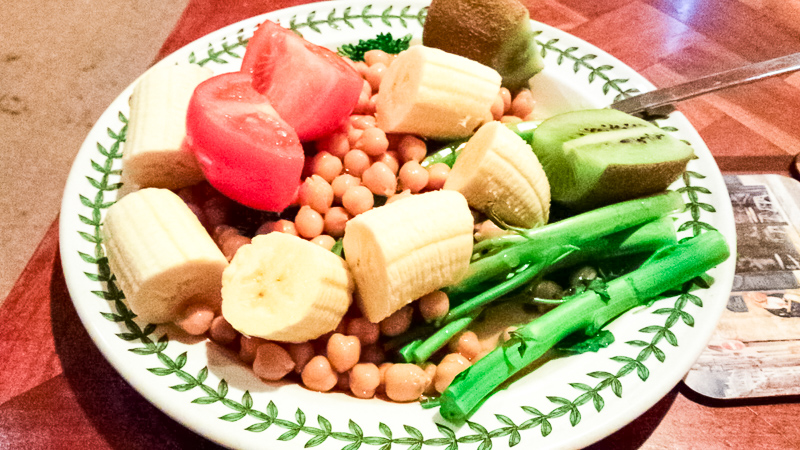
In contrast, when I have a big plate of steamed vegetables, a couple of tomatoes, a piece of kiwi fruit and a few other green-themed odds and ends, no matter how much I have to eat (and it’s really hard to consume ‘too much’ of those ingredients), no matter the circumstances, I always feel refreshed, I feel strong and healthy and I’m ready to get going and do something useful straight afterwards. I don’t think I’ve ever pushed away from the table after a vegetable-themed orgy and complained that I’ve had too much to eat or that I’m not feeling at my best. It’s only when there’s a foreign invader among the array of vegetables, such as a pizza, a sausage roll or a sugary cake, that my stomach gets tripped up and malfunctions
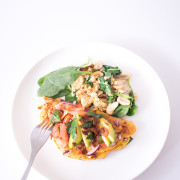
I won’t delve into specifics such as nutritional content, counting calories, grams of protein or simple and complex sugars. That’s for others more knowledgeable than me to canvass. The real litmus test for food ignoramuses such as myself is simple: how does it feel after you eat it? If it doesn’t feel good, then it’s not good for you, period. It doesn’t matter what it is, really, because the point of food, the whole purpose, should be to refuel and recharge you, not make you feel fat, bloated or sleepy. So ask yourself when you eat so-and-so, “how does it make me feel?” and use that as a starting point.

Home Cooked Meals

I love beef burgers, but they make me feel fat and tired. I’d push my mother over in the race for a tasty Hawaiian pizza, but afterwards I won’t be in any condition to push anyone around. Milkshakes are Heaven’s gift but the last time I had one I fell asleep at ten o’clock in the morning. I can go on and on, but I’m sure you all can use your own experiences to fill in the gaps.

So what foods make me feel good? What recharges me and leaves me in fighting shape and what renders me hors d’ combat?

The short answer is that anything green or plant-based sits very comfortably in my stomach after consumption. My girlfriend suffers from an incurable condition which compels her to fill herself, and myself, with the greenest gunk imaginable. And you know what? Regardless of how it looks before and tastes during (and it does taste very nice), it feels good afterwards. It feels better than anything else I have to eat. Oftentimes when I have a big plate of vegetables and assorted odds and ends (certainly as large a plate as a plate containing a burger and fries), even when I’ve had more than enough to eat, my stomach’s still got a slight rumble which I interpret as the sign of a beast temporarily satisfied but not in a food-induced coma. And I think that’s how food should make you feel. It should fill you up but not stuff you silly. It should refresh you but not wear you down. It should look good, taste good and feel good afterwards.

If your priority is performance, as mine is, if you couldn’t care less about how a dish looks on Instagram, if you just want to get something which tastes nice and leaves you feeling strong, heathy and capable, afterwards, then be honest with yourself about which dishes achieve the desired effect.

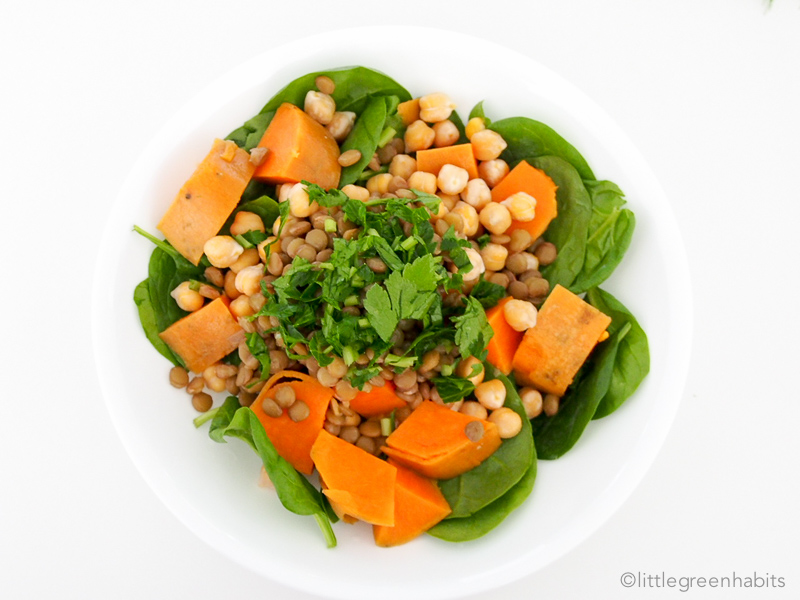
Sweet potato spinach salad-002

The more greens I get, the better I feel. Red meat doesn’t work for me anymore. Bread needs to be approached with caution. Sugar and dairy products are fatal to the touch. Some trial and error will lead you to some very simple conclusions. I want to eat well and feel good, and I don’t care what it is I’m eating as long as it meets that criteria. And the conclusion I’ve reached is that the less meat, dairy and sugar I eat, the better I feel. And isn’t that the important thing- how I feel? It doesn’t matter what I’m eating as long as I’m feeling at my best.

Ask yourself what makes you feel your best. Forget about the clichés and stereotypes that you need bucket loads of meat and milk to get your protein. Focus on results. And which foods give you the best results? Focus on those foods, no matter what colour they are.