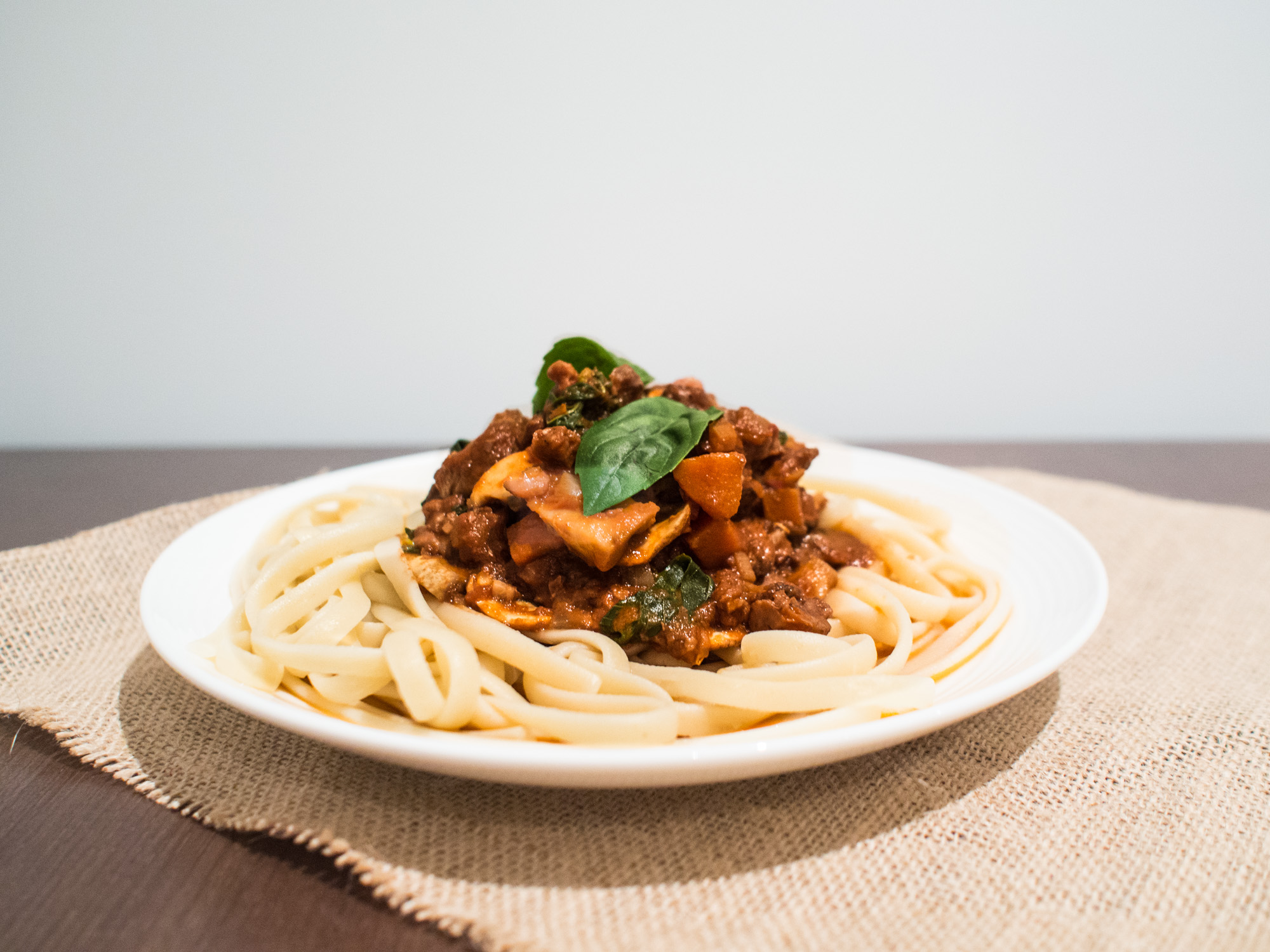
Vegan Bolognaise With Walnut And Mushroom

Spaghetti bolognaise is one of my favourite childhood comfort foods. It wasn’t something that our family would eat regularly so growing up, it would be a real treat for me whenever we went out to have spaghetti bolognaise!

I also owe my English language skills to this lovely dish. During my teens, I was studying English at an International College which ran classes on weeknights and on the weekend. It has a cafe that served spaghetti bolognaise amongst a list of Western dishes they had on their menu. There were times when I was tired and didn’t feel like going to class but I would go anyway as I didn’t want to miss out of having spaghetti bolognaise for lunch or dinner after class. It was a great motivator to study English!

Though this vegan bolognaise recipe is miles different to what I had then but it’s delicious just the same. It’s meaty, without having any actual meat in the ingredients, fragrant, mildly spicy and very, very comforting.


Vegan bolognaise sauce

vegan-spaghetti-bolognaise-9

Why I love it:

This dish brings me back to my childhood. I love the aroma and the tast of fresh basil cutting through the richness of the sauce. I love the chewiness and the meatiness of the mushrooms and the walnuts.  And I especially love trying to gently slurp the spaghetti strands from the bowl and attempting to make as little mess all over the chair and the floor. It never works but hey, one can try.

It’s meatless but it’s full of flavour and satisfying . It’s simple to make, delicious and satisfying. It’s also healthy and nutritious.

  • Walnuts are rich in omega-3 which is essential for normal brain function. They are also rich in alpha-linolenic acid (ALA), which is known to help lower “bad” cholesterol and reduce inflammation and oxidative stress. A study has also found that walnuts contains melatonin, which helps with sleep regulation, circadian rhythms and light-dark adjustment.
  • Mushrooms are not only a great meat replacement it’s also great for weight management. They’re very low in saturated fat and cholesterol and also are a good source of protein and folate which supports your brain and nervous system. They are also critical for red blood cell production (folate, iron, copper, vitamin B12, and vitamin B6, are necessary for the production of red blood cells) as well as supporting reproductive health in women.

Vegan bolognaise sauce


Vegan Bolognaise With Walnut And Mushroom
Recipe Type: Main
Author: Keren
Prep time:
Cook time:
Total time:
Serves: 4
Ingredients
  • 5 cloves garlic, chopped
  • 1 large onion, chopped
  • 140 ml tomato paste
  • 4 vine ripe tomatoes, chopped
  • 2 carrots, dice into small squares
  • 350 g Swiss Brown mushroom, sliced
  • 1 ½ cup walnut, finely chopped
  • 2 fresh chilli, chopped
  • 2 cups of water
  • 1 ½ tsp salt
  • 1 tsp freshly ground pepper
  • 2 tablespoon olive oil
  • 1 cup fresh basil leaves
Instructions
  1. Process walnut in a food processor or chop using a knife to a rough crumb
  2. Heat olive oil in a large pan under medium heat. Fry onion for about 2-3 minutes until fragrant and soft.
  3. Add garlic and cook for another 2 minutes.
  4. Add tomato, tomato paste, carrot, walnut, water and chilli.
  5. Simmer for 1 hour until the sauce thick and rich
  6. Add salt and pepper, taste and adjust seasoning if necessary.
  7. Add mushroom and cook for about 2 minutes,
  8. Turn the heat off, add basil leaves and pour over freshly cooked pasta.

Notes and Tips:

  • For low carb alternative, you can replace the pasta with zucchini noodles by slicing the zucchini into thin strips using a knife, a mandolin or a spiraliser. Toss the zucchini in a pan over a medium heat for 1 – 2  minutes to warm it up.
  • Add 1/2 cup of kalamata olives in place of salt
  • Replace 1 cup of water with 1 cup of red wine
  • Add a teaspoon of dried oregano or mixed dried Italian herbs instead of basil

Did you make this recipe?

Please let me know how it turned out for you! Leave a comment below and/or share a picture on Instagram and tag me so I can see your creation


Keren x


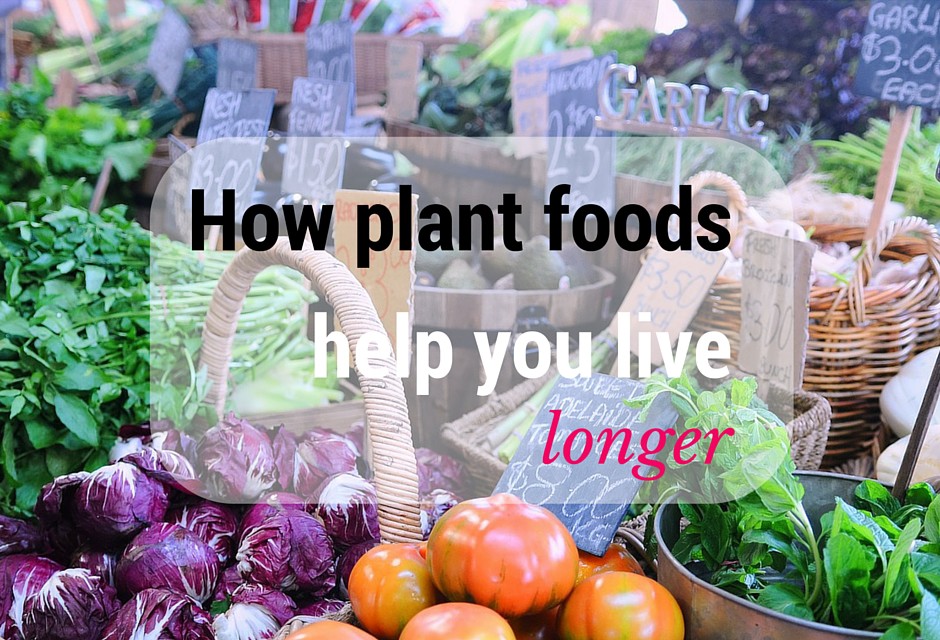
How plant foods help you live longer

What is our biggest killer?

What is the biggest killer in our society? Is it suicide, substance abuse, violent attacks, or car accidents? These issues often receive major media coverage and sympathy, and rightly so. However they don’t kill the most people.

If we look at English-speaking countries like the country I live in, Australia, the largest single cause of death is the same – heart disease, or cardiovascular disease (CVD).

Consider these grim statistics:

Australia (data source: The Australian Heart Foundation):

  • Cardiovascular disease (CVD) is the leading cause of death in Australia, killing one Australian every 12 minutes, and claiming the lives of 45,600 Australians (31% of all deaths)
  • CVD prevents 1.4 million people from living a full life because of disability caused by the disease
  • Lower socio-economic groups, Aboriginal and Torres Strait Islander people and those living in remote areas had the highest rate of hospitalization and death resulting from CVD in Australia

United States (data source: Centers for Disease Control and Prevention):

  • About 600,000 people die of heart disease in the United States every year – 1 in every 4 deaths
  • Every year about 715,000 Americans have a heart attack
  • Coronary heart disease alone costs the United States $108.9 billion each year in health-related costs

United Kingdom (data source: British Heart Foundation):

  • Coronary heart disease is the UK’s biggest killer, causing almost 74,000 deaths each year – that’s about 200 people dying every day.
  • More than a quarter of the deaths from heart disease occur in people who are younger than 75 and experts say the majority are preventable
  • About 1 in 3 adults in England and Scotland have high blood pressure, and nearly half of them are not receiving treatment for this

Heart disease – a global disaster

It is not only affluent English-speaking countries that have high rates of heart disease though. According to the World Health Organization (WHO), heart disease is a global problem. Of the top 10 leading causes of death worldwide, the number 1 is – you guessed it – cardiovascular disease.

Interestingly, when you compare the leading cause of deaths for low income countries to that of middle income, and especially high income countries, heart disease is more prevalent with a higher income . For low-income countries, Ischaemic heart disease (a disease characterized by reduced blood supply to the heart) ranks at number 4, accounting for 6.1% of deaths. By contrast, for high-income countries, Ischaemic heart disease ranks at number 1, accounting for 15.6% of deaths. This implies a relationship between diet and lifestyle of wealthier countries contributing to an increase in heart disease. Which leads us to the key lifestyle factors to help prevent heart disease.

7 Tips To Help Prevent Heart Disease

  1. Smoking – if you haven’t already, quit now!
  2. Body weight – if you’re overweight, stop overeating and start eating healthfully!
  3. Diet – follow a heart-healthy diet (see below)
  4. Use of sodium – reduce your intake, avoid salty foods and condiments
  5. Exercise – start exercising for at least half an hour every day
  6. Alcohol – minimize or quit consumption
  7. Stress control – do something to reduce your stress

heart-665186_1280

Heart-healthy diet

A heart-healthy diet is low in saturated fat, cholesterol and trans-fats, low in salt & sugar, and high in fibre-rich whole-grains (such as oats and barley), unsalted nuts (such as almonds and walnuts), legumes, soy products, beans, vegetables and fruit. Use fats sparingly, and include those found in whole foods such as raw seeds, nuts and avocado.

Of the 63% of deaths worldwide due to chronic diseases and conditions in 2008, poor diets were a major contributory factor according to the World Health Organization.

The national or regional rates for main types of diseases such as certain cancers, cardiovascular disease, obesity, and diabetes type 2, are considerably lower where plant-based diets are more common, compared to areas where animal-based diets are more prevalent.

Why plant-based diets are good at preventing disease

Mounting medical evidence shows that a plant-based diet supports longevity and good health. A balanced, varied whole-food plant-based diet protects health because:

  • It’s high in fibre.
  • It provides adequate protein for growth and repair.
  • It’s high in antioxidants that are critical to neutralizing free radicals that cause aging and chronic disease, including cancer.
  • It’s high in vitamins and minerals.
  • It’s low insaturated fat that promotes heart disease.

Plant foods have a much lower concentration of calories than animal protein overall, which allows for more food volume without excessive weight gain.

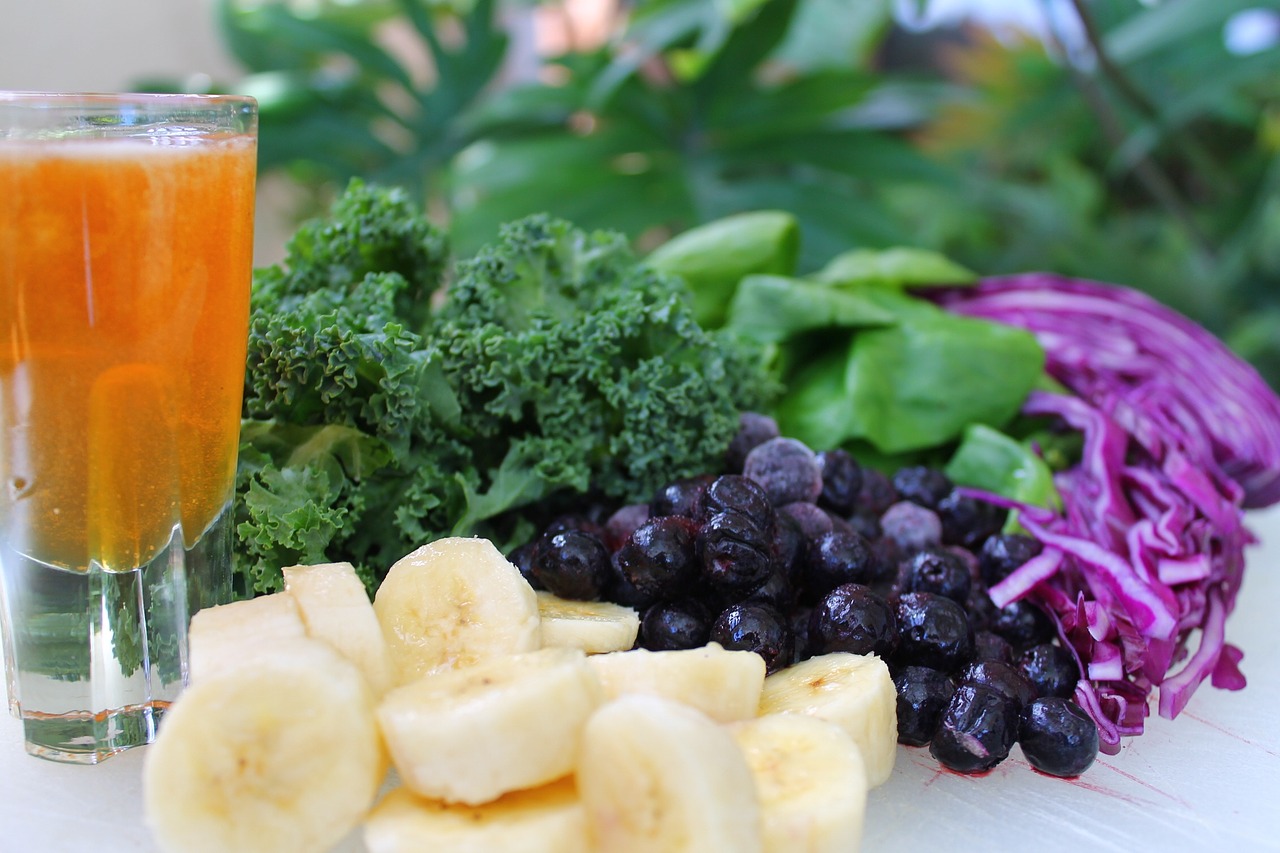
vegetable-755723_1280

Medical studies show the power of plant food

Numerous studies over the last few decades have shown that people whose diets include a large intake of plant foods tend to have a lower risk of chronic disease. The reasons are many.

  • Plant-based foods are naturally rich in antioxidants, which help eliminate free radicals that damage cells and cause chronic inflammation.
  • Some people have genetic predisposition towards disease, such as chromosome 9p21, which has been identified as a major predictor of heart disease.  Scientists from McMaster and McGill universities, both in Canada, have found that while people with this gene variant naturally have a higher risk of heart diseases; this risk is significantly reduced if they eat lots of raw vegetable and fruits.
  • Plant based diets can also protect against the formation of blood vessels that feed cancerous tumors (angiogenesis). The American Institute for Cancer Research (AICR), published a report in February 2011 explaining how many cancers can be delayed or even prevented through a balance of regular physical activity and a plant-based diet.
  • Dean Ornish’s research showed that eating a very low-fat, plant-based, vegetarian diet and other lifestyle changes could, in fact, reverse heart disease. Dr. Caldwell Esselstyn also succeeded in arresting and reversing heart disease in patients who were seriously ill.
  • The Adventist Health Study-2 found that vegetarians had a lower risk of Type 2 diabetes and high blood pressure. Eating red meat (beef, pork, and lamb) is associated with increased rates of cancer and heart disease.
  • The American Cancer Society recommends eating a healthy diet for the prevention of cancer “with an emphasis on plant foods.”
  • There is compelling new research indicating that eating meat causes the bacteria in the gastrointestinal tract to produce a compound that may increase the risk of atherosclerosis (clogged arteries).

monks-691514_1280

Study shows vegetarians live longer

A study published in the Journal of the American Medical Association (JAMA) shows that people who follow a vegetarian diet can enjoy an almost 12 per cent lower mortality rate than their meat loving counterparts.

Dr. Michael Orlich of the Loma Linda University Medical Center in California, the lead author of the study report, noted that vegetarian diets have clear beneficial effects in the prevention of chronic diseases and the improvement of longevity in humans.

More than 70,000 Seventh-Day Adventist participants were interviewed by researchers in this study. Those who identified as vegetarians were categorized included vegans (eating nothing but plant foods), lacto-ovo vegetarians (eating plant-foods as well as dairy products and eggs), and semi-vegetarians (eating mostly plant-foods but also some animal products like fish and poultry).

Over a six-year period researchers followed the study group to determine differences in mortality. They found that over a one year period five to six per 1,000 vegetarians had died compared to seven per 1,000 meat eaters. Importantly, this study yet again confirms that people who eat mostly plant-based foods are less likely to develop chronic diseases like heart disease, diabetes and certain forms of cancer.

“Vegetarian diets are associated with lower all-cause mortality and with some reductions in cause-specific mortality,” the authors concluded.

According to an article published in the Melbourne ‘Age’, nutritionist and health author Dr Rebecca Harwin says that the consumption of meat increases inflammation in the body and is the cause behind many of our modern day diseases.

“The chance of falling victim to one of our major killers such as cancer, cardiovascular disease and diabetes can be increased for meat eaters due to their exposure to hormonal disrupting toxins and potentially harmful bacteria,” she says. “Increased consumption of processed meats and fatty red meat can largely be to blame.”

On the flip side, the Age article continues, a vegetarian diet consisting of a variety of fruit and vegetables boosts valuable antioxidant levels; which assist in combating inflammation. Add to this a higher intake of complex carbohydrates, dietary fibre and other vitamins and minerals and it is easy to understand the results from this study.

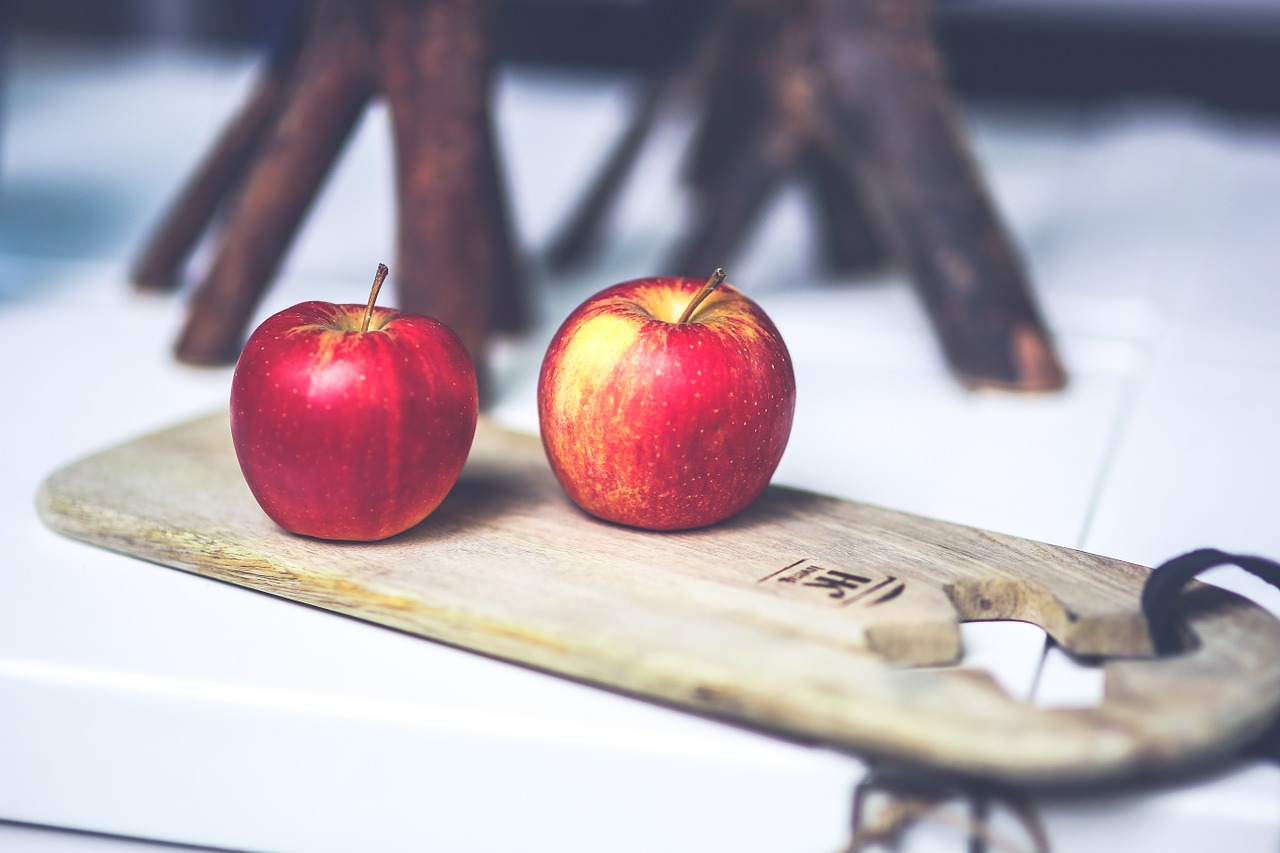
apple-791589_1280

Prevent cancer with diet

As Dr Joel Fuhrman advises, a hormone called IGF-1, (insulin-like growth factor 1) promotes the ageing process, and the growth, proliferation and spread of cancer cells. Elevated IGF-1 levels are linked to increased risk of several cancers. On the positive side, reduced IGF-1 in adulthood is associated with reduced oxidative stress, decreased inflammation, enhanced insulin sensitivity and longer lifespan.4

As Dr Fuhrman says:

“Since the primary dietary factor that determines IGF-1 levels is animal protein, the excessive meat, fowl, seafood, and dairy intake common in our society elevates circulating IGF-1. Refined carbohydrates, like white flour, white rice, and sugars can also raise IGF-1 levels, because they cause rapid increases in insulin levels, leading to increases in IGF-1 signalling.”

So what is a healthy diet to help prevent cancer? Well, it’s no surprise to me that it includes the following recommendations:

  • Eat lots of fruit and vegetables, soy, legumes, whole grains, beans
  • Maintain a healthy weight and lose excess fat if overweight
  • Exercise regularly – at least 30 minutes per day
  • Reduce consumption of red meat (such as beef, pork and lamb) and avoid processed meats.
  • Avoid or minimize alcohol consumption
  • Limit consumption of salt and salty foods
  • Avoid sugary drinks – drink water instead
  • Don’t use supplements to protect against cancer

Source: World Cancer Research Fund

Sound familiar? A healthy, varied plant-based diet, in conjunction with other positive lifestyle practices, is best to protect against both cancer and heart disease.

NOTE: *Please see your doctor for advice or treatment for cancer or any other illness.

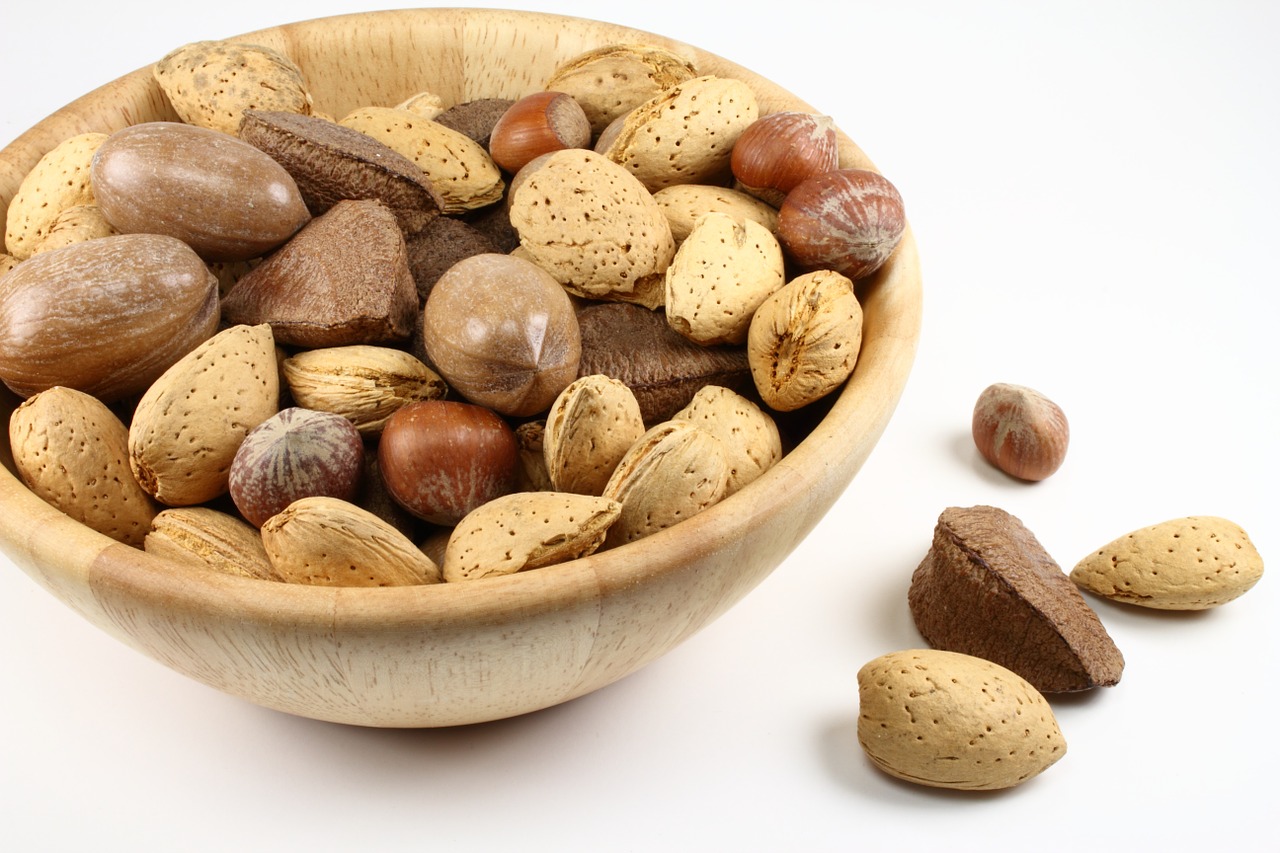
nuts-484262_1280

Nuts, vegetable protein and vegetable fat all help to lower cancer risk

I knew that there was a reason my 3 daughters (and son) love peanut butter and jam (jelly if you’re American) on toast!

A study published in Breast Cancer Research and Treatment in September 2013 shows that girls who ate peanut butter or nuts regularly from the ages of 9 to 15 were less likely to develop benign or non-cancerous breast disease by the time they were 30 years old.

Researchers from the Washington University School of Medicine and the Harvard Medical School followed over 9,000 American girls through their pre-teen and teen years to see if any had been diagnosed with benign breast disease (BBD); a risk factor for breast cancer. The researchers found that girls who ate peanut butter twice a week were 39 percent less likely to be diagnosed with BBD.

Leena Hilakivi-Clarke, a professor of oncology at Georgetown University, said that a number of earlier studies on diet and breast cancer risk have determined “that what a girl eats during childhood can have a permanent protective effect on her breast cancer risk later on.”

Researchers investigated whether vegetable protein and fat, derived from diets reported during pre-adolescence and adolescence, are associated with a lower risk for BBD in young women. This study found a lower risk for benign breast disease (BBD) is linked not just to peanut butter, but also to higher intakes of vegetable fat and nuts during high school. The greatest sources of vegetable fat and protein in these girls’ diets were peanut butter, peanuts, nuts, beans, lentils, soybeans, and corn. A daily serving of any one of these was associated with lower risk of contracting breast cancer.

“These findings suggest that peanut butter could help reduce the risk of breast cancer in women,” said senior author Graham Colditz, associate director for cancer prevention and control at Siteman Cancer Center at Barnes-Jewish Hospital and Washington University School of Medicine.

Eating nuts to lower cholesterol and risk of heart disease

It is no surprise that eating nuts also reduces the risk of coronary heart disease. Nuts have lots of protein, fiber, healthy monounsaturated fats, vitamins, nutrients, and antioxidants. And many studies have shown that nuts have powerful cholesterol-lowering effects.

According to a statement by the US FDA, “Eating a diet that includes one ounce of nuts daily can reduce your risk of heart disease.”

As long as you don’t have a nut allergy, raw, unsalted seeds, nuts and nut butters (in small quantities, eaten with healthy meals) should form a staple part of your heart-healthy diet.

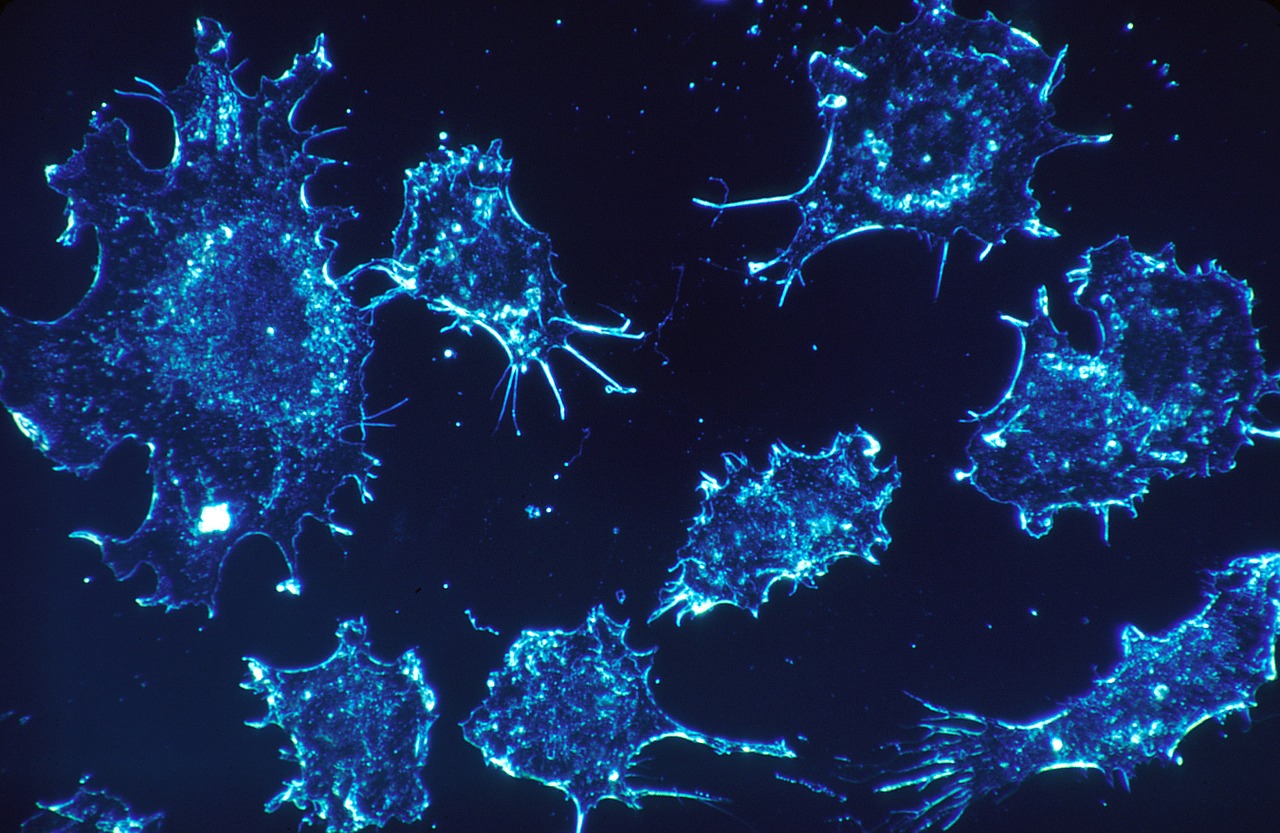
cancer-cells-541954_1280

6 ways to prevent cancer

Researchers with the Physicians Committee for Responsible Medicine recently published six dietary guidelines for cancer prevention in the Journal of the American College of Nutrition.

The six dietary recommendations to reduce risk of several types of cancer are:

  1. Limit or avoid dairy products to reduce risk of prostate cancer.

One glass of milk each day increases risk of prostate cancer by 10 percent. Consuming two glasses of milk each day increases risk of prostate cancer by 60 percent.

  1. Limit or avoid alcohol to reduce cancers of the mouth, pharynx, larynx, esophagus, colon and rectum, skin, and breast.

One drink per week increases risk of mouth, pharynx, and larynx cancers by 24 percent. Two to three drinks per day increase risk of colorectal cancer by 21 percent.

  1. Avoid red and processed meat to reduce risk of cancers of the colon and rectum.

Each 50-gram daily serving of processed meat, equivalent to two slices of bacon or one sausage link, increases risk of colorectal cancer by 21 percent.

  1. Avoid grilled, fried, and broiled meats to reduce risk of cancers of the colon, rectum, breast, prostate, kidney, and pancreas.

Certain heterocyclic amines (HCAs) are associated with cancer of the colon and rectum. HCAs form in cooked skeletal muscle, increasing with higher cooking times and higher temperatures. When ingested, HCAs can disrupt DNA synthesis.

  1. Consume natural soy products, such as edamame, to reduce risk of breast cancer.

A global study shows women who consume 11 grams of soy protein each day reduce risk for both premenopausal and postmenopausal breast cancer by about 30 percent.

  1. Eat a variety of fruits and vegetables to reduce several forms of cancer.

The fiber and phytochemicals available in fruits and vegetables, especially leafy greens, help reduce overall cancer risk—while a Western diet (high amounts of meat and fat with minimal amounts of fruits and vegetables) doubles the risk.

Thanks to PCRM for this list.

The point with following a plant-based diet is not just a longer life, but one marked by less obesity, less disease, and more enjoyment of all the things in life that are not just good, but good for you.

Tom Perry

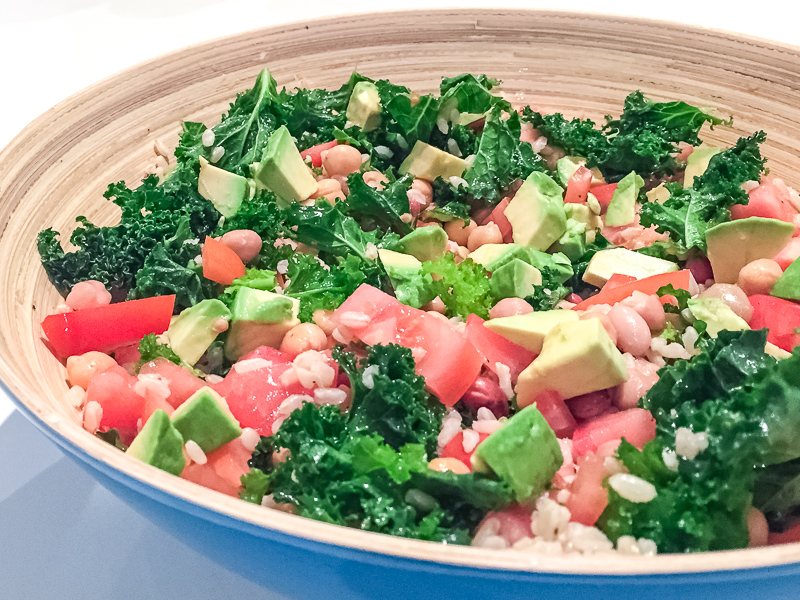
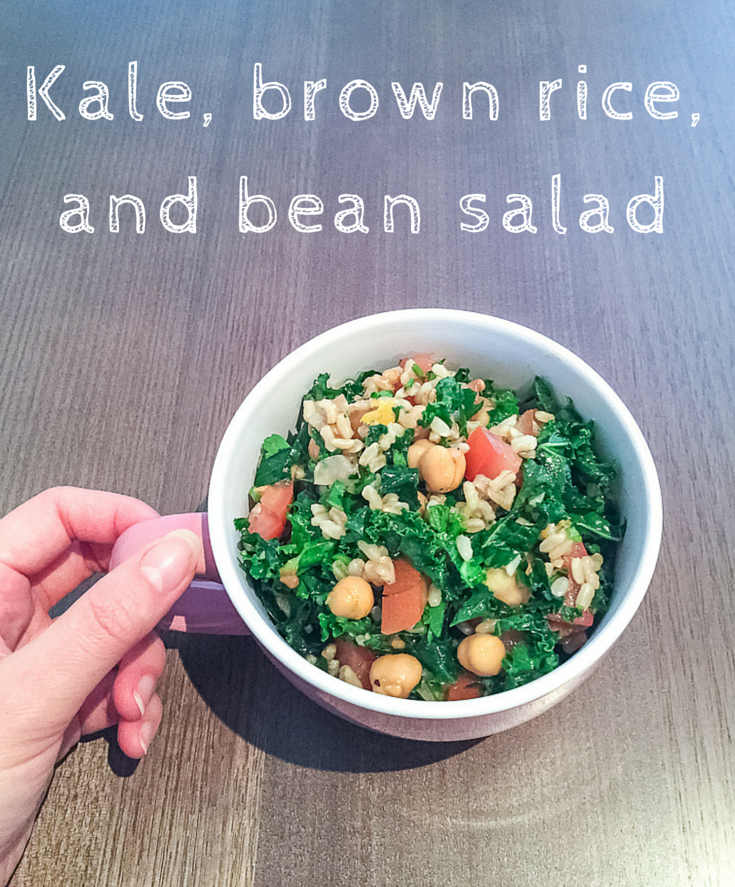
Kale, brown rice and bean salad

Kale Bean Salad-2

I like 15-minute meals. Some days, 15 minutes is all I have to prepare a meal. Other days, 15 minutes is all I’m willing to spend in the kitchen.

Last weekend was one of those times where, either I’d make something very quickly or we’d go out for lunch. I chose the former. This salad took me 15 minutes to make using kale, brown rice, and beans as the main ingredients. Since I had leftover cooked brown rice I didn’t need to cook the rice.  If you need to cook your rice, add about 30 minutes to your cooking time. You can buy instant pre-cooked brown rice from the supermarket or do what I do, make a large batch of rice in advance and then freeze them. They keep for about 3 months in the freezer and it takes about 2-3 minutes to defrost in the microwave.

Why I love this salad

This kale, brown rice and bean salad not only easy to make, but it is also nutritious, delicious, and satisfying. It’s very ‘hands on’: you start by ‘massaging’ kale with a bit of oil to break down the fibrous structure of kale, making it softer and more palatable (i.e. so it won’t taste like grass). Then you just add the remaining ingredients, toss around for a bit and voila, the meal is served.

Kale is rich in antioxidants, anti-inflammatory benefits, cancer-preventative compounds, cholesterol lowering properties, vitamins and minerals. It’s low in calories (a cup of fresh kale has only about 40 calories) and rich in insoluble fibre which is good for digestion. Beans are an excellent source of antioxidants, complex carbohydrates, and soluble fibres. They help maintain your blood sugar levels, keep you full for longer, and are a great source of plant-based protein. Nutritional medicine not your thing? Just eat this, your body will thank you.

Easy kale, rice, and bean salad


Kale, Brown Rice and Bean Salad
Recipe Type: Salad
Author: Keren
Prep time:
Total time:
Serves: 2
Ingredients
  • 1 can of 4 beans mix, rinsed and drained
  • 2 cups of cooked brown rice
  • 2 large tomatoes diced
  • 1 ripe avocado, flesh removed and diced
  • 3 cups of kale leaves, stem removed
  • Sea salt and freshly ground pepper
  • Juice from half lemon
  • 2 tbsp. of olive oil
Instructions
  1. Place shredded kale leave in a large bowl.
  2. Add 1 tbsp of olive oil and gently massage the kale with your hand (just like kneading bread dough) for about 2 minutes or until the leaves are softened.
  3. Add rice, beans, tomato and avocado into the bowl.
  4. Drizzle with olive oil and lemon juice. Gently toss to mix.
  5. Season with salt and pepper and serve.

Did you make this recipe?

Please let me know how it turned out for you! Leave a comment below and/or share a picture on Instagram and tag me so I can see you creation.

Love and greens, 

Keren x 

Review: Dr Fuhrman’s Weight Loss Starter Kit

Dr Joel Fuhrman is a best-selling author, board-certified physician, plant-based nutrition expert and creator of the Nutritarian way of eating and healthy weight loss. One of his popular products is The Weight Loss Starter Kit, which I have purchased and used myself.

The Weight Loss Starter Kit is a multimedia program. It consists of a suite of books and DVDs:

  1. The End of Dieting book (hardcover, signed by Joel Fuhrman)
  2. Nutritarian Planner & Journal (spiral-bound)
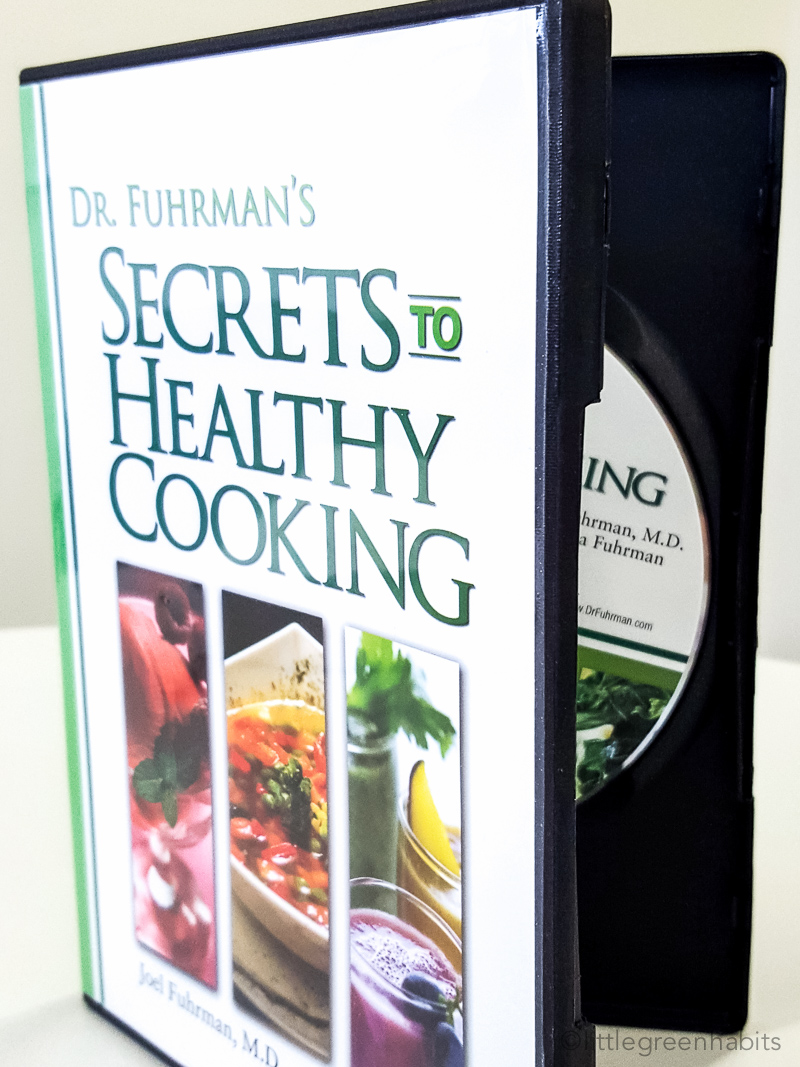
  3. Secrets to Healthy Cooking DVD
  4. Eating Like a Nutritarian DVD
  5. 1 FREE month of GoldPLUS Membership for new members

The program centres around nutrition and healthy eating and offers solutions to people who are:

  1. Trying to lose weight and keep it off
  2. Hoping to get off the endless fad diet money-go-round that never seems to achieve lasting results
  3. Looking for a weight loss solution that not only is sustainable, but will deliver excellent nutrition to help combat high cholesterol, diabetes, high blood pressure, and other common ailments

In this review I will summarise each of the component of Dr Fuhrman’s Weight Loss Starter Kit based on my own personal experience and break it down to help you understand how the program works.
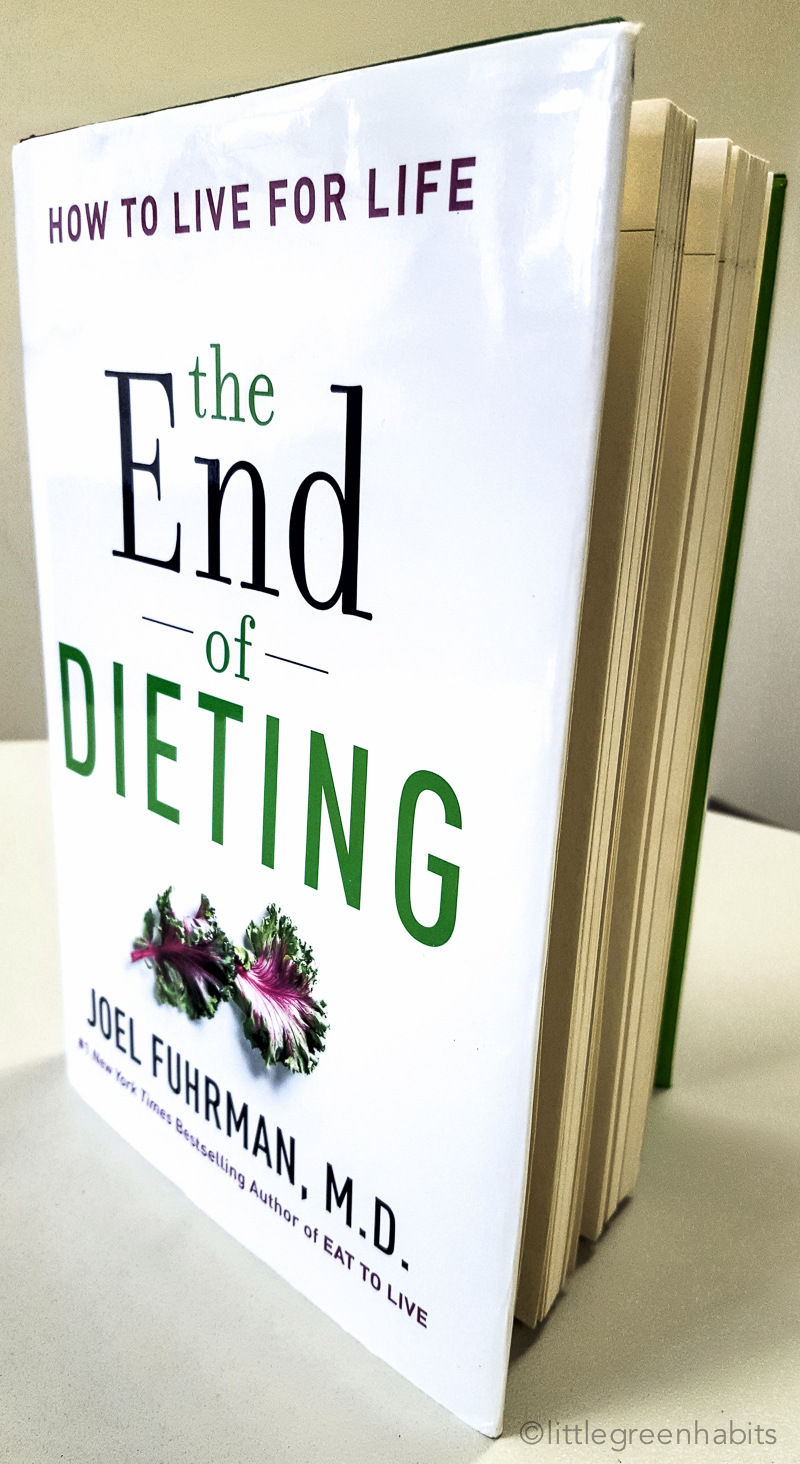
EndOfDietingSideView

Key Principles

Central to Dr Fuhrman’s philosophy, as explained in his other, highly-recommended and best-selling book The End of Dieting, is his simple health equation:

Health = Nutrients / Calories

In other words, your health is predicted by your nutrient intake divided by your calorie intake. This means that you are advised to consume foods that have the highest nutrient value, with the lowest calories available. Essentially, this means natural high-fibre low-calorie whole plant foods.

A key part of Dr Fuhrman’s Weight Loss Starter Kit is The End of Dieting book. It shows how to break the cycle of endless fad or restrictive diets, and protect yourself with all the dietary and nutritional advice you need. In The End of Dieting Dr Fuhrman catalogues many case studies where people have broken free of their food addictions, dramatically improved chronic health conditions, and lost huge amounts of weight (from 50 to 100kg weight loss) and experienced transformations in their physical and mental health through embracing an exercise routine and a plant-based diet filled with vegetables, fruit, beans, whole grains, nuts and seeds.

EndOfDietingWeek1

The End of Dieting also explores a number of topical issues:

  1. The effects of ‘toxic hunger’ and food addictions, caused by eating unhealthy, low nutrient, addictive foods
  2. The Three Habits of Health – eating high-nutrient low-calorie foods, exercise and positive mindset.
  3. Debunking diet myths, including:
    • The Standard American Diet (SAD) which is centered on chicken, red meat, cheese, processed grains and sweets;
    • The Mediterranean Diet, with its over-emphasis on unhealthy olive oil and pasta;
    • The Paleo Diet (and all its high-protein-low-carb predecessors), which, as Dr Fuhrman says, leaves you “dead – like a caveman”;
    • The ‘Wheat Belly’, and various versions of calorie and portion-controlled diets.

Dr Fuhrman urges us to ditch all these diets. He calls for an end to fad diet extremism in all its forms, and instead focuses on health first, by maximizing consumption of crucial micronutrients, and weight second.

Dr Fuhrman’s key message is that in order to have a balanced diet, we should be eating lots of vegetables, especially green vegetables, fruits (including berries), beans, legumes, whole grains, mushrooms, seeds and nuts. His advice is to stop looking for diets and just eat as healthfully as possible.

G-BOMBS

To obtain the best possible concentration of healthy plant foods, Dr Fuhrman employs a simple acronym: G-BOMBS, which stands for:

  • Greens
  • Beans
  • Onions
  • Mushrooms
  • Berries and
  • Seeds & nuts

Dr Fuhrman promotes G-BOMBS as foods with the most powerful immune-boosting and anti-cancer effects, and raw salad vegetables to help you lose and control your weight. He goes deep into all the benefits of whole plant foods to support weight control and protection for chronic disease.

AchieveSuperiorHealthSideView

The Nutritarian Program

The Nutritarian program is designed to help you make a start on a wholefood plant-based diet-style.

According to Dr Fuhrman’s, the Nutritarian diet style “enables you to lose weight and keep it off permanently, without experiencing hunger or depriving yourself of food.”

Not only does counting calories and eating less not work for long-term weight loss, Dr Fuhrman explains, it isn’t supported by advances in nutritional science or clinical evidence. A low-calorie diet that is nutritionally unsound is doomed to fail because it “increases your cravings and hunger signals.”

Included in the book also a healthy eating plan, weekly meal ideas, and recipes.
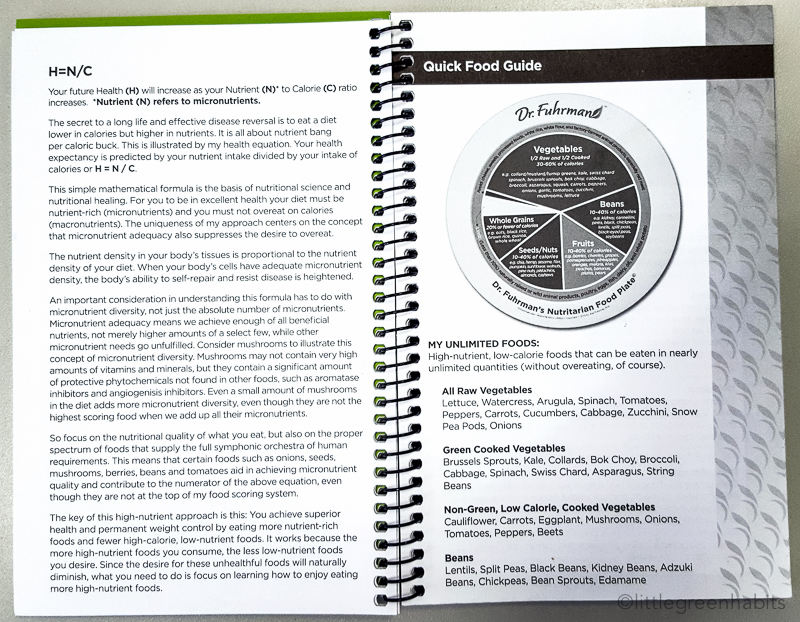
AchieveQuickFoodGuide

Rather than focusing on the foods you can’t eat, Dr Fuhrman inspires you to enjoy the kaleidoscope of plant foods that you can eat in abundance.

Six basic guidelines to Dr Furhman healthy eating plan

The plan in the End of Dieting is boiled down to six basic guidelines for everyday eating;

  1. Eat a large salad as your main dish
  2. Eat half a cup to a full cup of beans
  3. Eat one large serving of lightly steamed green vegetables
  4. Eat at least one ounce of raw nuts and seeds
  5. Eat mushrooms and onions, and
  6. Eat at least three fresh fruits a day

And if you find it too hard to remember, don’t worry – you don’t need to. Dr Fuhrman also provided an online daily checklist to help remind you of these guidelines. And to help you even further we have created a Quick Start Guide based on Dr Fuhrman’s guidelines (refer to the bottom of this post for more info).
SecretsOfHealthyCookingSideView

DVD guides

The two DVDs provide a visual demonstration on how you can implement the Nutritarian lifestyle and create delicious healthy meals.

Eating Like a Nutritarian

Recorded at Whole Foods Market (but could be set at any green grocers, organic store, or produce section of your local supermarket) Dr Fuhrman takes you through the high nutrient (plant) food aisles to show you what to buy and how to prepare all the super-foods that your body needs: vegetables, fruits, beans, whole grains, and the right fats and proteins.

Here, Dr Fuhrman also addresses the biggest dietary myths we have been told, ranging from misconceptions about olive oil to the truth about snacking. You’ll learn about the science behind why whole plant foods help you to burn fat and achieve optimum health, and why it’s important to limit, or avoid animal products in your diet.

Secrets to Healthy Cooking

This video features Dr Fuhrman and his wife, Lisa. They take you into their kitchen to demonstrate the techniques and principles behind preparing delicious super-plant-foods. You’ll learn how to prepare delicious high nutrient recipes, as well as Dr Fuhrman favourite recipes and his general formulas for making:

  • Salad Dressings & Dips
  • Soups & Stews
  • Main Dishes
  • Vegetable Smoothies
  • Ice Cream & Sorbets

As an added bonus, a recipe booklet also is included with this DVD to help you get started.

EatingLikeANutritarianOutsideView

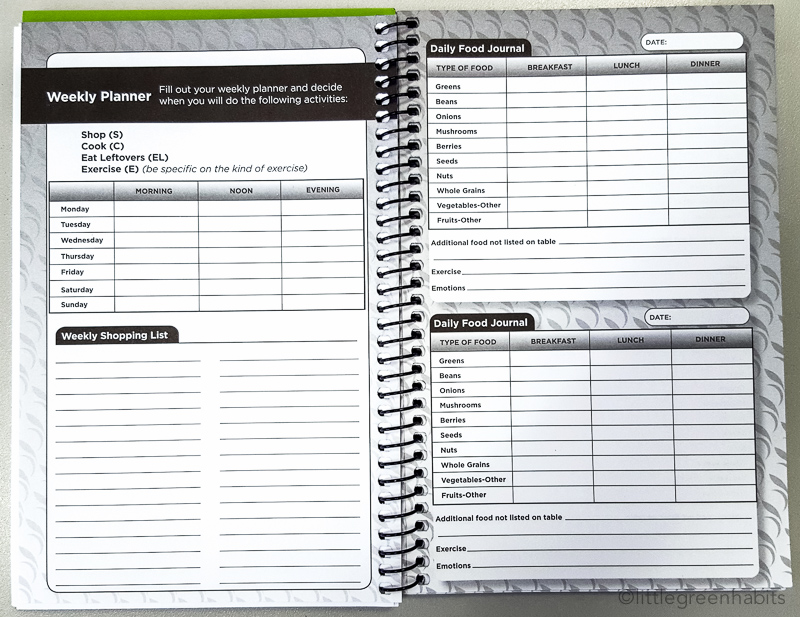
The Weight Loss Starter Kit also includes an attractive spiral-bound Nutritarian Planner and Journal.

The Nutritarian Planner & Journal encourages you to:

  • Keep track of your progress
  • Commit to your dietary and exercise goals
  • Document your feelings, both the triumphs and the difficulties

A daily journal is a useful tool to help you change your current diet and lifestyle. If you keep a food diary and record your health and weight loss goals, this will assist you to take control over your lifestyle choices.

If you buy the The Weight Loss Starter Kit you can choose this as a ‘stand-alone’ item, or you can elect to sign up (as I have done) for a monthly membership (for new members you’ll receive a free month’s Gold Plus membership). The benefits of being a member of Dr Fuhrman’s online community include:

  • Nutritarian recipes and menus – view, search and print over 1,500 recipes, rated and reviewed by other members
  • Recipe of the Day email – recipe suggestions delivered to you daily via email
  • Healthy Times Newsletters and Position papers – browse a library of previously published newsletters and papers on various topics in nutrition and science
  • The Health Tracker – an easy way to track your progress
  • Webinars and Teleconferences – access to an archive of recorded webinars and teleconferences on a variety of topics in science, nutrition, and health
AchieveWeeklyPlanner

The Downside

The downside of Dr Fuhrman’s Weight Loss Starter Kit is that it requires you to invest significant time and effort in reading, planning, and preparing for transitioning to a healthy plant-based diet. If you’re looking for a ‘quick-fix’ diet, like, say, the 5:2 diet, where you eat normally for 5 days and ‘fast’ for 2 days on only 500 calories a day, or a restrictive regime like Paleo diet, where you can’t eat dairy products, grains, or legumes, but eat lots of meat, you will be disappointed with Dr Fuhrman’s Nutritarian eating plan.

Although all the foods Dr Fuhrman promotes are plant-based, it is not strictly speaking a low-fat vegan diet, such as Dr Barnard’s 21-day Vegan Kickstart (which I have also done, bought and read the book, and personally endorse).

As Nutritarian, you don’t have to follow this 100% of the time – if you don’t want to. I eat healthy plant-based foods every day as a vegan, and I advocate this diet for optimal health, for animals, and the environment. If you want to incorporate a small quantity of animal products in your diet, that’s up to you. Obviously, though, the more you follow this diet the more likely you will see positive results. According to Dr Fuhrman, “at least 90% of calories” should come “from unrefined plant foods”.

What I think

By adopting and adapting Dr Fuhrman’s Nutritarian eating and weight loss plan I have experienced some weight loss (about 7-8 kilograms/15 pounds so far), and, most importantly to me, this has helped me to bring my cholesterol, triglyceride and blood pressure levels down from dangerously high to well-within safe levels.

I have a family history of vascular disease and stroke, and my doctor has diagnosed me with ‘familial hypercholesterolaemia’, which is a fancy term for a genetic predisposition to high cholesterol levels. Despite this, with medication and dietary changes to a healthy low-fat vegan ‘Nutritarian’ style diet, I have defied my genes and gone from a high-risk to low-risk of dying from heart disease. Not only do I feel lighter and fitter, I am less worried about being around to look after my family and kids as I grow older. Is that worth the US$57.91 for The Weight Loss Starter Kit? I say yes, every penny of it.

The Nutritarian diet style requires a lot of time, commitment and immersion into the program. This might put you off, but I can guarantee it’s worth it.

I don’t follow the Nutritarian guidelines 100% of the time, and occasionally I’ll consume a bit of refined or junk food, or even a glass of red wine (or two)! So don’t worry if you think you can’t follow this always: I don’t. I’m not perfect, and that’s fine. I still want you to enjoy life, but I also know that to see permanent improvements to your weight and health, you have to be prepared to make significant changes to your diet and lifestyle. This program provides a clear and comprehensive roadmap to achieving your weight and health goals for (potentially) the rest of your life.

If you really want to lose weight and keep it off, and improve your health at the same time, I highly recommend Dr Fuhrman’s weight loss program. It’s super comprehensive, educational and quite an investment for your future health and longevity.

Little Green Habits Readers’ Special Bonus Pack

We only promote products that we believe to have tremendous value and that we have used ourselves. I personally had a great experience with this program and I believe that it may help you too. To help you further along with your journey to healthy weight loss, when you purchase Dr Fuhrman’s Weight Loss Starter Kit through our special link (we earn a small commission on any orders made via our affiliate link, but this won’t cost you any extra), you will get a special bonus pack which consists of the following:
1.  Nutritarian Quick Start Guide

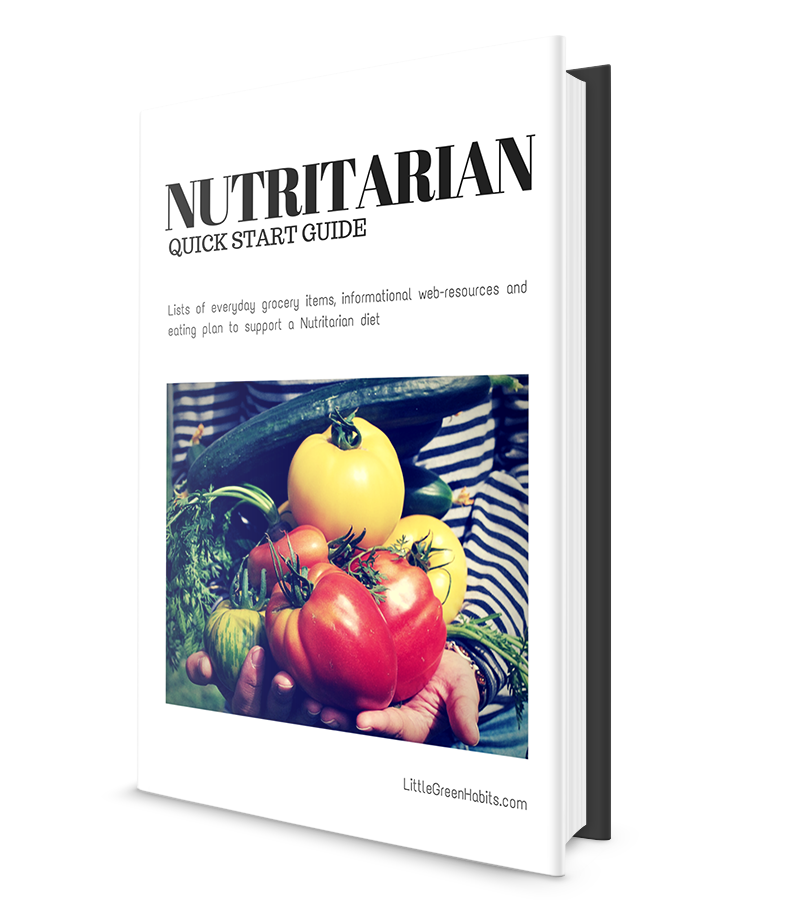
If you order Dr Furhman’s Weight Loss Starter Kit via Little Green Habits, you will receive, as an added bonus, a free 25-page Quick Start Guide on how to eat as a Nutritarian – including a shopping list, recipes, meal ideas, and several resource links to nutritional and health benefit information for a huge variety of plant foods.

2. Exclusive email Q&A session

Where you can ask me any questions about how I implemented the Nutritarian lifestyle, lost weight and lowered my cholesterol (I will respond to all emails on this subject for up to 3 months). (*Please note: I am not a medical health care professional and I advise anyone to seek appropriate medical advice before considering changing their diet, medication or exercise).

To get your Weight Loss Starter Kit, as well as your bonus FREE Nutritarian Quick Start Guide just click here and order yours today! Simply email me an electronic copy of your receipt, and I will reply with your Special Bonus Nutritarian Quick Start Guide PDF e-book and we can start planning for your Exclusive email Q&A session.

I hope you find this review useful. If you have any questions or comments about anything I mentioned here, feel free to leave a comment or reach me at: tom@littlegreenhabits.com.

To your health and happiness,

Tom Perry

7 Ways Whole Plant-Based Foods Help You Lose Weight Without Counting Calories

Most people who try to lose weight usually count calories and reduce portions. While this may work in the short term, it can be difficult, if not impossible, to sustain over time.

Can you really lose weight without counting calories? The answer is yes – if you eat the right foods.

Early this year, PCRM – Physician’s Committee for Responsible Medicine – published research showing that a healthy plant-based vegetarian diet helps you lose weight without counting calories.

This meta-analysis, conducted by PCRM, was published in the Journal of the Academy of Nutrition and Dietetics on Thursday, January 22, 2015. A total of 15 studies were reviewed, that were conducted with 755 participants in Finland, Norway, Poland, Spain, Sweden, and the United States. The studies, some short as four weeks, with others last as long as two years; showed an average weight loss of 10 pounds over a 44-week period.

Neal Barnard, M.D., lead author of the study, president of the Physicians Committee, and an adjunct associate professor of medicine at the George Washington University School of Medicine and Health Sciences, was quoted as saying:

“The take-home message is that a plant-based diet can help you lose weight without counting calories and without ramping up your exercise routine. We hope health care providers will take note and prescribe this approach to patients looking to manage their weight and health.”

Here’s the 7 ways whole plant-based diets work to help you lose weight without counting calories.

Green Nutrition News 25 Aug 15

1. The main ‘secret’ ingredient of whole plant based diets can be summed up in one important F word: FIBRE.

Or for those in the US – fiber. Fibre is a special type of carbohydrate found only in plants that cannot be digested by the body. It is naturally low in calories, yet it helps fill us up, and is critical in preventing or combating such conditions as high cholesterol, diabetes, obesity, cancer and heart disease.

2. Choosing whole plant foods means you avoid consuming foods made with white, refined flour and sugar, which tend to be calorie-dense but nutrient-poor.

This means consuming mostly whole vegetables (raw and cooked – especially dark leafy greens), whole fruit, beans, legumes, nuts, seeds, and whole grains, such as oats, brown rice and protein-rich quinoa. Avoid foods that are processed to the point where they lose most of their fibre and other micro-nutrients (such as fruit juice). Choosing whole plantbased food means choosing plant food that is in, or close to, its natural state.

3. If you eat mostly, or all whole, natural foods, you don’t have to worry about getting too much (or not enough) fat, carbs, or protein.

The beauty of healthy, whole plant foods is that they are balanced in all the very best nutrients, including vitamins, minerals, anti-oxidants and phyto-chemicals, and, (not to mention; again) fibre.

paprika-733571_1280

4. Whole plant foods are mostly low in fat, which has more than double the calories of protein or carbohydrates.

With the exceptions such as raw nuts, seeds, avocado and whole olives (not oil) which are healthy sources of  good fats, essential omega 3, omega 6 and protein. Several studies have also shown that eating small amounts of nuts helps with weight loss because the fibre and protein help you feel full longer.

5. Whole plants foods are naturally low in salt and sugar.

Even the natural sugar in fruit is of the low GI variety, as the fibre in whole fruit ensures as low release of the energy.

2014-12-09 14.26.42

6. Plant foods provide a kaleidoscope of colours, tastes, and textures that add interest, flavour and variety to food – without piling on the pounds!

Instead of mixing fatty, creamy sauces and dressings, or adding lots of butter, cheese or refined oils, you can utilise the vast range of natural herbs, seasonings and spices that add both zest and healthy nutrients to your dishes – without adding extra calories.

7. Whole plant foods are non-addictive and health-promoting.

Foods that are high in fat, salt and sugar (think cheese, pastries, sweets, fried food, processed meats) tend to over-stimulate our palate, and can lead to food addiction, or at least over-consumption. Fast, or ‘junk’ food is a prime example of this. Sugary white buns, fatty meats and cheese, rich sauces and condiments, ice cream, fried chips – all these type of foods are loaded with calories, are not very filling, and can have a devastating effect on our health.

diet-403588_1280

It turns out that the best diet to lose weight – and keep it off – is also the most protective against the main killer diseases that afflict so many people in our society; including cancer, heart disease, stroke, dementia, type 2 diabetes and obesity.

The answer to the question, ‘what is the best diet to enable you to have and maintain a healthy weight and body?’ is simple: whole-foods, plant-based.

Let me know in the comments what you think is the best eating plan for you, or if you have any questions.

Tom Perry
Be Kind To Animals Week And What It’s Like To Be A Young Vegan

“The greatness of a nation and its moral progress can be judged by the way it treats its animals.” Gandhi.

bekindtoanimalsweek

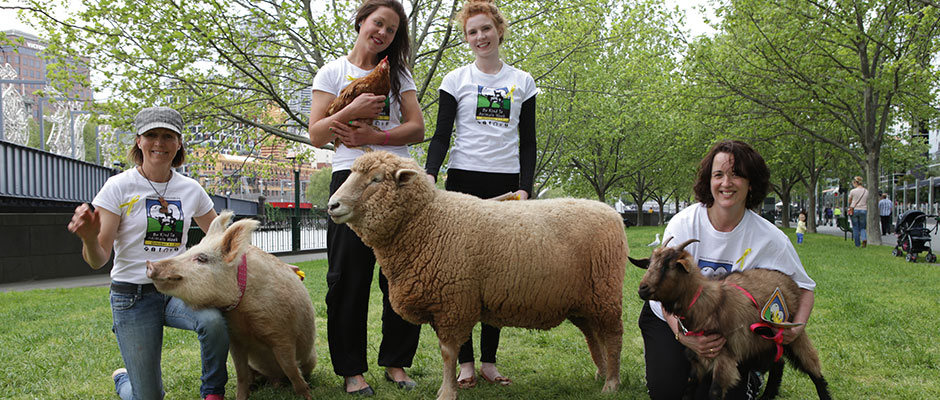
Image courtesy of bekindtoanimalsweek.org.au

Be Kind To Animals Week is happening in Australia this 1 October to 7 October 2015 which coincide with World Animal Day on October 4 as well as the Feast Day of St Francis of Assisi, the patron saint of animals.

This year, Be Kind to Animals Week is launched by Edgar’s Mission farm sanctuary and Think Kind Australia: a multi-award winning website for teachers and parents to find free quality educational resources to promote humane education. Be Kind to Animals Week school competition 2015 asks students to do one act that makes the lives of animals better. It’s about inspiring and empowering students to take positive action for animal welfare and protection – and it’s also a great chance to have fun, build essential critical thinking skills and understand the value of empathy, responsibility and active citizenship in our communities!

So for this month’s inspirational interview, I thought it would be fitting to introduce you to Danae, a young vegan who’s on a mission to make a world a kinder place for the animals.

Interview with the vegan scholar

Hi Danae, tell us a bit about you personally and your blog The Vegan Scholar?

Hi! Let me start by throwing you a HUGE thank-you for featuring me on your blog. My name is Danae (A.K.A. The Vegan Scholar), I live in Australia and I’m 20 years old.  My interests include reading, writing, film, gaming and animals!

This year I’ll be studying English & Journalism at University – a subject that’s always been a passion of mine. I was studying a different degree last year – 3D modelling and programming – but decided it wasn’t for me and transferred into this new course.

In order to gain experience in the industry and hone my writing skills, I decided to start a blog, but wasn’t exactly sure what to blog about. Eventually I decided on veganism, as it’s a topic I’m very passionate about. I use my blog to provide useful resources for vegans and potential vegans.

How long have you been vegan for and what made you choose to transition to a plant-based lifestyle?

I’ve been vegan since October 2012 and vegetarian since 2000. For as long as I can remember, I’ve loved animals. I could never, ever imagine doing anything to harm one. I grew up around animals and considered them my best friends.

When I was six years old, I watched “Lisa the Vegetarian” – a Simpsons’ episode where, as the title suggests, Lisa becomes a vegetarian (yes, The Simpsons can teach excellent moral messages)! The episode helped me realise where meat really came from – previously, I had no idea it came from animals. We had roast beef that night and although it was my favourite food at the time, I couldn’t bring myself to eat it. I distinctly remember covering the beef in tomato sauce, hoping that would make it easier to eat – but it looked just like blood. I made a quick decision and told my mum I didn’t want to eat meat anymore. Thankfully, she was supportive, and went vegetarian along with me.

As a vegetarian, I never understood veganism. I thought vegans were crazy, and that living without chocolate, cake and ice-cream would be the most difficult thing in the world. How naive I was! (FYI, I still eat plenty of chocolate, cake and ice-cream – just a much healthier, compassionate kind!)

One day,when I was extremely bored, my boyfriend and I were browsing YouTube videos about “How Stuff is Made”. It was then that I clicked on a video about meat production. I wanted to show my non-vegetarian boyfriend why I didn’t eat meat. In the end, the video affected me just as much as it affected him, as the video also included horrific footage of and information about the dairy and egg industries. After being exposed to that terrible truth, I knew I couldn’t contribute to it anymore. So I became vegan.

What was the biggest challenge you face as a young vegan advocating for animal rights?

The biggest challenge by far is dealing with non-vegans. I know very few vegans and vegetarians in real life. Most of my family and friends are meat-eaters. Whether you want it to or not, becoming vegan is going to change your perception of other people, and that can be difficult. It’s so hard to understand why my otherwise loving and caring family don’t seem to care about animal suffering. How can they ignore something that pains me to my soul?

I struggle to talk about my veganism in my daily life, because the mere mention of the phrase seems to ignite anger and hostility in other people. When friends and family ask me about my veganism, I don’t know what to say, because the chance of offending them is so high – and I have a strong aversion to conflict.

Do you have a role model, a source of inspiration or someone you look up to? Can you share this with us?

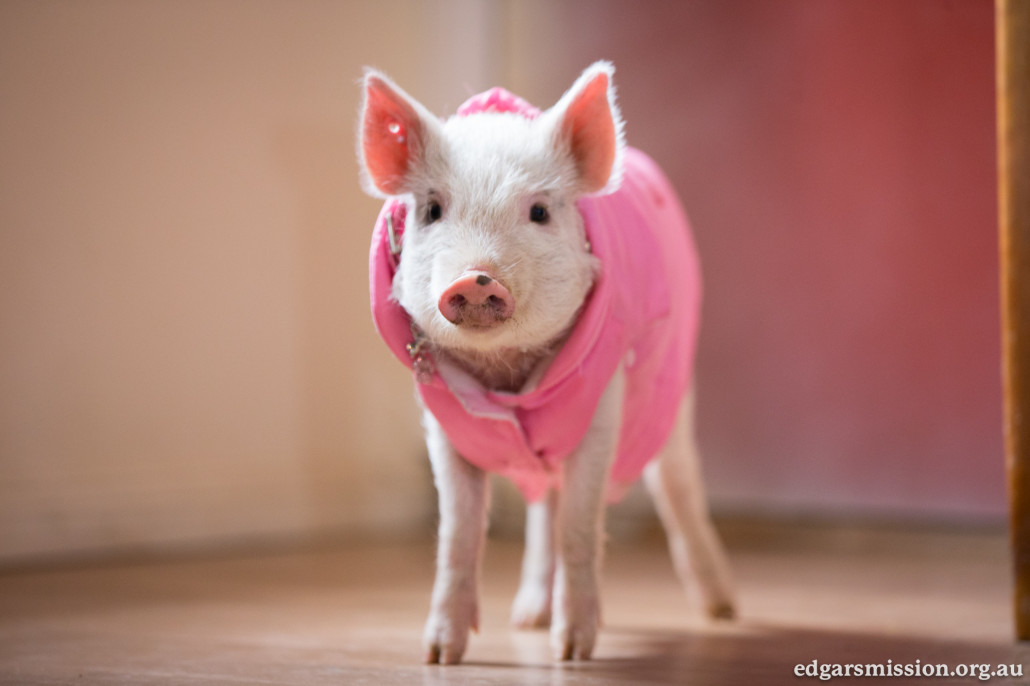
Anyone who makes an effort to fight for the animals is an inspiration to me – I must say, though, I am a HUGE fan of Vegan Sidekick’s comics and I love Esther the Wonder Pig and her family. I’m also inspired by the owners of C-A-L-F Animal Sanctuary. They struggle a great deal and yet always remain dedicated to their animal residents.

Do you have a favourite quote or mantra that you live by?

Yes! Two, in fact.

The first is a quote that Roald Dahl also lived by. He is one of my favourite authors and I have fond childhood members of reading his books. Here’s the quote:

“My candle burns at both ends, it will not last the night. But ah my foes, and oh my friends, it gives a lovely light.”

I take this to mean that we should make the most of life while it lasts.

The second is self-explanatory:

“If we could live happy and healthy lives without harming others, why wouldn’t we?” – Edgar’s Mission.

Around-The-farm-July-48

What are your 3 most favourite vegan foods?

A difficult choice… probably mixed seasonal vegetables and tofu with peanut satay sauce, the SFC (Soy Fried Chicken) burger from Zenhouse in Adelaide and homemade apple crumble! Not very healthy choices, I know – but all very delicious! :)

What exciting plans do you have for the future?

I hope to successfully complete my degree and eventually land myself in an enjoyable writing-related career. I want to be healthy and confident. I hope to live in a small house in the hills with my boyfriend and plenty of animals (ideally a few rescued farm animals). I also hope to have further success with my blog and to gain a little more motivation to keep posting regularly!

If you could give young vegans or aspiring vegans one parting piece of advice, what would it be?

At a time in your life when your friendships and relationships are all over the place, at least know that your strong morals and ethics will remain set in stone. Don’t let anyone try to change that. Be yourself, pamper yourself, and keep fighting for freedom and liberation.

Finally, tell us how can we learn more about you and your work? 

header3

My blog is available here: http://theveganscholar.blogspot.com

Facebook: https://www.facebook.com/theveganscholar

Twitter: https://twitter.com/theveganscholar

For any feedback or inquiries, please e-mail me at veganscholar@gmail.com :)

Thank you so much for this opportunity. I really enjoyed the interview. Vegan power!

one vegan

Be Kind to Animals Week invites your school to do one kind act for animals from 1 June to 10 October. The nationwide competition is about inspiring and empowering students to take positive action for animal welfare while having fun, building essential critical thinking skills, and understanding the value of empathy, responsibility and active citizenship in our communities.

To learn more – please visit ThinkKind.Org

Keren x

Losing Weight On Plantbased Diet

This week my top 5 nutrition news items includes a study that showed people on a vegetarian diet lost more weight than omnivores (vegans lost the most!); a recent case study of a doctor who lost 75 pounds (34 kg) simply by switching to a plant-based diet; research showing that healthy vegan diets can ease the pain and other symptoms of diabetes; further proof that plant-based vegetarian diets boost metabolism (independent of exercise), and evidence that phytates in pulses and beans protect against colon cancer.

Green Nutrition News Aug 17

Shed Pounds – Go Veg!

A recent study published online showed that people on a vegetarian diet overall lost more weight than people on an average American diet.

Vegetarian, or plant-based diets have been linked to a decreased risk of type-2 diabetes and coronary heart disease. Recent studies have also showed people can lose weight if they cut out meat.

Researchers affiliated with Harvard University T.H. Chan School of Public Health analysed published clinical trials that looked at the effects of vegetarian diets on weight loss.

The research team focused on lacto-ovo vegetarian diets that allow milk and eggs as well as vegan diets with no animal products, and compared them with non-vegetarian diets. Results of the meta-analysis, published in the Journal of General Internal Medicine, found that those on vegetarian diets lost around 4.4 pounds more than the control group, while those on a vegan diet lost 5.5 pounds.

More Fruit & Veg = Less Calories

One possible reason for the weight loss may be the large amount of fruit, vegetables and whole grains consumed by people on the vegetarian/vegan diets, and the fact the plant-based foods usually have fewer calories than animal-based foods, according to the researchers.

It has been established that whole plant foods like vegetables, fruit and beans have the highest density of nutrients and the lowest calories; not to mention plenty of zero-calorie fibre that helps fill you up without putting on weight. This meta-analysis is yet more proof of what we already know!

strawberries-254336_1280

How a family doctor lost 75 pounds without portion control

The Forks Over Knives website recently featured another ‘good-news’ plant-based diet story about a family doctor who rediscovered good health and learned how to get off the ‘weight-loss roller-coaster’.

This 6’2″ (188 cm) doctor, Dr Steve Lawenda, weighed up to 255 lbs (115 kg) at his peak, qualifying him as obese.

Steve only knew of 2 strategies for weight loss: eating less and/or exercising more. Steve found that eating less, namely calorie counting or portion control, repeatedly failed, leaving him hungry and craving more of his favorite foods.

Diets Don’t Work

He found that his weight continually fluctuated over years of intermittent portion control and periods of exercise. As Steve notes, he wasn’t alone following this familiar cycle. Statistics show that calorie-restricted diets fail 95% of the time. In other words, dieting doesn’t work!

Steve found out about the science and logic of a whole-foods, plant-based diet from the book Eat to Live by Dr. Joel Fuhrman; watching the inspirational Forks Over Knives documentary; and later reading books from Drs. Caldwell Esselstyn (Prevent and Reverse Heart Disease), T. Colin Campbell (The China Study), and John McDougall (The Starch Solution).

Eat More (Plants) – Weigh Less

For the first time Steve was aware of a weight-loss strategy that involved eating MORE of something (whole plant foods), not less, and where portion control and calorie counting were not only unnecessary, but discouraged.

Steve was amazed to realize that he could eat as much as he wanted, feel full every day, and yet see his weight drop at such a steady pace. As Steve puts it, this seemed to defy some law of physics; and it felt great!

The end result was that Steve lost 75 pounds (34 kg) with relative ease over eight months, and he has maintained this loss for over a year and a half. Steve now realizes that he wasn’t a failure; the food he was eating failed him.

Steve found that he enjoyed eating vegetables in soups and salads, and came to realize that many of his favorite cuisines, including Italian, Mexican, Chinese, and Thai, had many delicious plant-based dishes. Steve found he could make relatively simple modifications to favorite dishes that still preserved their taste and essence. He even found ways to continue enjoying ice cream and chocolate – with delicious whole-food, plant-based versions of these treats.

As Dr Steve says, “Not only does this lifestyle consistently improve the lives of those making the change, but it also has the potential, over time, to transform healthcare as we know it—reversing obesity and related chronic diseases, and reducing skyrocketing healthcare costs”.


Are Vegan Diets Effective Against Diabetes?

A May 2015 article on the Gazette Review reported on a small pilot study suggesting that switching to a plant-based diet helps ease diabetic neuropathy, which refers to nerve damage and pain caused by the effects of diabetes.

Over half of adults with type-2 diabetes may develop diabetic neuropathy, which occurs when your blood is not circulating normally and has high levels of glucose. This can lead to ulcers and all kinds of infections on the legs and feet, and is the leading cause of limb amputation for those who suffer from the disease.

In this study, featured in the journal Nutrition & Diabetes, and led by doctors and nutritionists at the Physicians Committee for Responsible Medicine (PCRM), researchers chose 17 overweight adults with diabetic neuropathy on a low-fat, high fibre vegan diet for 20 weeks. The group of adults attended nutrition classes every week and took a vitamin B12 supplement, a very important nutrient that is good for the nerves (I take a daily supplement with B12, and encourage other vegans to do the same).

Going Vegan Improves Diabetic Symptoms

The study participants were compared with 17 other adults, who received vitamin B12 but were not on the vegan diet. People on the plant-based diet said they felt better and had less pain. Tests done to these people also showed better blood circulation, improved nerve function, and ability to control their levels of glucose, which helped them to lower the dose of their medication. As an added bonus, the participants lost an average of 14 pounds.

A dietary intervention reduces the pain associated with diabetic neuropathy, apparently by improving insulin resistance” notes Neal Barnard, M.D., president of the Physicians Committee. “The same diet also improves body weight and reduces cholesterol and blood pressure.”

According to PCRM, 60% percent of diabetes patients suffer from peripheral neuropathy, which is associated with hypertension, obesity, gait disturbances, amputations, anxiety, depression, and reduced quality of life.

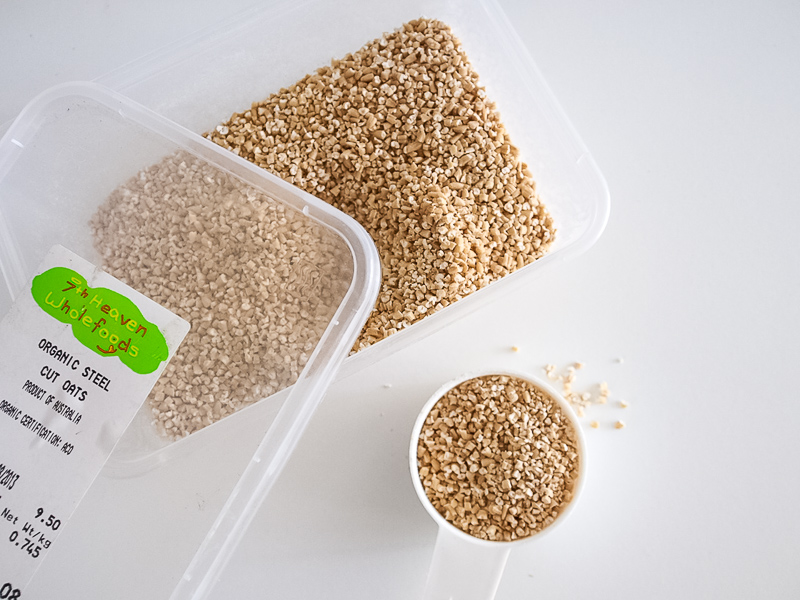
The dietary intervention is easy to prescribe and easy to follow,” says Cameron Wells, M.P.H., R.D., acting director of nutrition education for the Physicians Committee. “Steel-cut oats, leafy greens, and lentils are widely available at most food markets and fit well into most budgets.”

steelcut oats

Vegetarian Diets Increase Metabolism

According to a study published in Nutrients in July and reported on PCRM Breaking News online, vegetarian diets are associated with higher metabolic rates. A total of 24 vegetarian and 26 non-vegetarian participants had their diets; metabolic rates; biochemical analyses and inflammatory markers monitored.

Eat Plant-based and Boost your Metabolism by 16%

The study also showed that vegetarians lowered their cholesterol levels and had higher levels of anti-inflammatory cytokines compared with non-vegetarians, and complements other research that shows vegetarian/plant-based diets increase metabolism. Studies carried out by Dr Neal Barnard and the Physicians Committee, and detailed in the 21 Day Vegan Kickstart program, found a 16 percent increase in after-meal metabolism that lasts for about three hours after each meal.

Preventing Colon Cancer – is it Fibre or Phytates?

As Dr Michael Greger of Nutrition Facts advises, the most important environmental risk factor for cancer is diet.

Studies have highlighted the health-promoting plant-based substances known as phytonutrients, which have proven beneficial effects on certain cancers.

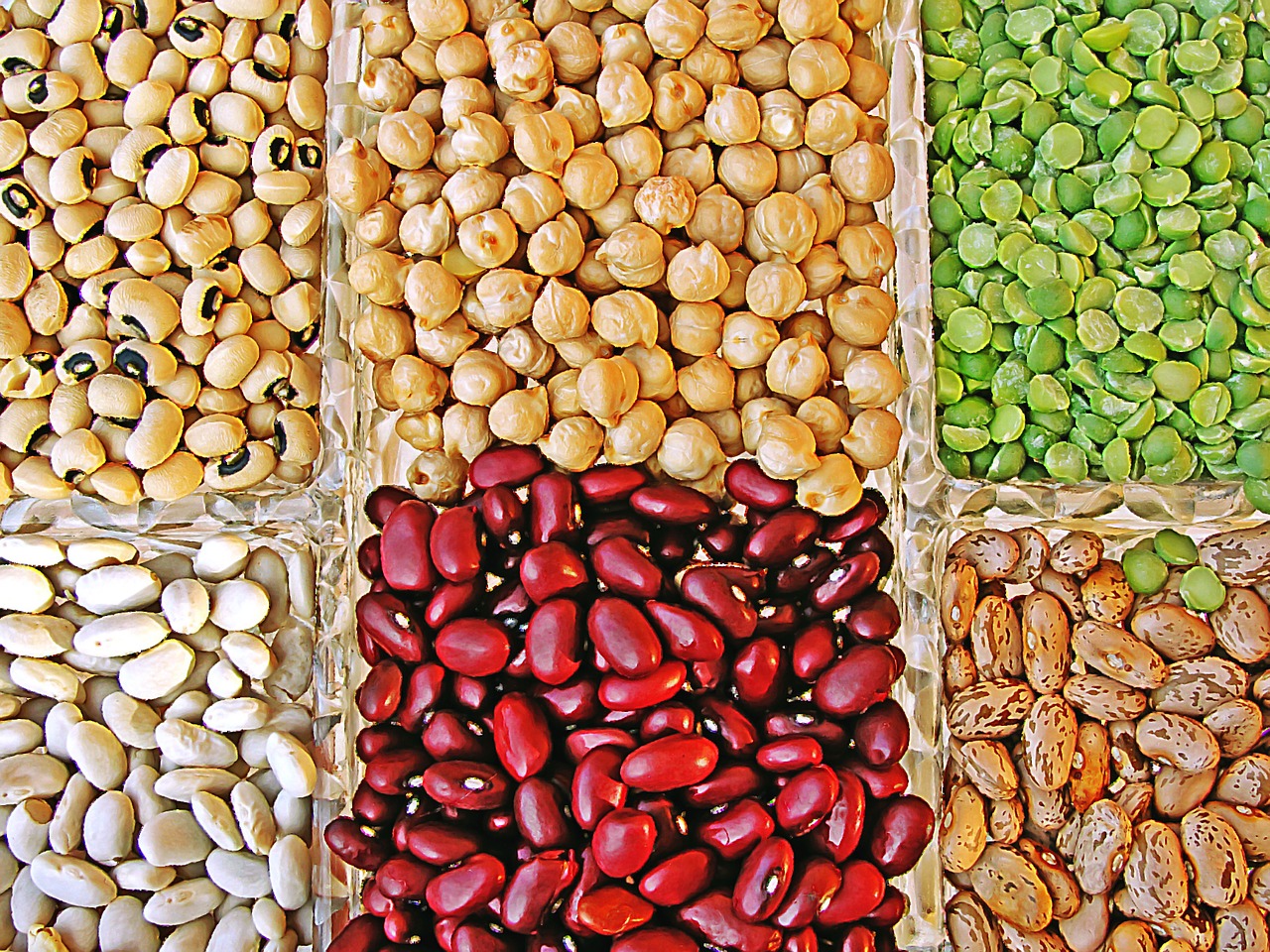
Pulses and beans, including chickpeas, split peas and lentils are packed with nutrients, but how do they protect against degenerative disease such as cancer? The reason may be due to non-nutritive compounds, or even so-called “antinutrient” compounds like phytates.

legumes-665788_1280

Fight Cancer with Phytates

Previously phytates have been criticized for binding to certain minerals like iron, zinc and manganese and slowing their absorption. However, this dietary feature of phytates may be more of a boon than a burden.

In the US and Australia colon, or bowel/colorectal cancer is the second leading cause of cancer death. This is not the case in parts of world where a predominantly whole-food plant-based diet is consumed.

The famous surgeon Denis Burkitt spent 24 years in Uganda and most of the hospitals he contacted there had never seen a case of colon cancer. Dr Burkitt thought that it was the fibre in the Ugandan’s whole plant foods diet that was so protective.

Some studies have since questioned Dr Burkitt’s theory. For example, Danes appear to have more colon cancer than Finns, yet Danes consume almost twice the dietary fibre.

An Adventist study highlighted in Dr Greger’s video Phytates for the Prevention of Cancer found “excess risk of cancer for higher intakes of both red meat and white meat, suggesting all meats contribute to colon cancer formation — about twice the risk for red meat eaters, and three times the risk for those eating chicken and fish”.

As Dr Greger explains, “phytate is known to be a powerful inhibitor of the iron-mediated production of hydroxyl radicals, a particularly dangerous type of free radical. So the standard American diet may be a double whammy, the heme iron in muscle meat plus the lack of phytate in refined plant foods to extinguish the iron radicals”.

People who eat meat can reduce their risk of colon cancer in two ways: by cutting down on meat; or by eating more beans, which are an excellent source of phytates. To improve your chance of avoiding colon cancer even further, why not do both?


Tom Perry
Vegan Vegetable Frittata

Vegan Frittata

Who says that you can’t make egg-free frittata?

But honestly, if you asked me a year ago if I could make frittata without eggs, I would have said, ‘hell, no!’

Vegan Frittata

Frittata, by definition, is an omelette – specifically an Italian-style omelette filled with various ingredients. And as we all know, you need eggs to make omelette.

Or do you?

Vegan Frittata

Fast forward to the present day. I’ve learned that you can make egg-free omelette. And since you can make egg-free omelette, you can make egg-free frittata. Hallelujah.

Vegan Frittata

To make a vegan frittata you need to use chickpea flour, vegetable starch (I use arrowroot powder but you can also use corn starch or potato starch), nutritional yeast, onion, garlic and mustard powder. All of these ingredients are very important for both texture and flavours so don’t skimp or omit any of them. The recipe yields a texture similar to that the normal frittata, but slightly softer and tender, somewhat like scrambled eggs (without the eggs, of course).

Vegan Frittata

Why I love it: 

It really reminds me of egg frittata! I served mine with Sriracha sauce (I’m a bit of a Sriracha addict) and garnished it with some fresh parsley leaves. The leaves add freshness to the dish, and also make the frittata look pretty and stylish on the plate. It didn’t take long before I made a huge mess of the plate, though.

This vegan vegetable frittata recipe uses no oil apart from greasing the baking dish so it’s perfect for those who are looking to eating more whole foods as part of a plant-based diet. It is full of protein so it’s just like eating real frittata (minus the cholesterol and saturated fat)

Vegan Frittata


Vegan Frittata
Recipe Type: Breakfast
Author: Keren
Prep time:
Cook time:
Total time:
Serves: 4-6
Ingredients
  • Omelette batter
  • 1 cup chickpea flour
  • 1 Tbsp arrowroot powder (or cornstarch)
  • 3 Tbsp nutritional yeast
  • 1/2 tsp salt
  • 1/2 tsp mustard powder, garlic powder
  • 1/2 tsp baking powder
  • 2 ½ cup vegetable stock
  • Fillings
  • 2 cups of chopped vegetables – I use:
  • ¼ cup chopped spring beans
  • ¼ cup diced red capsicum
  • ½ cup chopped asparagus
  • 1 cup shredded kale
  • Seasoning
  • ½ large red onion
  • 3 garlic cloves
  • A pinch of black salt or Kala Namak (optional but highly recommended)
  • Freshly ground pepper
  • [url href=”https://www.passionatelykeren.com.au/make-vegan-parmesan/” target=”_blank”]Vegan parmesan[/url]
Instructions
Cuisine Companion Method
  1. Preheat oven to 180 degrees C.
  2. Chop red onion and garlic cloves using superblade on speed 8 for 20 sec. Transfer into a plate, rinse the bowl and blade and wipe dry.
  3. Add all the dry chickpea batter ingredients into the bowl. Mix for 5 seconds on speed 8.
  4. Add the vegetable stock and cook using speed 5 at 100 C for 5 minutes
  5. The mixture should be thick.
  6. Add the chopped veggies to the batter. Mix at speed 8 for 10 -15 seconds until mixed through
  7. Transfer batter onto greased pyrex pan. Even it out with spatula.
  8. Bake for 25 minutes and then cover with aluminium foil and bake for another 25 minutes or until the centre is not jiggly and the edges are lightly brown. Depending on the type of your vegetables you use you might need more or less time for the batter to cook. Just prick the centre with a fork to test done-ness.
  9. Stand for 10-15 minutes to set.
  10. Sprinkle with a bit of black salt for an eggy flavour boost.
  11. Serve warm with some freshly ground pepper, [url href=”https://www.passionatelykeren.com.au/make-vegan-parmesan/” target=”_blank”]vegan parmesan[/url], and your favourite hot sauce.
Manual Method
  1. Preheat oven to 180 C.
  2. Heat oil in a pan over medium heat, cook onion and garlic until fragrant, about 3 minutes.
  3. Add vegetable stock. Bring to a boil.
  4. Add the chickpea flour, arrowroot powder and the remaining dry ingredients
  5. Cook for about 5 minutes until the mixture becomes thick. Stir in the chopped veggies and mix.
  6. Transfer batter onto greased Pyrex pan and flatten the surface with spatula.
  7. Bake for 25 minutes.
  8. Cover with aluminium foil and bake for another 25 minutes or until the center is not jiggly and the edges are lightly brown. Depending on the type of your vegetables you use you might need more or less time for the batter to cook.
  9. Prick the centre with a fork to test done-ness. Stand for 10-15 minutes to set.
  10. Serve warm with some freshly ground pepper, [url href=”https://www.passionatelykeren.com.au/make-vegan-parmesan/” target=”_blank”]vegan parmesan[/url], a sprinkle of black salt and your favourite hot sauce.
Notes
Freeze leftovers for up to 4 weeks.[br]Sprinkle with some black salt before serving for an ‘eggy boost’.

Did you make this recipe?

Please let me know how it turned out for you! Leave a comment below and/or share a picture and tag me @passionatelykeren on Instagram .

Love and greens,

Keren

The Secret Ingredient For Health And Weight Loss

Green Nutrition News 8 Aug

What if I told you that I had a secret food ingredient that is guaranteed to help you feel full for hours, aids in digestion, reduces your risk of diabetes, heart disease, cancer and high cholesterol, helps flush fat out of your system, adds texture to food, keeps you regular, and has ZERO calories? Would you want to get some of this? What would you be willing to pay for this magic supplement?

As it turns out, not only does this fantastic food component exist abundantly in nature, it costs you virtually NOTHING! So what is the big F-word for health and weight loss? The answer is simple: fibre (or, if you’re in the US, fiber).

According to research published in The Journal of Nutrition the ‘secret’, proven way to prevent weight gain or even encourage weight loss without dieting is, of course, to consume more fibre.

As reported in a recent ‘Eating Well’ article, researchers at Brigham Young University in Utah followed the eating habits of 252 middle-aged women for nearly two years and found that those who increased their fibre intake generally lost weight. Women who decreased the fibre in their diets gained weight.

The research scientists found that increasing fibre by 8 grams for every 1,000 calories consumed resulted in losing about 4½ pounds (2kg) over the course of the study.

While it helps you feel full, “fibre has no calories,” says Larry Tucker, Ph.D., lead researcher and professor in the Department of Exercise Sciences at Brigham Young.

Plantbased for weightloss

How much fibre should you eat?

The USDA recommends 14 grams of fibre for every 1,000 calories consumed by healthy adults. So a person eating 2,000 calories a day should aim to get at least 28 grams (or more) of fibre daily.

Most Australians do not consume enough fibre. On average, most Australians consume 20–25g of fibre daily, whereas the Australian Heart Foundation recommends that adults should aim to consume approximately 25–30g daily.

You could easily meet or exceed the recommended amount of daily fibre by eating the following healthy plant foods over the course of a day:

  • ½ cup oatmeal (3 grams fibre)
  • 1 small banana (3 grams)
  • ½ cup cooked red or black beans (7 grams)
  • 1 small apple (5 grams)
  • ½ cup lentils (8 grams)
  • and ½ cup blueberries (3 grams)

strawberries-498207_1280


Dangers of a low-fibre diet

Reducing the amount of fibre-rich, whole plant foods in your diet is dangerous to your health. Disorders that can arise from a low-fibre diet include:

  • Constipation
  • Irritable bowel syndrome
  • Diverticulitis
  • Haemorrhoids
  • Heart disease
  • Bowel cancer

Note that animal products have no fibre at all, so the more meat, dairy and eggs you consume, the less room in your diet for this important food component.

wheat-809441_1280

What is dietary fibre?

Dietary fibre is a type of complex carbohydrate made up of the indigestible parts or compounds of plants, which pass relatively unchanged through our stomach and intestines. Other terms for dietary fibre include ‘bulk’ and ‘roughage’, which can be misleading since some forms of fibre are water-soluble and aren’t bulky or rough at all.

Unlike other food components such as fats, proteins or carbohydrates that your body breaks down and absorbs, your body doesn’t digest fibre. Rather, fibre passes relatively intact through your stomach, small intestine, and colon, and out of your body.

Types of fibre

There are two categories of fibre, commonly classified as soluble (dissolves in water) or insoluble (doesn’t dissolve), and we need to eat both in our daily diets. They are:

  • Soluble fibre – includes pectins, gums and mucilage, which are found mainly in plant cells. This type of fibre dissolves in water to form a gel-like material. One of its major roles is to lower LDL (bad) cholesterol levels. Good sources of soluble fibre include fruits, vegetables, oat bran, barley, seed husks, flaxseed, psyllium, dried beans, citrus fruits, carrots, barley, lentils, peas, and soy products.
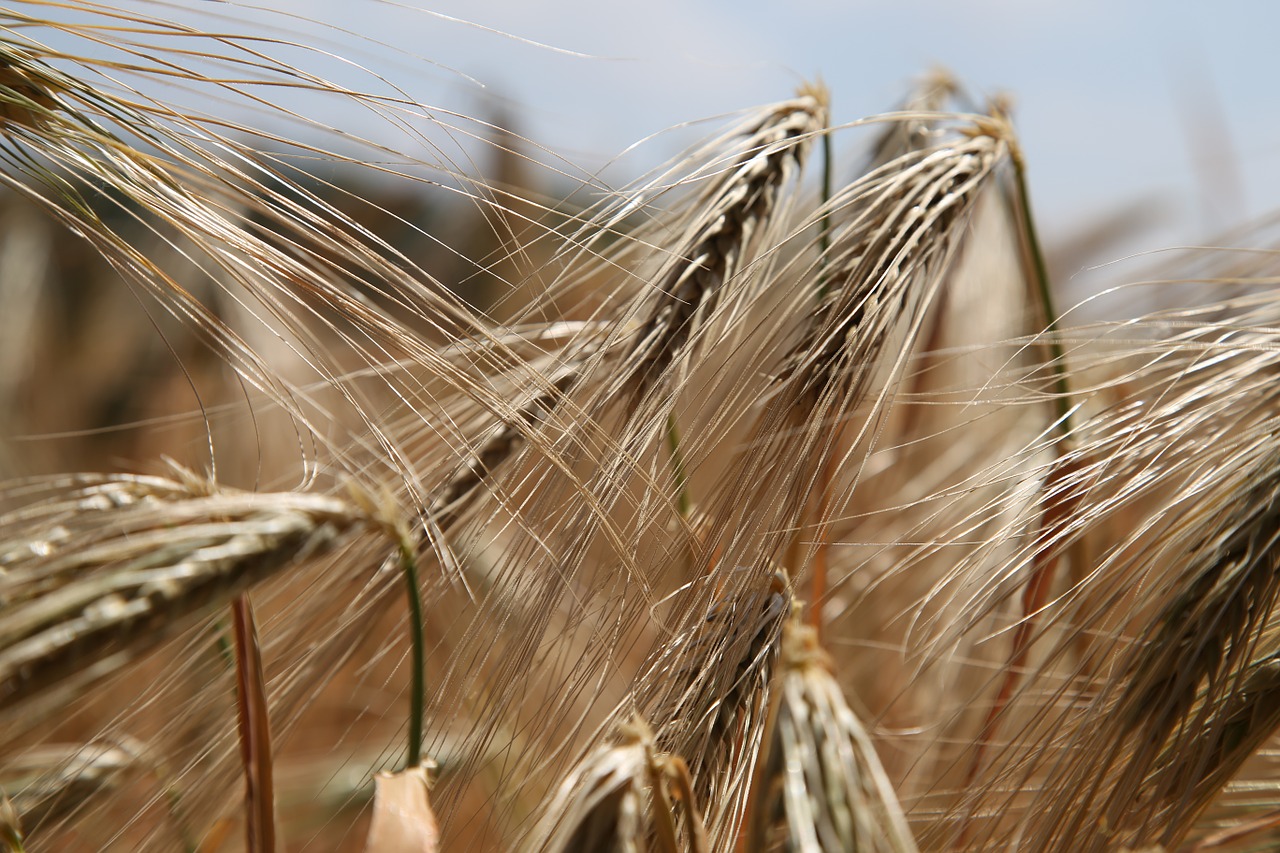
  • Insoluble fibre – includes cellulose, hemicelluloses and lignin, which make up the structural parts of plant cell walls. A major role of insoluble fibre is to add bulk to faeces and to prevent constipation and associated problems such as haemorrhoids. This type of fibre promotes the movement of waste material through your digestive system and increases stool bulk, which helps with constipation. Good sources include wheat bran, corn bran, rice bran, the skins of fruits and vegetables, nuts, seeds, dried beans and whole-grain foods.

organic apples

Health benefits of fibre

Both types of fibre are beneficial to the body and most plant foods contain a mixture of both types – soluble and insoluble fibre. However, the amount of each type varies in different plant foods. To receive the greatest health benefit, eat a wide variety of high-fibre (whole plant-based) foods.

Individuals with high intakes of dietary fibre appear to be at significantly lower risk for developing coronary heart disease, stroke, hypertension, diabetes, obesity, and certain gastrointestinal diseases. Increasing fibre intake lowers blood pressure and serum cholesterol levels. Increased intake of soluble fibre improves glycaemia and insulin sensitivity in non-diabetic and diabetic individuals.

Why fibre is important for healthy weight loss

  • High-fibre foods require more chewing time, which gives your body time to register when you’re no longer hungry, so you’re less likely to overeat.
  • A high-fibre diet tends to make meals feel larger and linger longer, so you stay full for a greater amount of time.
  • High-fibre diets also tend to be less “energy dense,” which means they have fewer calories for the same volume of food.

Your best food choices for fibre

Your best choices for fibre are healthy whole plant foods. These include:

  • Whole-grain foods
  • Fruits
  • Vegetables
  • Beans, peas and other legumes
  • Nuts and seeds

Remember, fibre is only found in abundance in relatively unprocessed, whole plant foods. Refined or processed foods such as canned fruits and vegetables, pulp-free juices, white breads and pastas, and non-whole-grain cereals are lower in fibre. The grain-refining process removes the outer coat (bran) from the grain, which lowers its fibre content, as does removing the skin from fruits and vegetables.

vegetables-760860_1280

6 Ways To Fit Fibre Into Your Food

  1. Bulk-up at breakfast. For breakfast choose a high-fibre breakfast cereal such as rolled oats or a whole-grain cereal. Or try baked beans on whole wheat toast
  2. Have the whole grain. Choose breads that list whole wheat, whole-wheat flour or another whole grain as the first ingredient on the label. Have brown rice, wild rice, barley, whole-wheat pasta and bulgur, instead of white rice and pasta.
  3. Vegify your mealsAdd fresh or frozen vegetables to soups and sauces. For example, mix chopped frozen broccoli into prepared spaghetti sauce or toss fresh baby carrots into stews.
  4. Love your legumesLentils, beans, and peas excellent sources of fibre. Use lentils and beans in curries, stews, salads, Mexican dishes and soups.
  5. Go fruityApples, bananas, oranges, pears and berries are all good sources of fibre.
  6. Plant-power snacks. Instead of cookies, cake or chocolate, snack on fresh fruits, raw vegetables, low-fat popcorn and whole-grain crackers. An occasional handful of nuts or dried fruits also is a healthy, high-fibre snack, although be aware that nuts and dried fruits are high in calories.

High-fibre foods are not only important to assist and sustain weight loss, but they’re good for your health. Be careful adding too much fibre to your meals at once, however, as this can lead to intestinal gas, abdominal bloating and cramping. Gradually increase your dietary fibre over a period of a few weeks. This allows the natural bacteria in your digestive system to adjust to the change.

Finally, drink plenty of water. Fibre works best when it absorbs water, making your stool soft and bulky.

Where Do You Get Your Fibre

Information sources:

Tom Perry

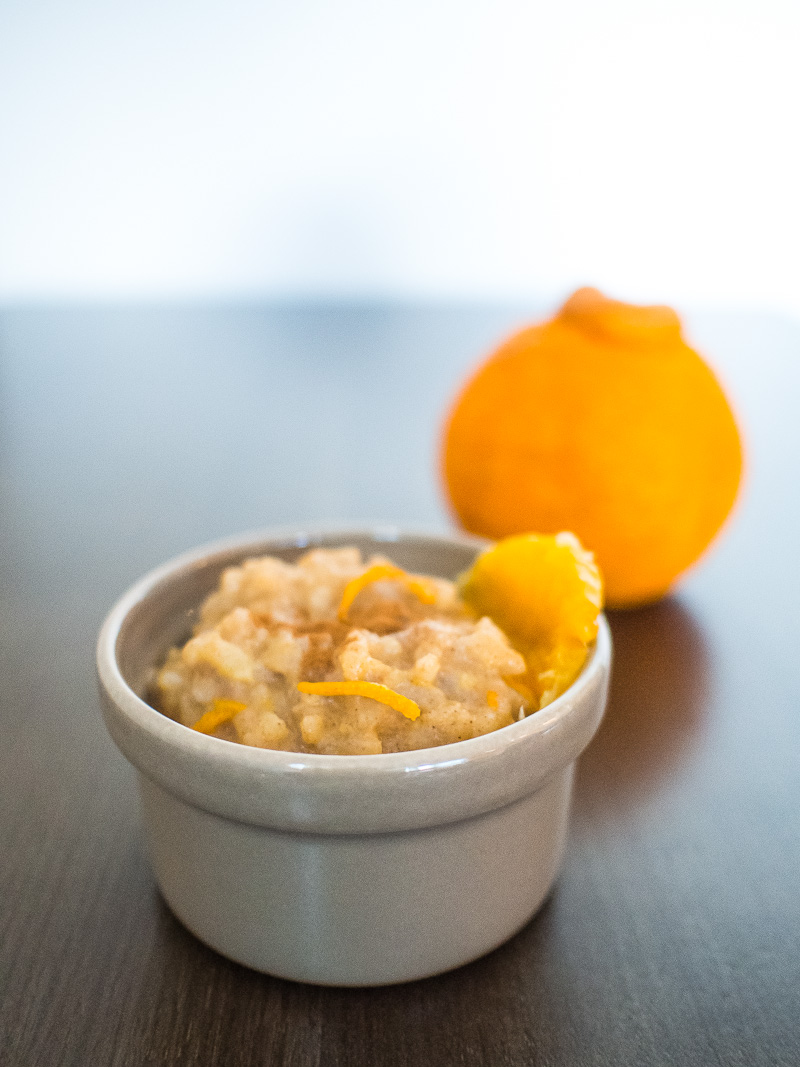
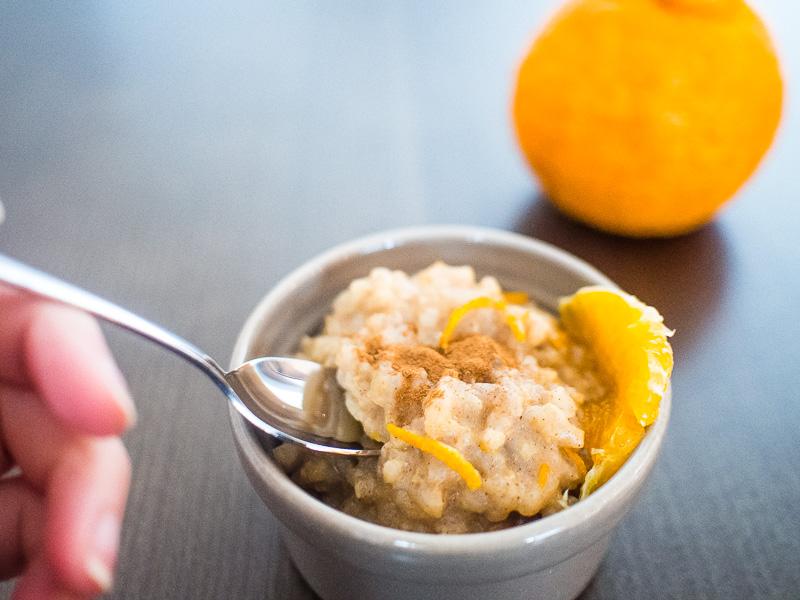
Sumo Citrus Spiced Rice Pudding (vegan and sugar-free)

Sumo Citrus Rice Pudding-2

This weekend I whipped up a super easy, super delicious and nutritious recipe and entered it into a competition. It’s my healthy, refined sugar-free and dairy-free take on the normal rice pudding. It is very simple and easy to make. Just need to cook your rice in a pan, make your smoothie and then stir your smoothie into the rice. Let it simmer until thick and creamy and voila! You have your rice pudding. Serve with a sprinkle of ground cinnamon and tell your partner it was such a hard work. It may score you a shoulder massage or two :P.

Why I love it:

What I love about most about this rice pudding is the fact that it’s rich and creamy but also light and refreshing at the same time. It has a gentle citrus tang and it smells like Christmas morning.

Made using walnut citrus smoothie it contains lot’s of omega-3 from walnut (great for the brain) and the goodness of one whole orange which is rich in fibre and Vitamin C and is a good source of minerals such as Thiamin, Folate and Potassium.

Sumo Citrus Rice Pudding-3

Make this. I promise you will love it.


Sumo Citrus Spiced Rice Pudding
Recipe Type: Dessert
Author: Keren
Prep time:
Cook time:
Total time:
Serves: 4
Creamy, nutty and fragrant rice pudding that is mildly sweet, citrusy and every bit delicious. It’s a rich and decadent dessert, easy to make, dairyfree and refined-sugar free.
Ingredients
  • 1 large Sumo Citrus
  • 1 cup arborio rice
  • a pinch of salt
  • 2 cups of filtered water
  • Walnut Sumo Citrus Smoothie
  • Sumo Citrus flesh
  • 2 cups of filtered water
  • ½ cup of walnut
  • ½ cup rice malt syrup
  • ½ tsp allspice powder
  • 2 tsp vanilla extract
  • 1 tsp ground cinnamon
Instructions
  1. Grate the zest of Sumo Citrus. Set aside. Remove the flesh for smoothie and reserve 2 strips of peel.
  2. Make Walnut Sumo Citrus Smoothie: In a blender, add all the smoothie ingredients. Blend for 1-2 minutes until smooth. Set aside.
  3. Combine 2 strips orange peel, 2 cups water, a pinch of salt in a heavy-based saucepan and bring to a boil.
  4. Add the rice and return to a boil, then reduce the heat to simmer and cook, stirring occasionally, until the liquid is absorbed, about 10-15 minutes.
  5. While the rice is cooking, slowly add the smoothie. Simmer over medium-low heat, stirring, until the liquid is mostly absorbed, about 15-20 minutes.
  6. Remove the peel and stir in zest. Serve immediately with a sprinkle of ground cinnamon.

If you want to help me win the competition, you can vote up my recipe and get me in the top 5. Let me know if you voted in the comment section so I can personally thank you. Thank you!

Vote For Little Green Habits!

Did you make this recipe?

Please let me know how it turned out for you! Leave a comment below and/or share a picture on Instagram with the hashtag #littlegreenhabits.

Love and greens, 

Keren x